
Most homeowners don’t start researching pests because they’re curious. They do it because something feels off — scratching in the attic, ants where they shouldn’t be, droppings in the garage, or damage that doesn’t make sense.
Spade Pest Control exists to help homeowners understand what’s really going on — and what actually works to fix it.
We’re not here to scare you, upsell you, or push products. We’re here to give clear, experience-backed guidance based on what happens in real homes, not textbook scenarios.
After more than 16 years working hands-on in pest control, we’ve seen how confusing and misleading pest advice can be. Homeowners are often told everything is urgent, dangerous, or requires expensive treatments — even when it doesn’t. That’s where Spade Pest Control is different.
Built on Real-World Experience — Not Sales
Spade Pest Control was created by professionals who have spent years inside attics, crawlspaces, basements, garages, and wall voids — diagnosing infestations where conditions are never perfect and solutions are rarely one-size-fits-all.
Our guidance is based on:
- What pests actually do in real homes
- What homeowners can realistically control themselves
- What professional treatments do and don’t solve
- Why infestations return — even after treatments
We believe homeowners deserve straight answers, even when those answers are inconvenient or don’t involve spraying chemicals.
What Makes Spade Pest Control Different
Most pest control websites are designed to sell services. Ours is designed to educate homeowners first.
Here’s how we’re different:
- Unbiased advice
We don’t sell treatments, subscriptions, or equipment. That allows us to explain options honestly — including when professional service may not be necessary. - Experience-based judgment
Our recommendations come from years of field work, not manufacturer instructions or theory alone. - Plain-language explanations
No jargon. No scare tactics. Just clear explanations you can understand and act on. - Focus on prevention and root causes
Killing pests without fixing the reason they showed up rarely works long-term. We explain the “why,” not just the “how.”
Who This Site Is For
Spade Pest Control is built for:
- Homeowners dealing with pests for the first time
- Homeowners frustrated by recurring infestations
- People who want to understand what’s happening before calling a company
- Anyone who wants honest answers without pressure
If you’re looking for hype, miracle cures, or instant fixes, this probably isn’t the right place. If you want clear guidance that respects your home and your budget, you’re in the right spot.
Our Approach to Pest Problems
Every pest problem follows the same basic pattern:
- Something attracts the pest
- The pest finds access
- Conditions allow it to stay
We focus on helping homeowners identify all three, because skipping any one of them usually leads to repeat problems.
You’ll find content on this site that explains:
- Why pests choose certain homes
- How infestations start without obvious signs
- What DIY methods work — and when they fail
- When professional help actually makes sense
No fear-based messaging. No exaggerated risks. Just practical problem-solving.
Why Homeowners Trust Spade Pest Control
Trust is earned through clarity and honesty, not promises.
Homeowners return to Spade Pest Control because:
- The advice matches what they’re seeing in their own homes
- The explanations make sense without oversimplifying
- The guidance doesn’t change based on selling something
Our goal isn’t to replace professional pest control services — it’s to help homeowners make better, more informed decisions about their homes. For more information you can contact us.
About the Author
Written by Ted Benedict — Pest Control Specialist with 18+ years of hands-on field experience helping homeowners solve real infestation problems.

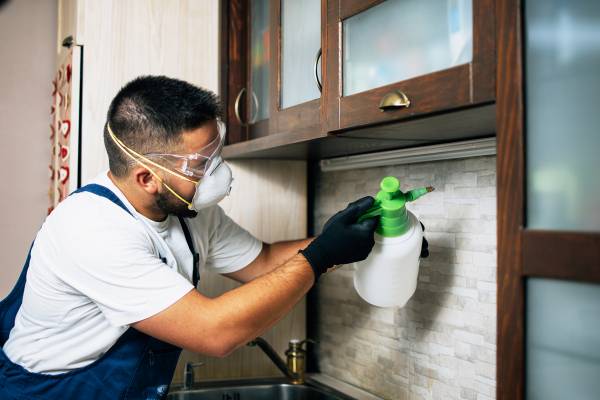
Ted has worked directly with homeowners across a wide range of pest issues, from minor nuisance problems to severe structural infestations. His focus has always been on long-term solutions, homeowner education, and practical prevention — not temporary fixes.