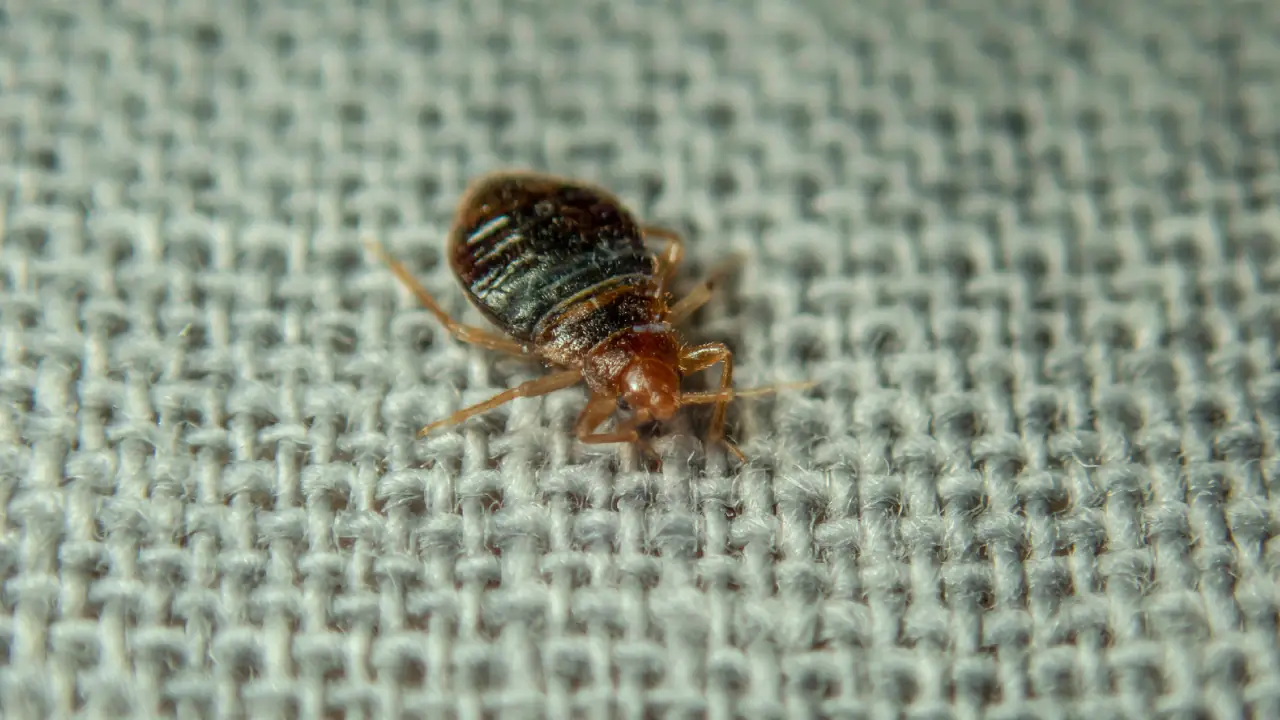
Imagine waking up with itchy red bites and wondering how it all began. One bed bug sighting can feel small and almost trivial at first. But by the time most people take real notice, those tiny insects have already multiplied far beyond what the eye can see.
Bed bugs don’t fly or jump, but they don’t have to. Their ability to crawl into cracks, hitch rides on clothing and luggage, and grow their numbers quickly is why infestations often explode before homeowners realize what’s happening.
In over 18 years of field work, I’ve seen how quickly a small, unnoticed introduction can turn into a full-home infestation.
It’s normal to ask, “How fast do bed bugs spread?” but few people get a straight answer that connects human behavior, bug biology, and realistic timelines.
In this article, I’ll walk you through the real science behind how bed bugs travel, how quickly they reproduce, and why the first few weeks after introduction are absolutely crucial. You’ll walk away with a clear picture of bed bug timelines, quick actionable tips, and a deeper understanding of why ignoring even a few bugs can turn into a months-long nightmare.
Also Read: Spadepestcontrol Blog
Bed bugs can begin spreading within days of entering a home. Eggs hatch in 6–10 days, young bugs begin feeding immediately, and noticeable population growth often occurs within 4–8 weeks. In many real-world cases, infestations spread to multiple rooms within 2–4 months if not addressed early.
How Easily Do Bed Bugs Transfer?
Bed bugs are extremely efficient hitchhikers and hide in places most homeowners never think to inspect. They don’t hop or fly, but what they do do well is latch onto fabrics, luggage, furniture, and even shoes. Their bodies are tiny and flat, perfect for slipping into seams, folds, and cracks — anywhere that gets moved around the home or transported elsewhere.

MGK Crossfire® Bed Bug Concentrate
Here’s a simple way to picture it: If you’ve been traveling or had guests stay over, every piece of clothing, backpack, or suitcase you bring in is like a highway into your house for bed bugs. That’s why the most common way bed bugs spread isn’t crawling — it’s hitchhiking on personal belongings.
Quick tip
When coming home from a trip, keep luggage off the bed and inspect it thoroughly. Unpack into a bare floor area you can vacuum immediately. This simple routine can dramatically cut down the chances of introducing bed bugs to your home.
How Fast Do Bed Bugs Spread?
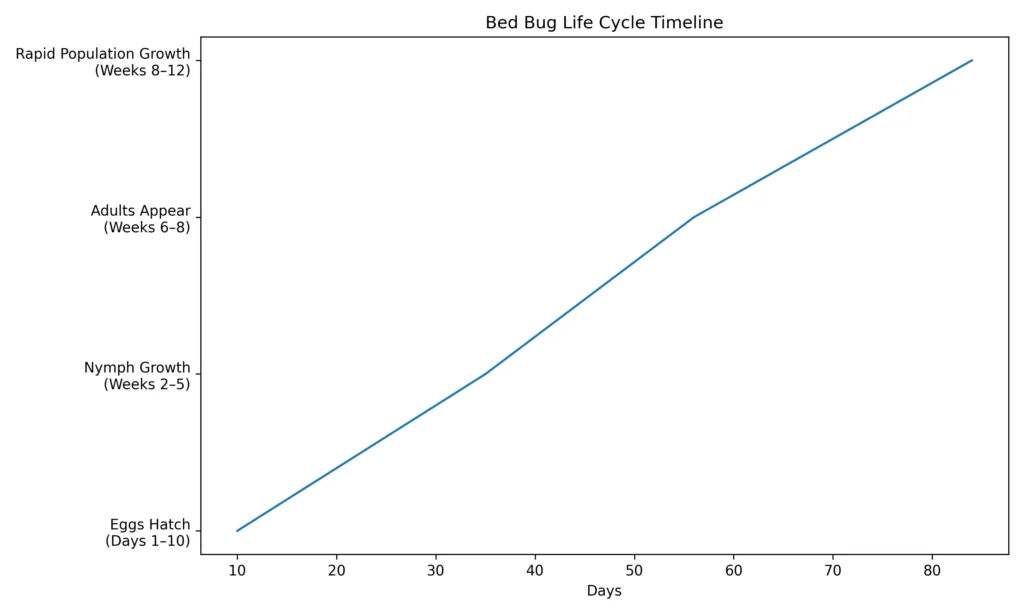
Once inside your space, bed bugs can spread much faster than most people think. They can crawl at speeds comparable to a human sprinting when scaled to their size — roughly three to four feet per minute. That means if a group of these insects is looking for a new hiding spot or human host, they can cover several feet of your room in a matter of minutes.
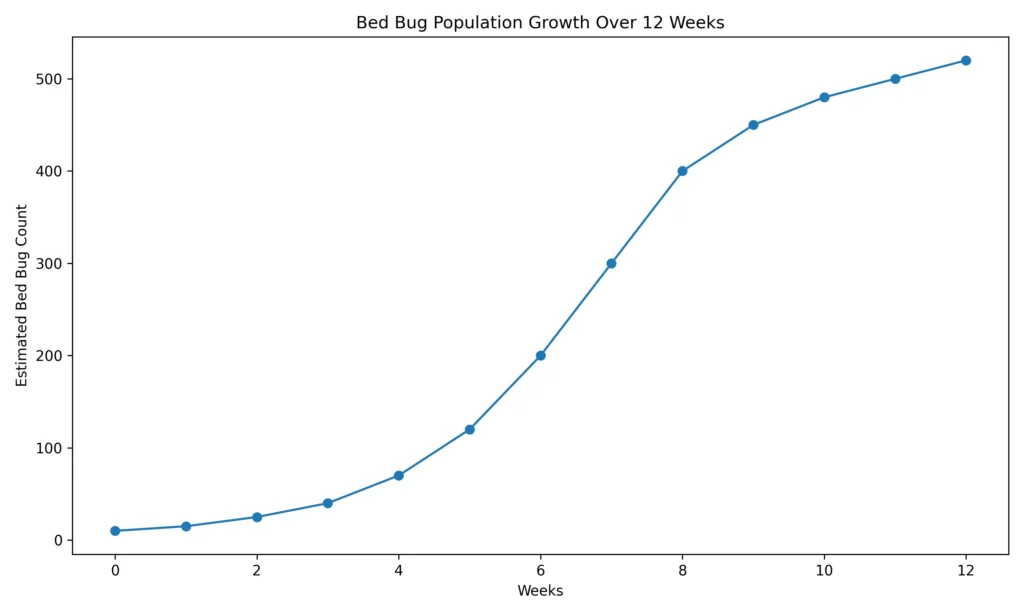
But the real growth factor comes from reproduction. Female bed bugs lay eggs continuously, with each laying between 1 and 5 eggs a day, and potentially hundreds throughout her life. Under ideal indoor conditions, those eggs hatch in as little as 6 to 10 days, and newborn bed bugs can become adults capable of laying more eggs in just 5–8 weeks.
Quick tip
Early detection matters. By the time you see signs — like fecal spots or blood smears — a population that started with fewer than 10 bugs could easily have turned into many hundreds within months.
Real-World Bed Bug Timeline: Day 1 to Month 6
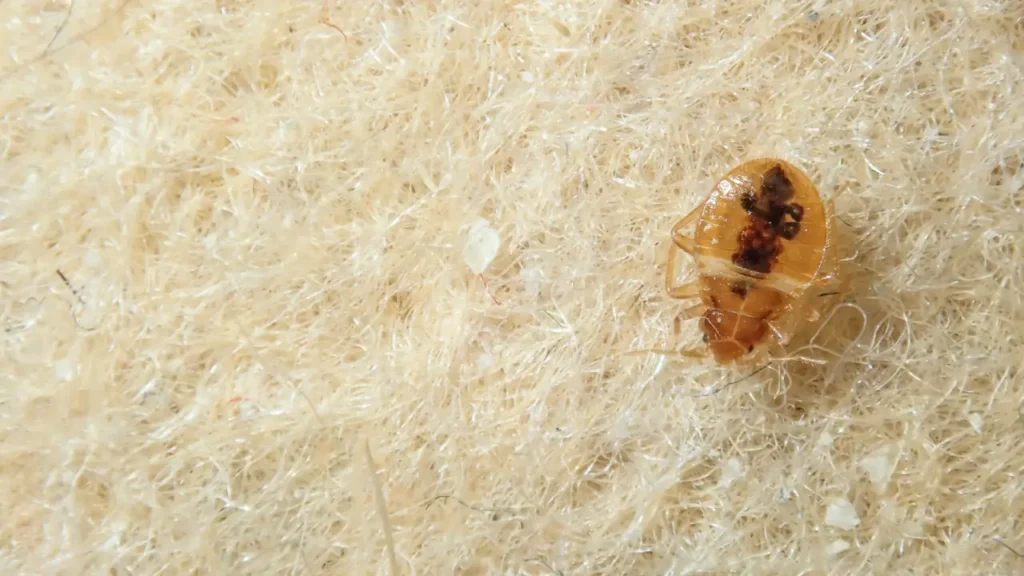
Here’s what I typically see in real homes when a single pregnant female or a small group is introduced.
Day 1–7: Introduction and First Feeding
A bed bug is brought home in luggage, a backpack, or used furniture. Within the first few nights, it feeds and settles into a crack near the bed. At this stage, there may be zero visible signs beyond a bite or two.
Week 2: Eggs Hatch
If the bug was already fertilized, eggs hatch in about 6–10 days. Now you don’t have one bug — you have a small cluster of hungry nymphs feeding regularly.
Weeks 4–6: Population Gains Momentum
The first generation is actively feeding. Some are maturing into reproductive adults. Homeowners may begin noticing bites more consistently, but visual confirmation is still rare.
Month 2–3: Spreading Beyond the Bed
This is when I often get service calls. By now, bugs may be in nightstands, baseboards, or nearby furniture. Numbers can easily reach 100+ if left unchecked.
Month 4–6: Multi-Room Infestation
At this stage, bed bugs may be in couches, other bedrooms, and wall voids. In apartments, they may begin migrating to adjacent units. Treatment becomes significantly more complex and expensive.
In apartments and attached housing, I often see this stage arrive even sooner. Shared walls, pipe chases, and electrical voids allow bed bugs to disperse faster than in detached homes. Once multiple rooms are involved, treatment becomes more labor-intensive and requires a much broader strategy.
Field Reality: Most homeowners don’t call for help until Month 2 or later — when the population has already multiplied dramatically.
How Fast Do Bed Bugs Spread from Room to Room?
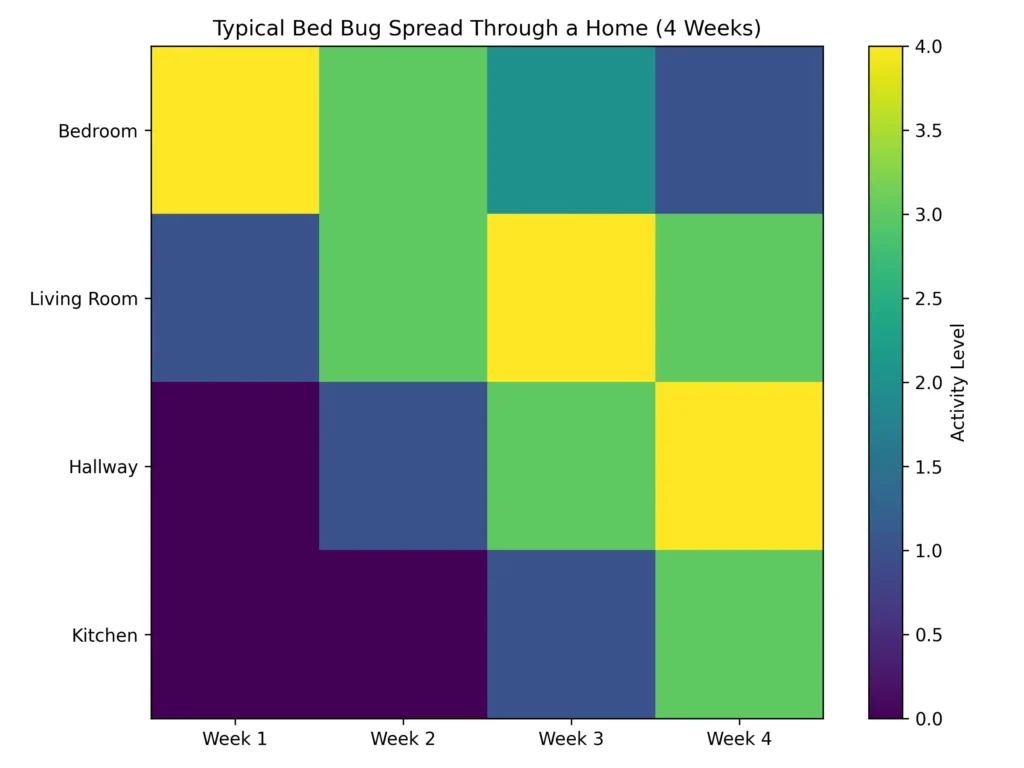
Understanding how bed bugs move inside a home is key. Here’s what makes them such effective spreaders:
In real homes, once an infestation establishes itself, you’re not just dealing with a few insects. Bed bugs have an uncanny ability to ultimately spread everywhere you live, from bedroom to living room and beyond, if unchecked.
Ways Bed Bugs Spread
1. Crawling On Their Own
You might think bugs crawl slowly, but at their scale, bed bugs can traverse a room quickly. Their flattened bodies allow them to squeeze through tiny cracks in baseboards, wall voids, and furniture seams. Because heat and CO₂ draw them toward hosts, they’ll actively seek out beds, sofas, and recliners at night.
Quick tip
Place interceptors under bed legs. These are small traps that catch bugs before they climb onto your mattress.
2. Transferring On Objects Within the Home
Objects moving from one room to another are one of the most underestimated spread vectors. Clothing piles, laundry baskets, and cluttered storage become highways for bed bugs.
Quick tip
Treat laundry immediately and vacuum and seal dirty clothes before moving them long distances around the house.
3. Hitching A Ride from the Outside
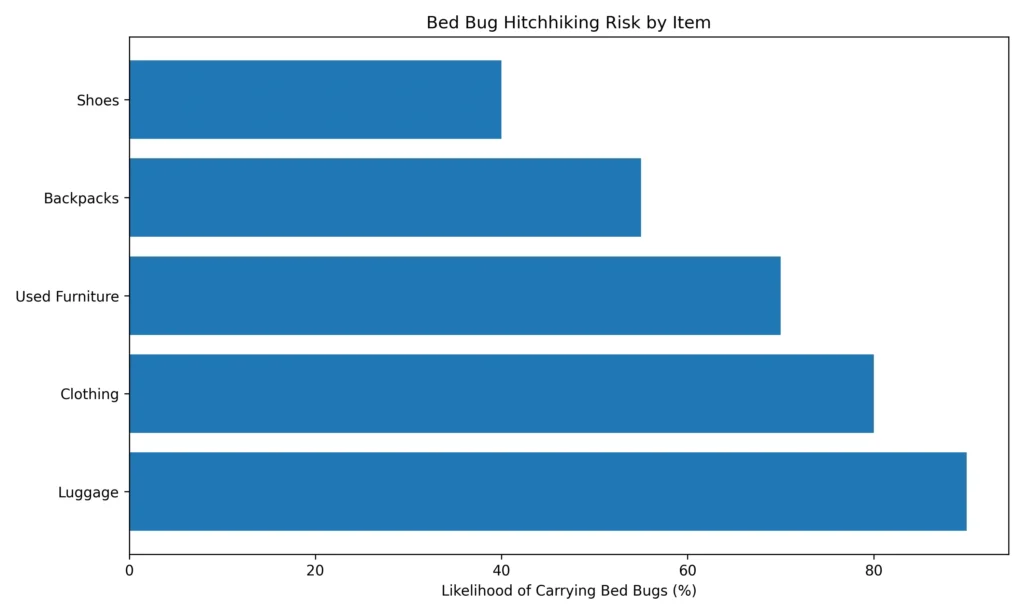
This is the biggest doorway for a new infestation. Hotels, public transport, luggage, second-hand furniture, backpacks — all of these are common sources of bed bugs arriving in your home.
Quick tip
When you travel, keep bags off furniture, inspect hotel beds and headboards, and consider washing travel clothes in the hot cycle as soon as you return.
What I See in the Field
I once inspected a home where a couple brought back a single suitcase from a weekend hotel stay. They noticed two bites the first week but assumed it was mosquitoes.
By the time they called — about three months later — we found activity in the master bedroom, guest room, and living room couch. There were well over 300 visible bugs during inspection, and likely more hidden in wall voids.
What made it worse? They had used over-the-counter foggers twice. Instead of solving the problem, the foggers pushed the bugs deeper into the walls and into new rooms.
In fact, most of the severe infestations I’ve handled started as just one overlooked travel introduction. The delay between first bites and first inspection is usually the deciding factor in how far the problem spreads. Bed bugs don’t explode overnight — but they absolutely multiply faster than people expect.
Common Mistakes That Make Bed Bugs Spread Faster
Also Read:
Safety and Treatment Cautions
- Avoid overusing insecticides. Mixing products or overapplying chemicals can create health risks for people and pets.
- Never combine chemicals with heat treatments unless directed by a licensed professional.
- In apartments or condos, notify management early. Delays can allow spread into shared walls.
- Avoid dragging infested furniture through common hallways — this can spread bugs to neighbors.
When in doubt, get a professional inspection early. Early-stage infestations are dramatically easier to eliminate than widespread ones.
Frequently Asked Questions
Conclusion: Why Speed Matters and What You Must Do
Bed bugs don’t move aggressively fast, but their reproduction cycle makes even slow spread dangerous over time. A small introduction in Week 1 can turn into a full-home infestation by Month 4 or 5 if ignored.
In my experience, the biggest difference between a minor issue and a major infestation isn’t luck — it’s speed of response. Early inspection, containment, and proper treatment stop the timeline from accelerating.
If you suspect bed bugs, don’t wait for “more signs.” By the time you see obvious evidence, they’ve likely been there longer than you think.
View Sources
- Terminix — How Fast Bed Bugs Spread
- Orkin — Bed Bug Biology & Behavior
- PestWorld – Bed Bug Spread Causes