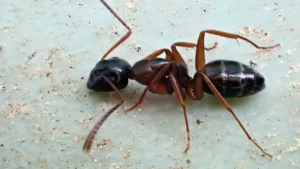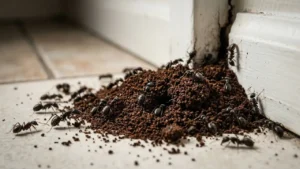
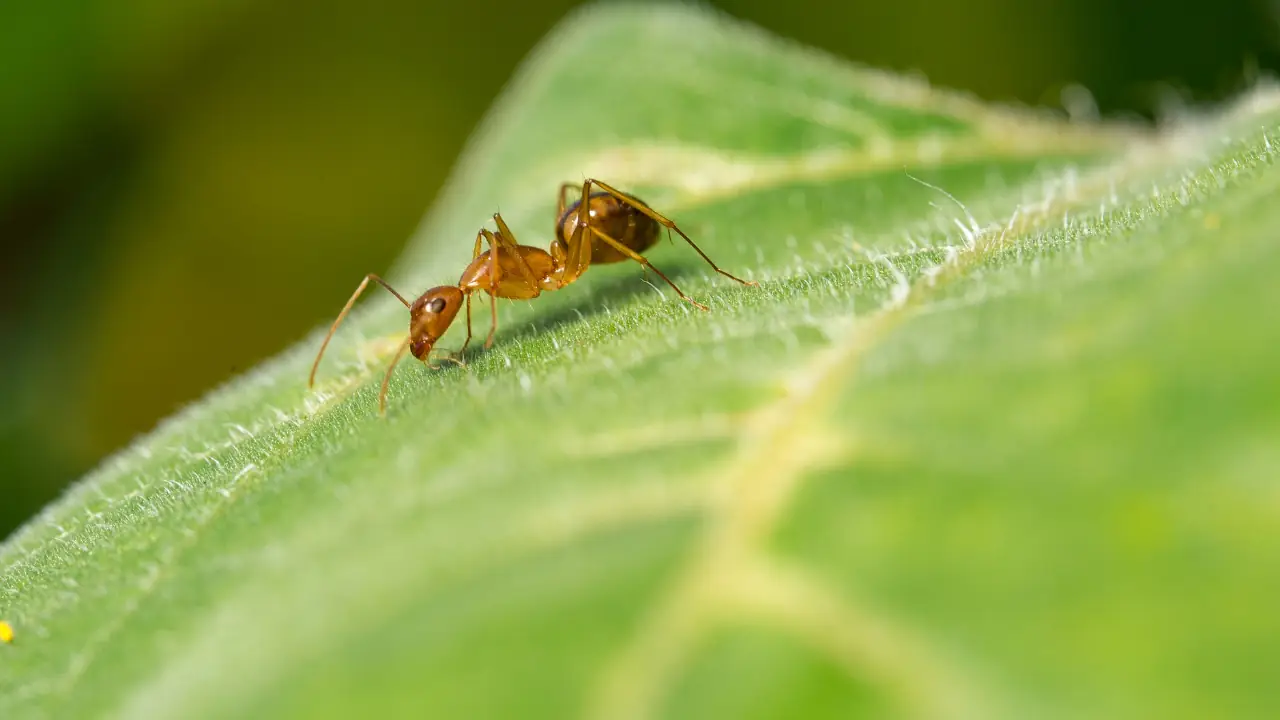
If ants are marching through your kitchen, popping up between patio stones, or building mounds in your lawn, it’s natural to wonder why they seem so hard to get rid of. What many homeowners don’t realize is that ants sit near the middle of a very busy food web. They’re not just pests — they’re prey.
Across North America, ants are eaten by a wide range of predators, from tiny ambush insects and parasitic flies to birds, reptiles, and even mammals. These natural enemies don’t just kill ants; they influence how ant colonies behave, where they forage, and how large they can grow. That’s why ant activity sometimes drops suddenly without obvious treatment, or why you might notice birds, spiders, or strange little flies hovering around ant trails.
After nearly two decades working in residential pest control, I’ve seen firsthand how natural predation shapes ant problems around homes. Understanding what eats ants helps explain why some infestations fade on their own, why others persist, and why predators alone rarely solve indoor ant issues.
This guide breaks down the main animals that eat ants — insects, birds, reptiles, and mammals — explains how they hunt, and shows what their presence realistically means for homeowners dealing with ant problems.
Also Read: Spadepestcontrol blog
What Eats Ants?
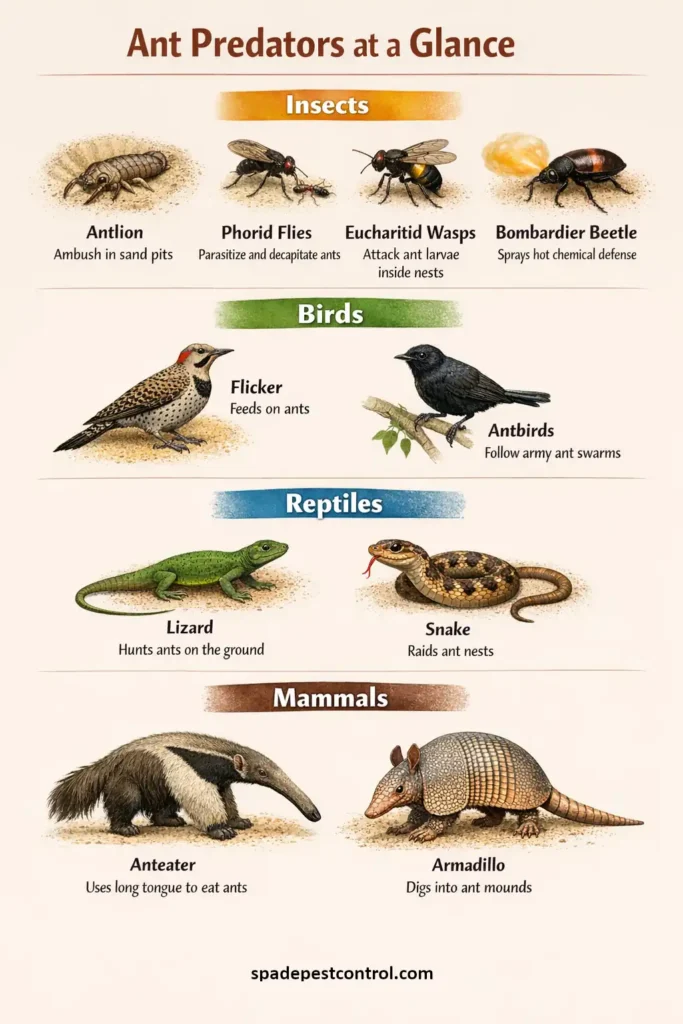
Ants are eaten by many animals, including antlions, spiders, beetles, parasitic flies, birds like northern flickers, lizards, and mammals such as armadillos and skunks. These predators help reduce ant numbers outdoors and disrupt foraging, but they rarely eliminate household infestations without additional control measures.
Bugs That Eat Ants
Lots of insects specialize in eating ants or parasitizing their colonies. Antlions are classic ambush predators — their larvae dig funnel-shaped pits in loose soil and wait for ants to slide in. Certain beetles, including some ground and bombardier beetles, prey on ants using speed or chemical defenses.
Parasitic wasps in the family Eucharitidae lay eggs whose larvae develop inside ant brood. Phorid flies and other parasitoids attack adult workers, sometimes causing decapitation during development. Even spiders and predatory true bugs will gobble ants if they can catch them. These tiny hunters are a major control on ant populations in many habitats.
Antlions
If you’ve ever poked loose sand and found a tiny funnel or noticed a little conical hole between garden pavers, that’s often the work of an antlion larva. Antlions are insects in the family Myrmeleontidae.
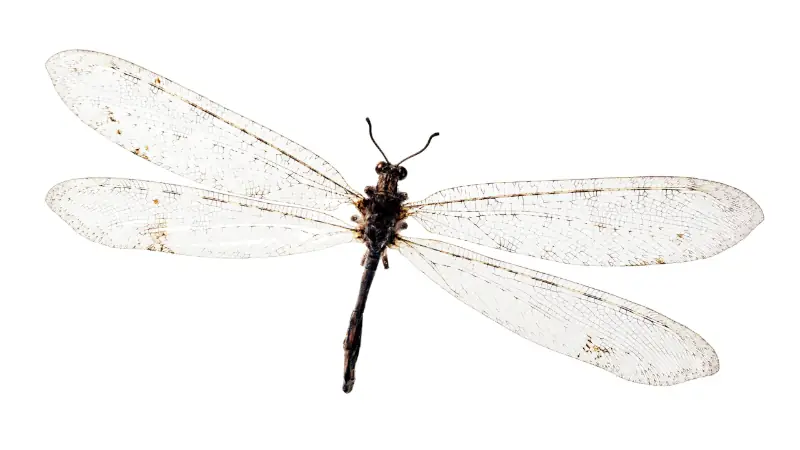
The story is simple and elegant: the larva digs a shallow, sloping pit with steep sides in dry, loose soil. When an ant or small insect stumbles into the pit, the walls give way and the prey slides down toward the larva’s burrowed mouthparts.
The antlion grips, injects digestive enzymes, and slowly sucks out the liquified insides. The adult antlion looks more like a damselfly, but it is the larval stage that is the hungry ant-eater. These larvae can wait months between meals; when food is plentiful they grow faster, but they survive lean times too. If you want to see them, check shaded, undisturbed patches of sand or dust near foundations.
Butterflies
You probably do not think “butterflies” when you imagine ant predators, and for good reason: adult butterflies mostly sip nectar, not munch insects. But the relationship between butterflies and ants is interesting and complex.
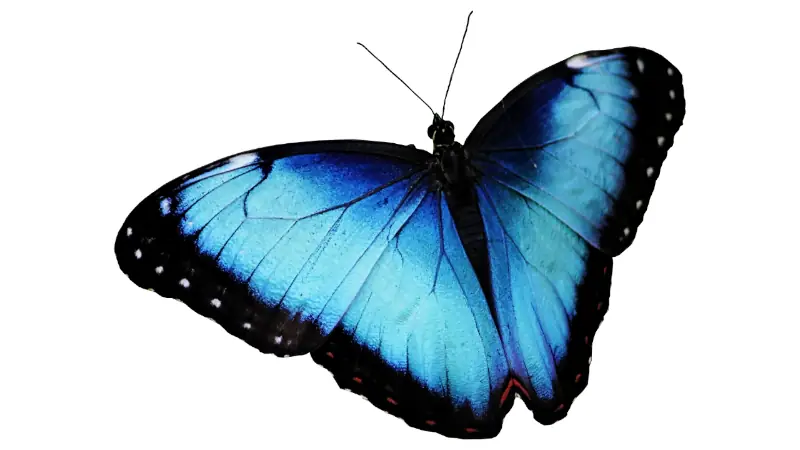
Some butterfly caterpillars (especially in families like Lycaenidae) actually have evolved tight, mutualistic or parasitic relationships with ants — they may be tended by ants for secreted sugars, or in rarer cases, the caterpillars cloak themselves in chemicals to avoid ant aggression and sometimes even feed on ant brood.
So while adult butterflies do not typically eat ants, various butterfly life stages interact with ants in surprising ways that can result in the loss of ant larvae or shifting ant behavior. That nuance is worth knowing when thinking about ants and their insect neighbors. (This is more about interaction than outright predation, but it shapes ant colony success.)
Spiders
Spiders are generalist predators and many will take ants whenever they can. Hunting strategies vary: jumping spiders pounce on solitary ants, sac spiders and wolf spiders hunt along the ground and intercept ant foragers, and trapdoor or burrowing spiders may catch ants that stray near their lairs.
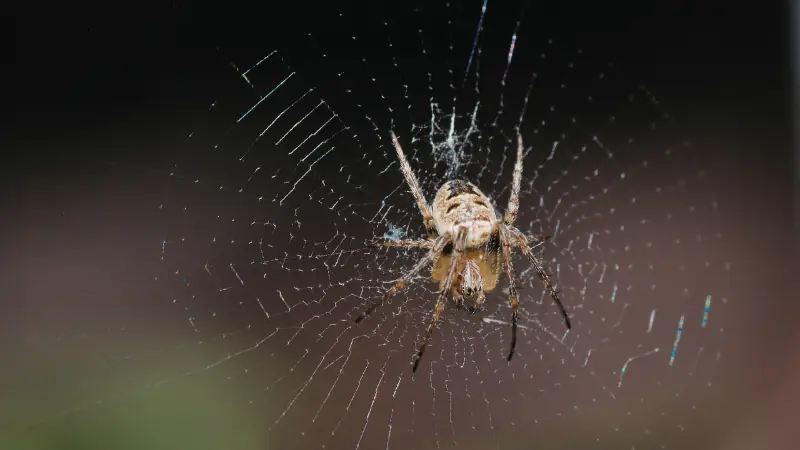
Some spiders must be careful: ants can bite and some species spray formic acid, so spiders often specialize in which ant species they tackle or attack only small, younger workers. In backyard and garden situations, spiders provide steady predation pressure on ant foragers, especially at night when many spiders are active.
Bombardier Beetles
Bombardier beetles are tiny chemical artillery units. When threatened they synthesize and eject a hot, noxious spray — an explosive mix formed by rapidly oxidizing chemicals stored in their abdomen.
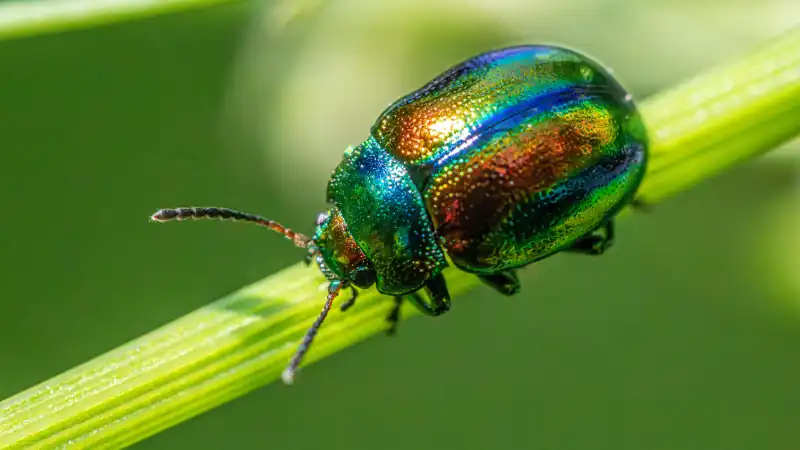
This blast can deter or incapacitate small attackers, including ants. Some species of bombardier and related ground beetles will actively hunt ants and are insulated well enough to handle the ants’ defenses. In short, bombardier beetles bring both offensive and defensive chemistry to the table and can take ants as food while surviving ant counterattacks that would overwhelm other predators.
Eucharitid Wasps
This is one of nature’s clever micro-thrillers. Eucharitid wasps are tiny parasitic wasps whose larvae are specialized ant brood parasites. Female eucharitids lay eggs on plant surfaces or inside tiny protective capsules that get picked up by foraging ants or latch onto vegetation.
The wasp larvae hitch a ride into the ant nest, then locate and attach to ant larvae or pupae. Inside the nest they feed on the ant brood — slowly and quietly. Eventually the wasp develops and emerges, often without the ants realizing what happened until it’s too late.
This life cycle is highly specialized and demonstrates how some insects evolved to exploit ant colonies from the inside. Because eucharitids target the brood, they can reduce future worker numbers — a long-term pressure on ant populations.
Larva Mimic Flies
Some flies have larvae that mimic ant brood or other ant-associated cues and sneak into nests to feed. Insects are masters of chemical and morphological disguise; a larva that smells or looks like ant larvae can be carried into the nest by worker ants and then feed inside where protection and food are plentiful.
These strategies are less obvious than dramatic ambushes, but they are effective over evolutionary time. They highlight that not all ant predators hunt from the outside; some work from the inside out.
Phorid Flies
Phorid flies (also called decapitating flies when referring to some species in the genus Pseudacteon) are a dramatic example of parasitoid behavior targeted at adult ants. These tiny flies approach ants, lay eggs on or in them, and the developing fly larva migrates into the ant’s body.
In several Pseudacteon species, the fly larva develops in the ant’s head, ultimately causing the head to detach — hence the term decapitating fly. These flies are particularly associated with fire ants in the Americas and have been studied both for their natural role and as biological control agents. They change ant behavior too; ant workers may avoid areas where phorid flies hunt, which can reduce foraging.
Ant Nest Beetles
Certain beetles are specialized predators or parasites of ants. Some whole groups of beetles have evolved to live inside ant nests, either feeding on brood or scavenging, while others hunt foraging ants outside.
Many nest-associated beetles do this by chemical camouflage or body shapes that let them blend into ant society. To a human eye they may look like a small, odd beetle near a mound; to an ant, they often smell like a nestmate and can move with surprising freedom.
The interactions can be complex: some beetles are outright predators, others are commensals, and a few even get tended by ants. Either way, beetles are a real part of the ant-predator guild.
Ant-Mugging Flies
This informal name covers flies that actively ambush ant workers on the trail, sometimes landing and delivering a sting, or laying eggs on the fly’s victim. Many such flies are generalist predators, but the phorid-like species have a particularly intimate and gruesome lifecycle.
Watching the small drama next to a kitchen ant line, you might notice tiny flies darting in and out — they may be attempting to parasitize or prey on workers. Locally, their presence reduces foraging efficiency because ants pause, groom, or retreat when flies are active.
Different Kinds of Ants
Ants are an enormous, diverse family (Formicidae) with thousands of species worldwide. That diversity matters when thinking about predators. A predator that feeds on small pavement ants may fail against a large, heavily armored carpenter ant or a colony of aggressive fire ants.
Some ants produce strong chemical defenses or recruit many nestmates to defend the colony; others are solitary foragers that are easy pickings. There are cold-climate ants, tropical army ants, arboreal ants, and subterranean ants — and each type interacts with predators differently.
For homeowners, identifying the species you have is the first step toward predicting what will naturally predate them and how to manage them. If ants move in large swarms, they attract different predators (like ant-following birds) than isolated kitchen trail ants do.
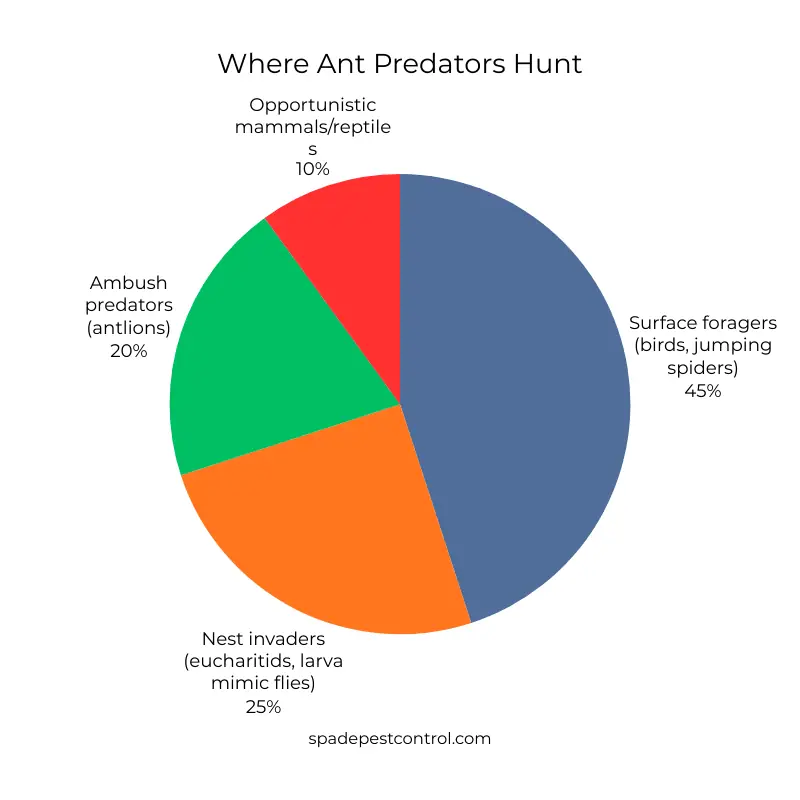
Other Animals That Eat Ants
Beyond insects, a variety of larger animals eat ants regularly. Anteaters and aardvarks are the specialists you probably know; they have long tongues and powerful claws for tearing open nests.
But many generalist mammals also eat ants: skunks, armadillos, some small marsupials, and shrews will dig into ant nests for a meal. Amphibians and reptiles — toads, frogs, lizards, and even some snakes — take ants opportunistically.
Certain snails and slugs have been documented feeding on insect eggs and small invertebrates, including ant larvae, under specific circumstances. These predators often target nests or trails and, collectively, they help keep ant numbers balanced across landscapes.
Birds
Birds that eat ants span from backyard species to exotic tropical specialists. A short list of birds known to eat ants or to follow ant swarms includes the northern flicker (a woodpecker whose diet is largely ants), various antbirds and woodcreepers in the Neotropics that follow army ants, thrushes and wrens that probe leaf litter, and several species of sparrows and starlings that take ants opportunistically.
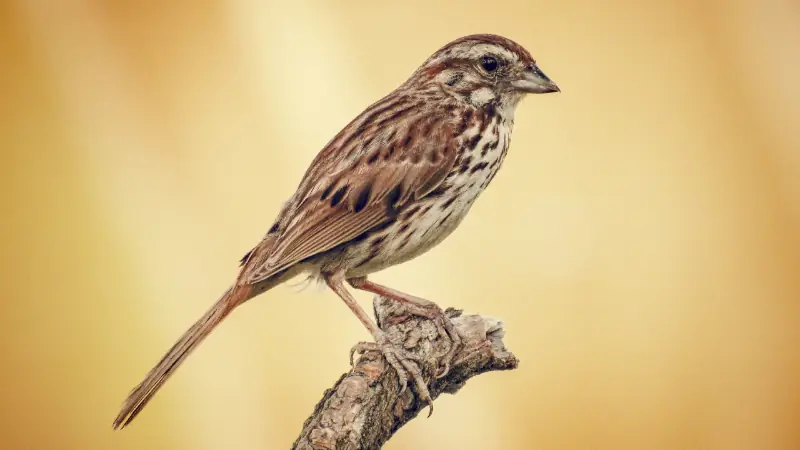
In short: northern flickers, gilded flickers, many antbirds, woodcreepers, some tanagers, thrushes, wrens, and certain ground-foraging sparrows will all include ants in their diet or will feed at army-ant swarms. These birds can be significant local controllers of ant populations, especially where ants forage in the open or form big surface swarms.
Lizards
Many lizards — from geckos to skinks to agamids — patrol walls, rocks, and ground litter searching for ants. Ants are small, abundant, and packed with protein, so they are a reliable snack.
Some lizards are picky and avoid the most chemically defended ants, but others have evolved behaviors (rapid tongue flicks, selective handling) that let them take worker ants with low risk.
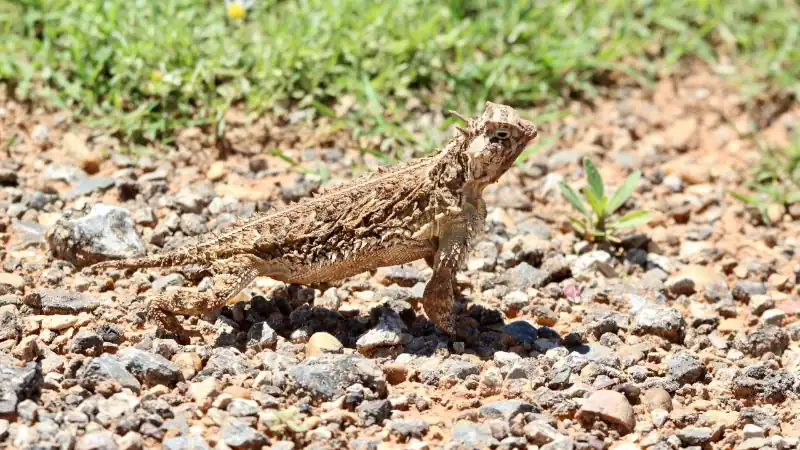
In hot, sunlit spaces where ants forage, lizards are frequent predators, and in some gardens they provide steady suppression of foraging ants during the day.
Snakes
Snakes do not typically specialize on ants because ants are small relative to most snakes’ gape. However, small snakes and some species that feed on small invertebrates will eat ants or ant larvae when the opportunity presents itself.
More importantly, snakes can disturb nests while searching for other prey, causing ant colonies to scatter or relocate, which indirectly affects ant presence in yards and gardens.
Snails
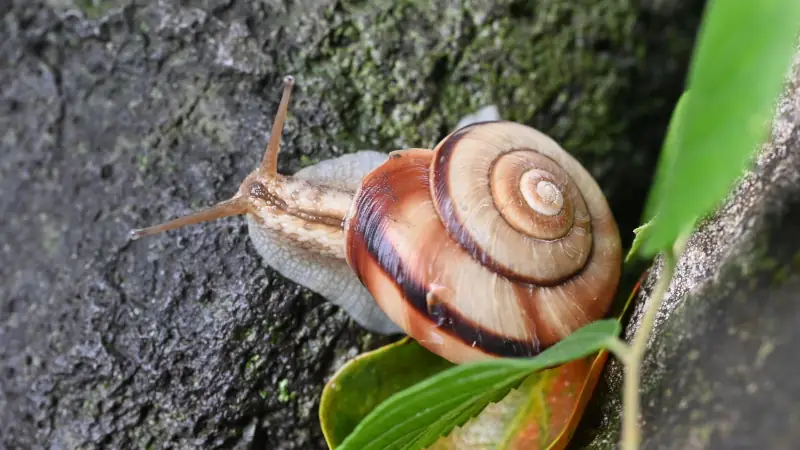
You may be surprised to see snails mentioned here. In most cases snails are not active ant predators, but certain carnivorous or opportunistic snail species will consume small soft-bodied invertebrates, eggs, or larval forms that can include ant brood in unusual contexts. This is not a major control factor, but it does show how many niches feed on ant life stages across ecosystems.
Mammals
Several mammals are famous ant specialists. Giant anteaters, tamanduas, and aardvarks are the classic examples, evolving long sticky tongues and robust claws to rip open nests. In temperate zones, armadillos, skunks, and some small mustelids (weasels) will dig up nests and feast on brood and workers.
Even raccoons and opossums will take ants when other food is scarce. On a household scale, you are more likely to see skunks or armadillos in the yard digging up nests than true anteaters. Their digging can be messy, but they are effective at reducing local colony numbers.
What This Looks Like in Real Homes
In the field, I’ve often seen homeowners assume their ant problem is “solved” because activity suddenly drops. One common example is a yard with sandy soil near a foundation where antlions are active. Ant trails thin out, fewer workers reach the house, and the problem seems to fade.
But when we inspect closely, the colony is still there — just under pressure. Birds may be feeding on surface foragers, spiders are intercepting workers at night, and parasitoid flies are disrupting daytime activity. Predators reduce traffic and stress the colony, but they don’t usually eliminate nests tucked under slabs or inside wall voids.
The lesson is simple: predators help, sometimes significantly, but they work best as background support. Structural infestations still need targeted treatment, sealing, and sanitation to fully resolve the problem.
Also Read: Do Coffee Grounds Repel Ants? Here’s What Actually Happens
Practical Takeaways for Homeowners
If ants are your problem, understanding predators helps but does not replace proper ant control. Think of these predator groups as allies you can protect and encourage:
A balanced approach — combining targeted control for problem nests with habitat practices that protect natural predators — often gives the best long-term results.
Frequently Asked Questions
Conclusion
Ants are everywhere for good reasons: they are numerous, social, and resourceful. But nature is balanced. A surprising and fascinating team of predators — from ambushing antlions and parasitic eucharitid wasps to decapitating phorid flies, birds like the northern flicker, lizards, and mammals such as anteaters — all take ants as food.
For homeowners, understanding these predators gives perspective: some predators reduce ant numbers naturally; others change ant behavior in ways that can reduce household nuisance. Protecting beneficial predators where practical, combining good sanitation, sealing entry points, and targeted treatments for nests gives the best outcomes.
If an ant colony threatens your home or you want a species-specific plan, an experienced pest professional such as Spade Pest Control can help. Meanwhile, enjoy the fact that you have invisible allies out there doing some of the work for you.
View Sources
- Antlion information — Myrmeleontidae overview. (Antlion biology and larval ambush behavior). Link.
- Phorid flies and decapitating behavior — Peer-reviewed summary on Pseudacteon and phorid biology. Link.
- Bombardier beetle defense — detailed natural-history reporting. Link.
- Eucharitid wasps — parasitoids of ants (taxonomy and life cycle). Link.