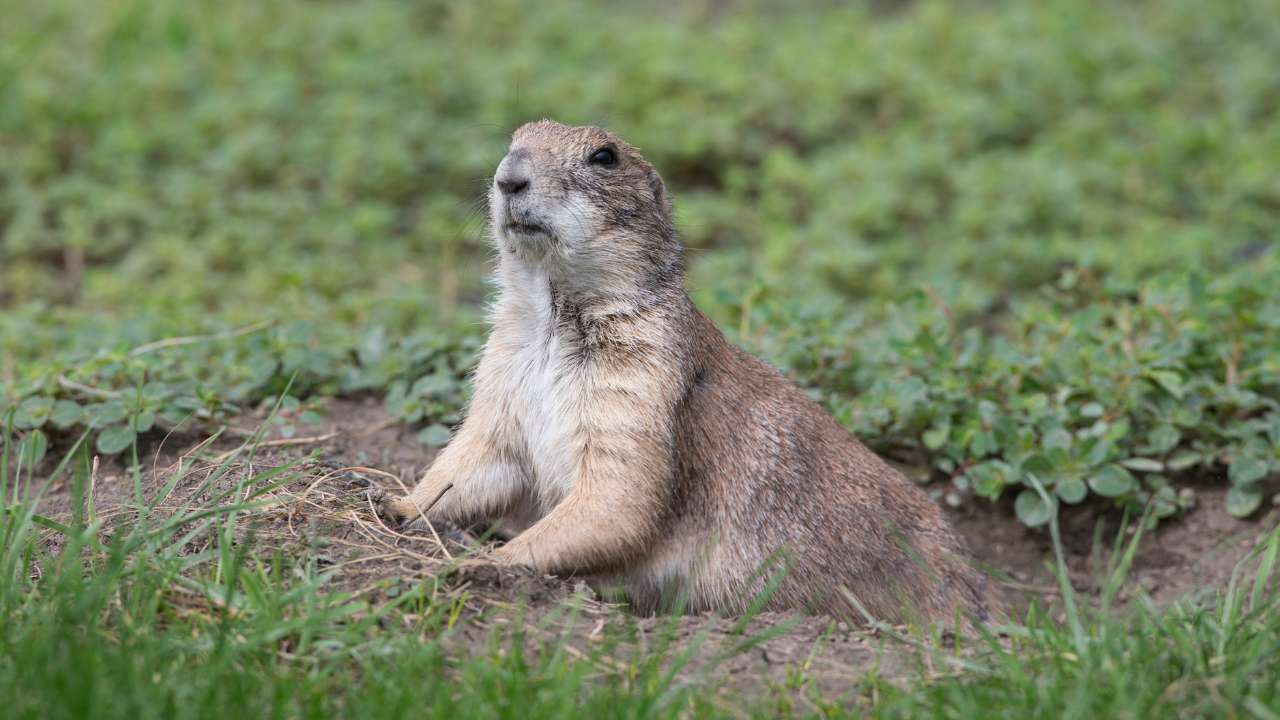
If you’re staring out at your yard and seeing tunnels, holes, and half-eaten veggies where once there was a thriving garden, you’re not alone. Groundhogs, also known as woodchucks, can cause real headaches for homeowners and gardeners.
They dig extensive burrows, trample landscaping, and can undermine decks, patios, and even foundations if left unchecked. Naturally, when people start searching for Killing Groundhogs With Bubble Gum on Google and Bing, it tells you just how desperate some folks have become. You want a solution that’s cheap, simple, and — ideally — something you can do yourself without calling in a professional.
In nearly two decades of dealing with groundhog damage I’ve heard all sorts of home remedies and backyard “tips” from garden club members, farmers, and even my neighbor at the coffee shop. The one that gets tossed around with a wink and a nod more than most is the idea of using bubble gum, of all things, to kill groundhogs.
But does this strange method work, or is it another old wives’ tale that’s been repeated one too many times? Let’s unpack this together in a way that actually makes sense. By the end of this article, you’ll understand what bubble gum will — and won’t — do, and what you should actually be doing to deal with groundhogs in a responsible, effective way.
Also Read: How to Keep Away Raccoons Using Scents They Can’t Stand
Does Bubble Gum Kill Groundhogs?
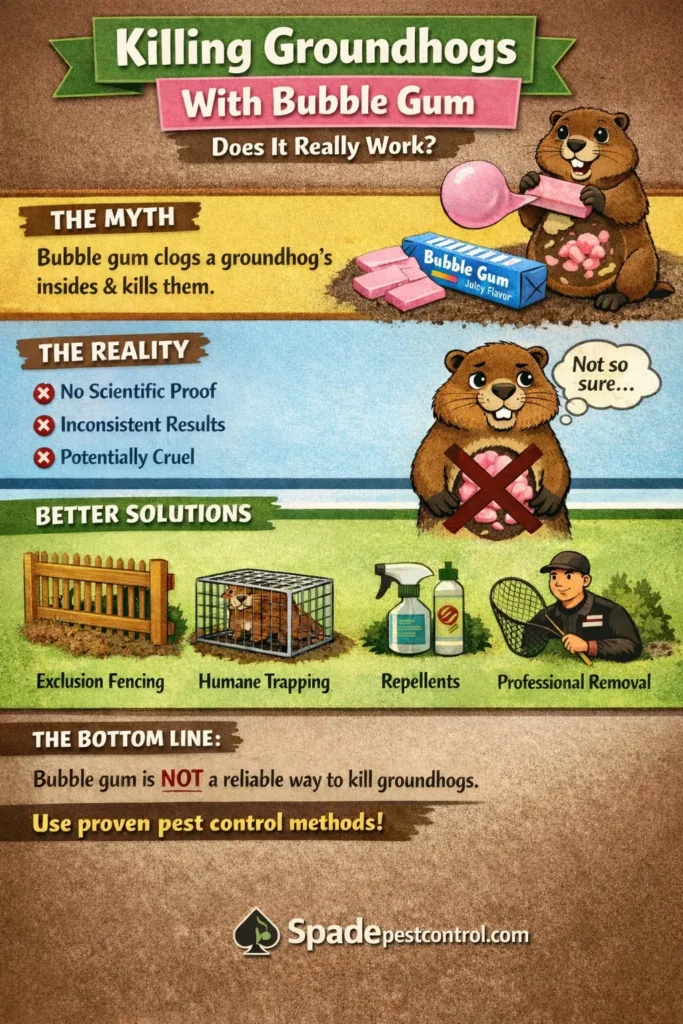
There’s an internet legend that placing bubble gum — especially brands like Juicy Fruit or Double Bubble — near or inside a groundhog burrow will attract the animal and then kill it because its digestive system can’t process the gum.
Some people swear by it, saying they placed gum down the burrow and saw no more groundhog activity days later. These stories show up in forums, gardening groups, and community threads where homeowners share tips from personal experience or word-of-mouth.
But here’s the honest truth: there’s no scientific evidence that bubble gum reliably kills groundhogs. The idea is more folklore than fact. Veterinarians and wildlife experts generally don’t back up this claim because chewing gum doesn’t expand in the stomach the way some myths suggest, nor is it inherently toxic to rodents in the way commercial rodenticides are.
While some animals might choke or suffer digestive issues if they swallow large amounts of gum, this is unpredictable, inhumane, and certainly not a guaranteed method. Most wildlife professionals say it’s ineffective or too inconsistent to consider it a real pest control tactic.
My Opinion as a Pest Control Expert
In practice, I’ve seen this myth waste more time than it ever saves. One homeowner I worked with had been placing gum near an active burrow for over a week, convinced it was “working” because the groundhog stayed out of sight. In reality, it had simply shifted to a secondary entrance under a shed, where it continued digging unchecked. Once we identified the full burrow system and installed proper exclusion fencing combined with trapping, the problem was resolved within days — something the bubble gum never came close to accomplishing.
How It Works (The Theory Behind the Bubble Gum Myth)
Let’s unpack the supposed mechanism behind the bubble gum idea so you understand where it came from.
The story generally goes like this: groundhogs are curious and will chew or swallow pieces of bubble gum left near burrow entrances because of the sweet smell. Once ingested, the gum supposedly clogs their gastrointestinal tract, they can’t digest it, they stop eating, and they eventually starve or die.
Here’s why that theory doesn’t hold up in real life:
- Rodent Digestion Is Different: Groundhogs and other rodents do chew through tough plant material all the time. Their digestive systems handle a variety of fibrous food. Chewing gum may pass through like other indigestible material rather than “gumming up” their insides permanently.
- Taste and Attraction Vary: Not all groundhogs are attracted to sweet things the way some people claim. In my experience and from community reports, some will ignore it entirely, while others might nibble out of curiosity.
- No Controlled Studies: Unlike documented pest control methods, this bubble gum “remedy” hasn’t been tested under controlled conditions. That means there’s no dependable way to say it kills groundhogs or significantly reduces populations.
- Non-Target Issues: Even if gum were effective, putting candy outdoors risks attracting other wildlife (raccoons, birds, squirrels) and even pets.
So, while the mechanism sounds kind of clever in a backyard conversation, in practice it’s unreliable and not grounded in proven biology or pest control science.
How to Start Killing Groundhogs with Bubble Gum
Before we go any further, let’s be clear: I do not recommend using bubble gum as a groundhog control method. But if someone still wants to explore it out of curiosity, here’s how you’d technically start:
Step 1: Gather Your Supplies
You will need several pieces of pink, unwrapped Double Bubble gum (the original brand most cited in the myth). Wear gloves to minimize transferring your human scent to the gum, as this could deter the animal.
Step 2: Locate Active Burrows
This is a critical step for any groundhog control method. Your goal is to find the main entrance and any secondary escape holes. Look for holes roughly 6-8 inches in diameter with a mound of fresh dirt around them, often near garden edges, sheds, or woodpiles. Active burrows will look clean and well-traveled, without cobwebs over the entrance.
Step 3: Place the Bait
Take 3-4 pieces of the unwrapped gum and place them directly inside the burrow entrance. Some versions of the myth also suggest placing a few pieces on a flat rock or in a shallow dish near the entrance. The idea is to make it easy for the groundhog to find and consume as soon as it exits or enters.
Step 4: Monitor and wait
Check the bait sites daily. If the gum is gone, it may have been taken by the groundhog (though other animals like raccoons or opossums could also be culprits). Proponents suggest replenishing the gum for a few days to target multiple animals or ensure consumption.
My Expert Tip
If you insist on testing this myth, please do not let it be your only line of defense. The most important thing you can do simultaneously is to document the groundhog’s activity. Use a wildlife camera or simply note the times you see it. This information is GOLD for implementing a real solution—like a strategically placed live trap baited with fresh cantaloupe or apple slices—when the bubble gum method inevitably fails. Setting a trap is the logical next step, and knowing the animal’s habits guarantees a much higher success rate.
Should You Use This Method?
Let me be candid: No, you should not rely on bubble gum to kill groundhogs.
Here’s why:

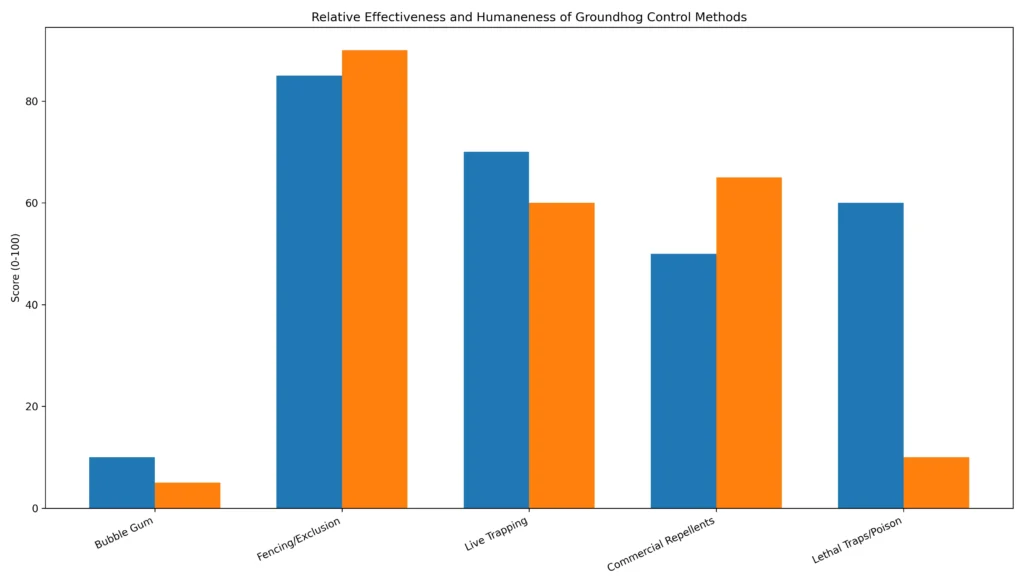
Instead of bubble gum, you have options that are proven, humane, and safer for your family and pets. These include exclusion fencing, humane trapping and relocation (where legal), and habitat modification to make your yard less attractive to groundhogs.
If you aren’t comfortable handling these yourself, a professional pest control company like Spade Pest Control can help assess your situation and recommend the best strategy for your property.
Better and Proven Ways to Deal with Groundhogs
If bubble gum isn’t the answer, what is? Let’s talk about practical, effective strategies that have delivered results over decades of pest control work.
Fencing
A properly installed fence is one of the most effective barriers you can build. Use hardware cloth or poultry wire at least 3 feet high, with the bottom buried or bent outward to prevent burrowing underneath. This approach doesn’t just stop groundhogs — it protects gardens from rabbits, dogs, and other burrowing wildlife.
Live Trapping (Where Legal)
Humane live traps placed near burrow entrances or feeding paths with attractive bait (like apples or leafy greens) can catch groundhogs alive. After capture, relocate them according to local wildlife regulations — usually at least 10 miles away from your property.
Habitat Modification
Groundhogs like easy access to food and soft soil for burrowing. Removing attractants (like fallen fruit), keeping grass mowed, and eliminating hiding spots can make your yard less enticing over time.
Repellents and Natural Deterrents
Although effectiveness varies, natural repellents such as predator urine sprays, hot pepper sprays, and castor oil around burrow areas can help deter them. These are safer for pets and children compared to poison.
Professional Removal
For persistent infestations, calling in a licensed pest removal expert is often the fastest way to restore peace and protect your yard. Professionals have tools, traps, and experience that most homeowners don’t.
Also Read: How To Get Rid of Clover Mites
Conclusion
The idea of Killing Groundhogs With Bubble Gum is one of those quirky backyard legends that gets passed around because it sounds clever and cheap. But when you peel back the curtain, you find it’s not a reliable or humane pest control solution. There’s no scientific backing, and most wildlife or pest professionals won’t recommend it.
Instead, focus on proven strategies — exclusion fencing, humane trapping, habitat management, and professional help when needed. These approaches protect your yard, respect wildlife, and give you peace of mind.
If groundhogs have really taken over your space, don’t waste time chasing myths. Take action with tactics that have stood the test of real-world pest control experience.
Frequently Asked Questions About Groundhogs
View Sources
- How to Get Rid of Groundhogs | Almanac – Suggests that bubble gum myths exist and explains groundhog control basics.
- How to Control Groundhogs (Fencing, Trapping, Fumigants) – Best practices for groundhog control
- Humane Groundhog Advice – Focuses on exclusion and humane methods
- Missouri Department of Conservation. Groundhog Control.