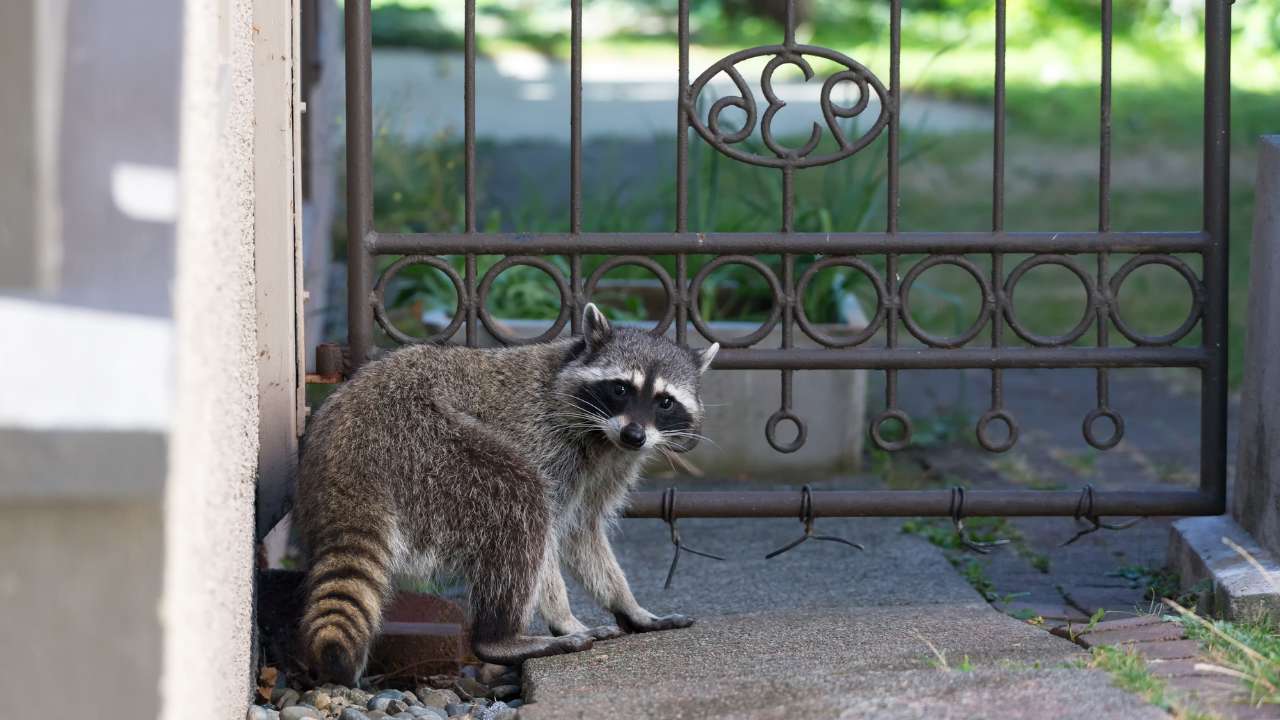
If raccoons have started treating your yard like an all-you-can-eat buffet, I get it — you want them gone, yesterday. They are clever, nocturnal, and oddly dexterous, and one raccoon can turn a tidy garden into a scavenged mess before you’ve had your morning coffee.
I’ve spent years helping homeowners deal with these visitors, and the short version is this: smells can help, but they are rarely the whole answer. Some scents keep away raccoons and push them away for a while; others are unsafe or useless. The smartest approach blends short-term scent-based deterrents with long-term fixes: secure the food, seal the entry points, and make your property less attractive overall.
In this article I’ll walk you through the scents raccoons hate, how to use each one safely, where to apply them, and what else you should do if your goal is to keep away raccoons for good. Think of this as a practical plan you can try tonight and keep building on for the weeks after.
Also Read: Plaster Bagworm: How To Get Rid Of Them Quickly
Do Scents Really Keep Raccoons Away?
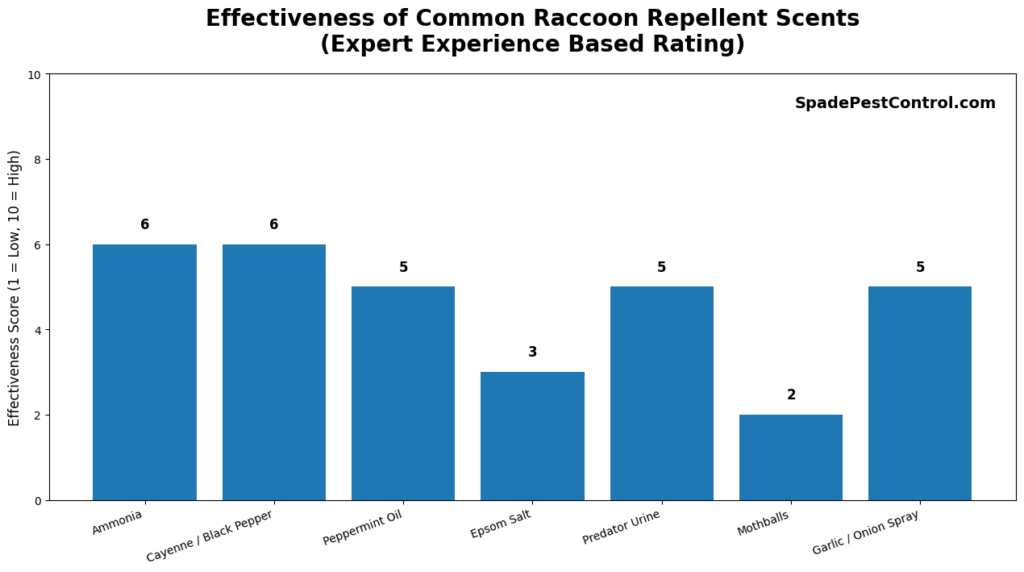
Strong smells like ammonia, hot pepper, peppermint oil, and garlic can temporarily help keep away raccoons, especially around trash cans and gardens. However, scents alone rarely solve a raccoon problem long term. For lasting results, remove food sources, secure trash, and seal entry points — then use scents as short-term deterrents while you fix the root causes.
Why You Need to Keep Raccoons Away
Raccoons look cute, but they bring problems. They raid trash, dig up lawns hunting grubs, and may also prey on small animals, eggs, and other easy food sources. If you’re wondering what animals do raccoons eat, they can be surprisingly opportunistic feeders. They also tear into rooflines and attics to make dens, and they can carry parasites and diseases that matter for people and pets. Left unchecked, raccoons can cause structural damage, contaminate areas with feces, and make your outdoor spaces unpleasant.
Beyond the mess, there’s a health angle: raccoon roundworm and the risk of bites or scratches make it sensible to discourage them from living close to your home. The good news is that with the right mix of tactics you can reduce visits and protect your property.
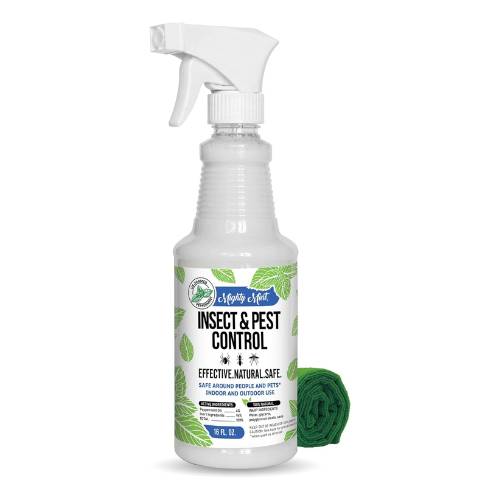
Mighty Mint 16 oz Peppermint Oil Pest Spray
✓ Natural plant-based pest repellent to deter spiders, ants, raccoons, etc.
✓ Pet- and kid-friendly formula when used as directed
✓ Ready-to-use 16 oz spray works on baseboards, patios and entry points
✓ Pleasant peppermint aroma that leaves areas smelling clean
For lasting results, stop feeding their incentive to be there. Trash, pet food, ripe fruit on the ground, and open compost are what draws them in. Once you remove those attractants and seal likely entry points, scent repellents become much more effective and often unnecessary over time.
Raccoon Repellents and Scents They Hate
Below I’ll cover the common scents people use, how to apply them, what to expect, and safety tips. A quick note up front: almost all scent-based fixes give temporary relief. Raccoons are smart and curious; if food is still available, they’ll come back. Use scents as part of a plan, not the whole plan.
What I See in Real Homes
In real homes, scent deterrents usually work best as a short-term behavior change, not a cure. One example that sticks with me was a suburban home where raccoons kept ripping open trash cans every night. The homeowner tried peppermint oil alone — it worked for about a week. Once we added ammonia-soaked rags near the cans and switched to wildlife-resistant lids stored in the garage overnight, the visits stopped completely.
Key Takeaway
Scents can buy you time, but raccoons will push through unpleasant smells if food is still easy to get. When homeowners pair deterrent smells with secured trash and sealed access points, it becomes much easier to keep away raccoons long term.
A quick visual guide to which raccoon-repelling scents tend to work best in real-world situations.
Black or Cayenne Pepper
Spicy powders like black pepper or cayenne irritate the nose and can create a strong short-term repellent. People sprinkle powdered pepper around compost bins, on top of trash lid seals, and at the base of garden plants that get raided. Another method is to make a spray: steep cayenne or hot pepper flakes in boiling water, let it cool, strain, and put the liquid into a spray bottle. Test on a small patch of plant first to make sure it does not burn foliage.
Quick tip
Reapply after rain and avoid spraying directly on edible plants or near pets’ feeding areas. The capsaicin in hot peppers will burn eyes and mucous membranes, so wear gloves and don’t let kids or pets lick treated surfaces. Anecdotally effective for short stretches, but it fades as the weather and wind move the scent.
Ammonia
Ammonia smells like predator urine to many small mammals and can be startling to raccoons. People place ammonia-soaked rags in shallow containers near trash cans, under decks, or at the edge of gardens. Another simple approach is to put a little ammonia on rags and secure them out of reach so they won’t be knocked into water.
Quick tip
Ammonia is an irritant. Use it outdoors only, keep it away from pets and children, and place rags where rain won’t wash the chemical into soil or drains. Replace the rags regularly. Ammonia can be effective in the short term, but it is not a permanent exclusion strategy.
Peppermint Oil
Mighty Mint 16 oz Peppermint Oil Pest Spray
✓ Natural plant-based pest repellent to deter spiders, ants, raccoons, etc.
✓ Pet- and kid-friendly formula when used as directed
✓ Ready-to-use 16 oz spray works on baseboards, patios and entry points
✓ Pleasant peppermint aroma that leaves areas smelling clean
Peppermint essential oil is commonly used because raccoons and many other mammals dislike strong mint scents. Mix a few drops of peppermint oil with water and a little dish soap to help the oil suspend, then spray around potential entry spots and near trash cans. Cotton balls soaked in peppermint oil and tucked under eaves or in crawlspaces are a low-effort option.
Quick tip
Peppermint is generally safe but it fades fast outdoors. Reapply often and don’t rely on it where there is a lot of rain or sun. Keep oils away from pets that might be sensitive — cats particularly can have issues with essential oils.
Eviction Fluid
“Eviction fluid” is a generic term used by some pros for commercially available wildlife deterrent sprays. These products typically combine strong-smelling compounds designed to feel threatening or unpleasant to the animal. If you choose a commercial product, follow the label instructions carefully and pick one labeled for raccoons or general wildlife deterrence.
Quick tip
Read labels. Many “homemade” or off-label uses are illegal or unsafe. Commercial products are formulated for stability and to minimize harm when used properly.
Epsom Salt
You will read a lot of mixed reports about Epsom salt. Some homeowners swear sprinkling dry Epsom salt around trash cans works because raccoons dislike the scent or texture. Other sources, including wildlife professionals, call this anecdotal with no consistent scientific backing.
Quick tip
If you try Epsom salt, reapply after rainfall. Don’t rely on Epsom salt alone — combine it with sanitation and secured bins. Evidence of consistent effectiveness is weak, so treat it as a low-cost experiment rather than a solution.
Pepper & Onion Spray
Onion and garlic have strong sulfurous smells that many mammals dislike. A homemade spray can be made by boiling chopped onions and hot peppers, letting the mix steep, straining, and diluting into a spray bottle. Spritz around fences, trash areas, and garden perimeter.
Quick tip
Test the spray on non-visible plant areas first — high concentrations can stress or burn sensitive plants. Reapply after heavy rain. This spray is striking when first used but tends to fade and needs maintenance.
Garlic
Garlic works much like onion. It’s pungent and off-putting. You can use fresh garlic, garlic powder sprinkled in targeted areas, or homemade sprays. Because garlic is edible and biodegradable, it is safer for gardens than harsh chemicals, but it is still a temporary deterrent.
Mothballs
Mothballs come up often in internet lists, but this is one to avoid. Mothballs are pesticides intended for enclosed spaces like closets. Using them outdoors to repel wildlife is unsafe, often illegal, and ineffective. The fumes can harm pets, children, beneficial wildlife, and contaminate soil and water. Authorities and pest professionals strongly advise against using mothballs as outdoor wildlife repellents. Don’t do it.
Quick tip
If you see mothballs suggested on forums, ignore it. Use safer, legal alternatives and focus on exclusion and sanitation.
Urine From Predators
Products that use coyote, fox, or bobcat urine try to mimic the smell of a predator and scare raccoons away. They can be useful in some rural or lightly trafficked suburban settings. However, in urban areas these products often lose effect because raccoons become habituated, and the scent can sometimes attract real predators or other curious wildlife.
Quick tip
If you try predator urine, place it where it won’t wash away and rotate products. Use it as a short-term tactic while you fix attractants and seal entry points. Be cautious: this method is inconsistent and may have unintended consequences.
Areas To Use These Scents & Repellents
Scents work best where raccoons make repeated, predictable visits. Good candidate spots include the area around garbage cans, compost pile edges, the base of fruit trees, garden perimeters, and the exterior of sheds or under decks where they may den. Don’t place irritants inside attics or enclosed spaces — strong chemicals or essential oils can harm insulation, wiring, or create indoor air problems. Outdoors, avoid placing anything that could leach into soil near vegetable beds or water features.
Scents are most effective when used in targeted zones as part of an exclusion strategy. For example, treat around the trash can, but also secure the lid and remove food scraps inside the can. That combination is far more reliable than scent alone. If you’re treating a den site outdoors, know that disturbing an occupied den can cause defense reactions from animals; get professional help if you find a den with young animals.
Other Ways to Keep Raccoons Away
Scent is only one tool, to reliably keep away raccoons, address food, shelter, and access together.
First, remove food attractants. Secure all trash in wildlife-resistant bins and store them in a locked garage the morning of pickup. Don’t leave pet food outside overnight. Pick up fallen fruit and cover compost bins with raccoon-proof lids. Clean grills and bird feeders so they do not drip food.
Second, make the property hard to use as shelter. Seal gaps under porches and decks, repair loose soffits, cap chimneys, and screen vents. Use heavy gauge wire mesh for openings and make sure any patching is strong enough that a raccoon can’t pry it open. A common inspection trick is to stuff newspaper into a suspected entry; if it’s undisturbed for a day, sealing is safe. Humane wildlife and extension services describe similar exclusion methods as the most effective long-term strategy.
Third, use deterrents to change behavior while you fix the above. Motion-activated lights, ultrasonic devices, and motion-activated sprinklers are humane and effective because raccoons are nocturnal and rely on darkness and predictability. A bright light or sudden spray triggers flight. For gardens, physical barriers like hardware cloth under raised beds, netting, or chicken wire around vulnerable plants keep raccoons from pawing at soil.
Trapping and moving raccoons is regulated in many places and often not recommended — relocated animals may return or suffer. If a raccoon has nested in your structure or poses a health risk, hire a licensed wildlife professional to remove animals humanely and to sanitize afterward.
Practical Step-by-Step Plan
Start tonight with a simple routine:
- Put away pet food and secure bird feeders before dusk.
- Store trash inside or in raccoon-proof bins; avoid putting trash out until morning.
- Check for obvious entry points: loose vents, torn soffits, pipe openings. Stuff paper in suspect holes as a monitor.
- Place ammonia-soaked rags or pepper-spray near trash as a short-term deterrent, but keep them out of reach of children and pets.
- If using essential oils, soak cotton balls and tuck them high under eaves or in crawlspace corners — don’t drop them on the ground.
- Arrange motion-activated lights or sprinklers where raccoons have been most active. These work immediately and humanely.
- If the activity continues, contact a local wildlife removal professional who follows humane guidelines and can seal entry points.
This combines immediate discouragement with long-term exclusion, which is the winning formula.
Also Read: Killing Groundhogs With Bubble Gum: Myth or Effective Pest Control?
Frequently Asked Questions About Raccoon Repellents
Final Thoughts
Raccoons are clever and adaptable. Scents can help you keep away raccoons temporarily, but they are not magic. The lasting solution is to remove attractants and make your home a difficult place for raccoons to live. Avoid dangerous or illegal “tricks” like scattering mothballs outdoors — they do more harm than good. If you are ever unsure about a den or an animal with young, call professionals who can handle removal and sanitation safely.
I’ve seen people win this battle by doing three things well: securing trash, sealing entry points, and using humane deterrents like motion sprinklers. Scents — ammonia, hot pepper, peppermint oil — are helpful when you use them smartly, safely, and temporarily. If you want, I can walk you through a property-specific checklist, or suggest the best places to install motion deterrents based on photos of your yard.
View Sources
- NPIC / Oregon State University — Regulation and risks of mothballs (why outdoor use is unsafe). Link.
- CritterControl — Why mothballs are ineffective and other deterrent guidance. Link.
- Humane Society / Humane Wildlife pages — sealing entry points and safe practices for dealing with raccoons. Link.
- Virginia Tech Cooperative Extension — managing human–raccoon interactions and best practices. Link.