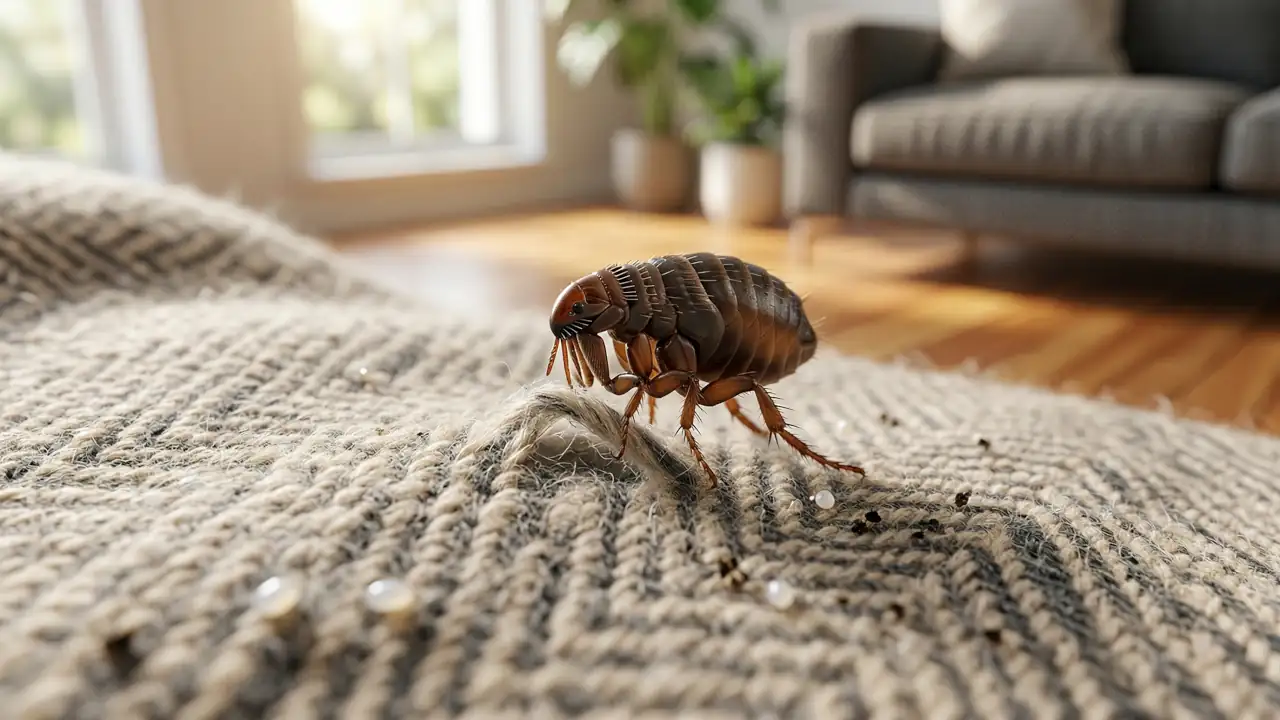
If you have fleas in the house, the annoying part is not just the itching. It is the feeling that they are everywhere, even when you cannot always see them. That is because fleas do not behave like a simple one-and-done pest.
They move through multiple life stages, hide in carpets and cracks, and keep reappearing unless you hit them from more than one angle. That is why this guide is built for real homes, not perfect ones. Maybe your dog is scratching nonstop. Maybe your ankles are getting bitten. Maybe you already vacuumed once and thought you were done, only to see fleas again two days later. That is normal.
The trick is to stop thinking about fleas as a single problem and start treating them as a system. You have to break the cycle on your pets, in your carpet, in your bedding, and sometimes in your yard too. Once you understand that, the whole thing becomes much more manageable.
Also Read: Does Bug Spray Work on Fleas? Here’s What Actually Kills Them
Quick Answer: How to Get Rid of Fleas
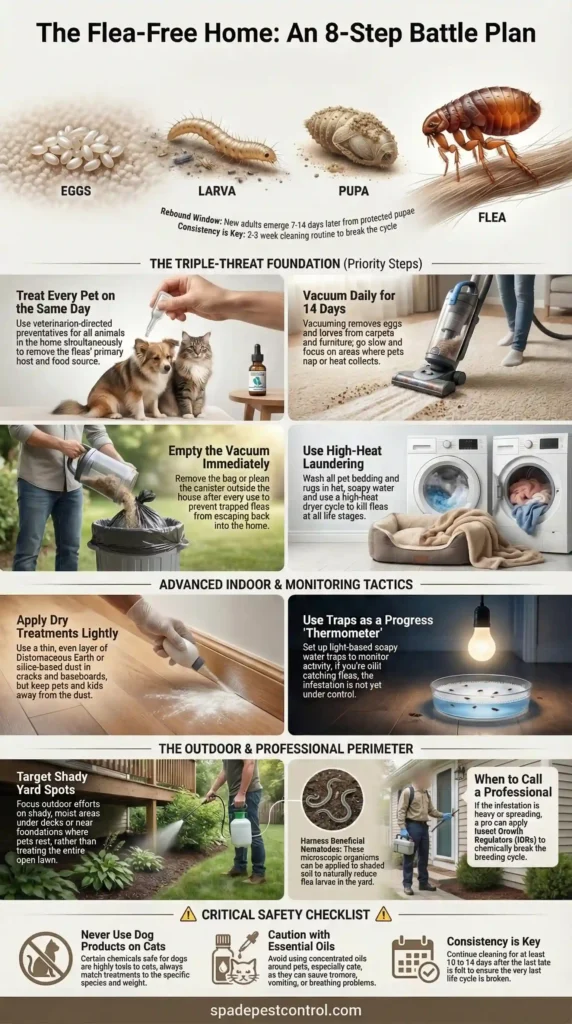
To get rid of fleas in the house, treat every pet in the home, vacuum carpets and furniture daily, wash bedding in hot water, and keep cleaning for at least 2 to 3 weeks. Fleas usually come back when homeowners only treat the pet or only treat the house. The real fix is breaking the flea life cycle in both places at the same time.
What Actually Works Best in Real Homes
If I had to prioritize just three things in a typical flea problem, I would start here:
- Treat every pet in the home on the same day
- Vacuum daily for at least 10 to 14 days
- Wash or steam-treat every place pets sleep
Most flea jobs fail because one of those three steps gets skipped. In real homes, the rebound usually is not because the treatment “didn’t work.” It is because flea eggs, larvae, and pupae were still hiding in carpet, furniture seams, bedding, or a second untreated pet.
A Real-World Flea Pattern I See All the Time
One of the most common flea situations I see is when a homeowner treats one itchy dog, vacuums once or twice, and thinks the problem is over. Then about a week later, the bites start again and it feels like the fleas “came back.” In reality, they usually never left. What happened is that new adults emerged from cocoons in the carpet or furniture after the first round of cleanup.
A very typical version of this is a home with two pets, carpeted bedrooms, and one dog that gets treated while the cat or second dog gets overlooked because it “doesn’t seem bothered.” That second animal keeps the cycle going. Once both pets are treated, the bedding gets washed, and the vacuuming stays consistent for the next 10 to 14 days, the infestation usually starts collapsing fast. That pattern is so common that I treat it like the default until proven otherwise.
1. Take Care of Your Pets First
If there is one place to start, this is it. Pets are usually the main host in a flea problem, and if you do not deal with them first, every other step only gives you temporary relief. According to the CDC’s flea control guidance, every pet in the home should be treated, and follow-up matters because moderate to severe infestations can take time to fully control.
The best move is to talk with your veterinarian about the right flea control product for your pet. That matters even more with cats, because some flea products that are safe for dogs can be dangerous if used incorrectly on cats.
Modern veterinarian-directed flea preventives are much more reliable than random over-the-counter shortcuts. Bathing and brushing can help too, especially when combined with a flea comb around the neck, chest, belly, and tail area. Soap and combing can knock down adult fleas right away, but long-lasting prevention is what stops the rebound.
One thing I would not do is rely on flea shampoos alone. They may kill what is on the pet at that moment, but they do not keep working. That is why infestations feel like they come back from nowhere. A single bath can make you feel better for a day, but it does not solve the bigger problem. If you have multiple pets, treat all of them at the same time, even if only one seems itchy. That is one of the easiest mistakes people make, and it is a big reason infestations drag on.
2. Vacuum Every Single Day

Vacuuming is not just housekeeping here. It is flea control. The EPA’s flea and tick control advice for homes recommends daily vacuuming as one of the best first steps because it helps remove eggs, larvae, and adult fleas from carpets, rugs, furniture, and cracks where they hide.
Use the vacuum on carpets, area rugs, cushioned furniture, baseboards, cracks, crevices, and any place your pet likes to nap. Go slower than you normally would. Flea eggs and larvae are small, and they sit where dirt, pet hair, and body heat collect. If your pet sleeps on the couch, vacuum the couch. If your pet hangs out under the bed, vacuum under the bed. This is the kind of boring work that makes a huge difference because it removes the hidden stages that keep the infestation alive.
Pro Tip: Empty the Vacuum Immediately
Empty the vacuum right away and get the contents out of the house. That simple step matters more than people think. Flea eggs or adults can survive long enough inside the vacuum bag or canister to become a problem again if you leave it sitting indoors. If you have a bagless model, clean the canister and filter after each use. If you want one small habit that raises your odds of success, this is it.
3. Hit Them with Heat Treatment
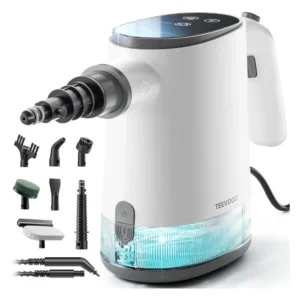
Heat is one of the simplest ways to make flea hiding spots much less friendly. Steam cleaning can be useful on carpets, furniture seams, and upholstered areas that cannot go in the wash. Hot water washing is also a big deal for bedding, rugs, covers, and any washable fabric that your pet touches often.
The most important fabric items are pet bedding, your own bedding if pets sleep with you, blankets, removable furniture covers, throw rugs, and washable mats. Wash them in hot, soapy water on the hottest safe setting for the fabric. Then dry them fully. If the fabric allows it, a full high-heat dryer cycle adds another layer of flea control after washing. If the infestation is severe, it can make sense to replace old pet bedding rather than keep trying to rescue it. That sounds dramatic, but with a bad infestation, starting fresh can save time and frustration.
Steam cleaning works especially well on carpets, furniture seams, and upholstered places that cannot go in the wash. That said, heat works best as part of a system. It is not a magic wand. If the pet is still carrying fleas, or if the yard is feeding the cycle, heat alone will not finish the job. Think of it as a powerful cleanup tool that pairs with the pet treatment and vacuuming you are already doing.
4. Try Natural Dehydrating Treatments Carefully
This is the section where a lot of people get overconfident. Natural treatments can help, but they are not all equal, and they are rarely enough on their own. Products like diatomaceous earth and silica-based dusts can dry out insects in the right conditions, but they are support tools, not a shortcut that replaces proper cleaning and pet treatment.
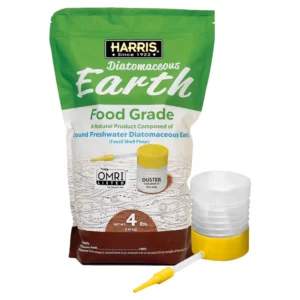
If you use diatomaceous earth, use a light dusting in dry areas where fleas hide, such as baseboards, under furniture, and along cracks where carpet meets the wall. Do not cake it on. More is not better. A thin, even layer is usually the right idea. In my experience, homeowners often lose time with powders and DIY remedies because they use them before fixing the pet treatment and vacuuming schedule. If the pet is still feeding fleas, powders alone rarely change the outcome.
Other DIY Dry Treatments Homeowners Ask About
Salt and baking soda get mentioned a lot in flea advice, and they can help a little in carpeted areas by drying out some exposed flea stages. If you try them, use a light application, work them gently into the carpet fibers, let them sit for several hours, and vacuum thoroughly.
That said, I would treat both as backup tools, not primary solutions. In real infestations, they are much less important than pet treatment, daily vacuuming, and washing bedding. They may help reduce activity in the short term, but they will not solve a flea problem on their own.
There is also a safety angle here. Fine dust can irritate eyes and lungs, so use it with care and keep pets and kids away from treated areas until the dust settles. Also, if you are treating pet areas, make sure the product is labeled appropriately for the intended use. A little caution goes a long way here. Natural does not automatically mean harmless, and a practical flea plan is always safer than a desperate one.
5. Set Up Flea Traps for Monitoring
Flea traps are useful, but mostly as a monitoring tool. They help you see whether fleas are still active, and they give you a simple way to check whether the population is dropping over time. Adult fleas are attracted to warmth and light, which is why a simple DIY trap can be made with a light source over a shallow dish of soapy water.
This is basically the classic dish soap flea trap homeowners use to monitor activity in the rooms where fleas are most active. It works best in bedrooms, living rooms, and near pet sleeping areas. The point is not to believe the trap is the solution.
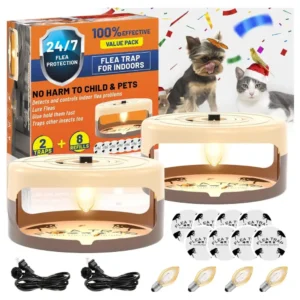
In real infestations, flea traps are best used as a progress check, not as a primary control method. If you rely on traps without fixing the pet and carpet side of the problem, they will not make much difference.
The point is to use it like a thermometer. If you are still catching fleas nightly, the infestation is not under control yet. If the trap goes quiet after a few days of treatment and cleaning, that is a good sign that the plan is working.
One practical note: keep traps out of reach of children and pets. Use them in places where you can check them easily and clean them safely. The goal is useful information, not a room full of half-working gadgets.
6. Use Essential Oil Repellents Very Carefully
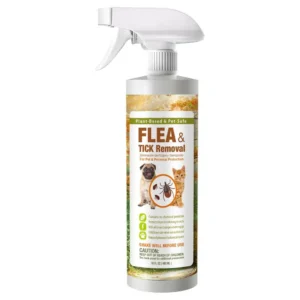
This is where caution matters more than enthusiasm. The ASPCA’s safety guidance on essential oils around pets makes it very clear that concentrated oils can be dangerous, especially for pets that groom themselves or are sensitive to airborne exposure. Cats in particular can be more vulnerable than many homeowners realize.
If you decide to use essential oils at all, keep them away from direct pet contact and never apply them to your pet unless your veterinarian specifically says to do so. Even a few drops of certain oils can cause trouble if they are concentrated. I also would not diffuse concentrated oils in small enclosed rooms where pets spend time, and I would avoid applying them anywhere near pet bedding unless a veterinarian says it is safe.
If a pet shows drooling, vomiting, lethargy, tremors, or breathing problems after exposure, call your veterinarian right away. For most homes, it is smarter to rely on proven flea control tools first and use scent-based products only if you know they are safe in your household. The stronger the flea problem, the less I would depend on oils. They are not the backbone of a good flea strategy.
7. Don’t Forget About Your Yard
If fleas keep coming back, the yard may be feeding the problem. Outdoor flea issues usually show up in shady, protected spots where pets rest or where wildlife passes through. That is the real lesson here. If fleas are living in the yard, the house is not the only battlefield.
In most homes, the goal is not to treat everything equally. It is to find where the flea pressure is actually strongest.
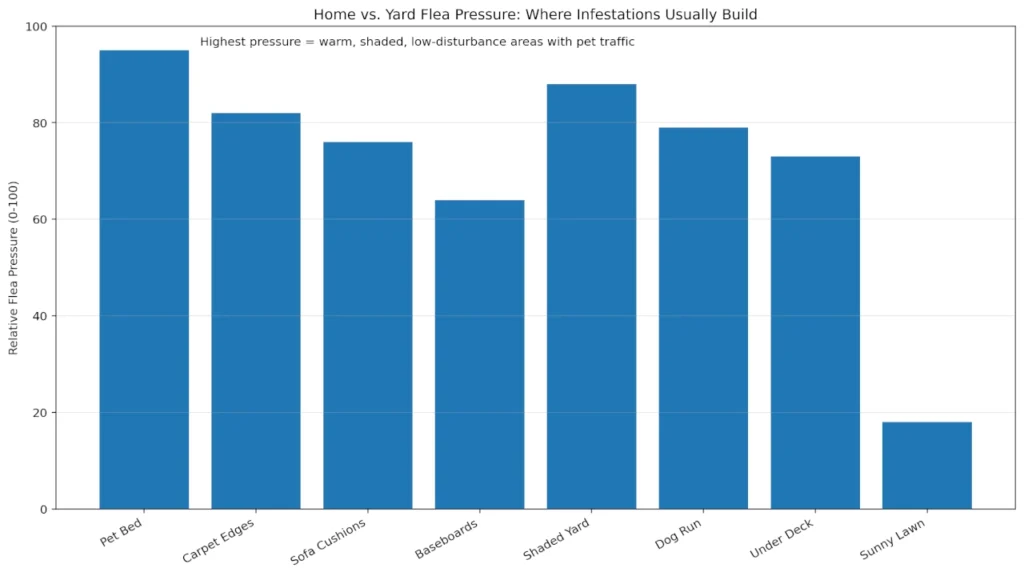
Outdoor treatment should focus on shady areas, pet rest zones, under decks, along the foundation, around dog runs, and other spots where humidity and shelter help flea immature stages survive. If you have low vegetation around pet sleeping areas, trimming it back can help because more sunlight and airflow make those areas less friendly to fleas.
If you want a lower-chemical outdoor option, beneficial nematodes can help in some yards. These microscopic organisms are often used in shaded soil areas where flea larvae develop. I see them as a support tool, not a miracle fix. They can make sense around pet rest zones, under decks, and other moist, protected spots, but they work best when the yard stays properly watered and the flea problem on the pets is already being addressed.

You do not usually need to blast the entire lawn. The smarter move is to target the exact places where pets rest, where animals travel, and where shade and moisture make flea survival easier. Keep grass trimmed, avoid overwatering, remove debris, and reduce access for stray or wild animals by limiting food sources and shelter. That is how you make the yard less welcoming instead of just spraying and hoping.
If you are also trying to figure out whether a general insect spray will help, read our breakdown on whether bug spray can kill fleas. In most cases, random bug spray is not enough to solve the full infestation cycle.
8. Consider Professional Help
There is a point where a good do-it-yourself plan still needs backup. If the infestation is heavy, keeps coming back, or is spreading through multiple rooms, professional help can save time and reduce mistakes.
Professional flea treatments usually work best when they target both the adult fleas you can see and the immature stages you cannot. That is why many effective service plans include an insect growth regulator (IGR) along with the main treatment to help break the breeding cycle.
That said, a professional is not a substitute for cleaning. This is one of the biggest misconceptions homeowners have. If pet bedding, carpets, and hidden corners are still full of eggs and larvae, the infestation can keep recycling even after a good treatment. The best results come from teamwork between you and the pro.
One thing homeowners should know before scheduling service is that seeing a few fleas after treatment does not always mean the job failed. In many homes, new adult fleas can still emerge for 7 to 14 days after the first treatment because protected pupae were already in the carpet or furniture. That is normal. The key is whether the activity is steadily dropping, not whether every flea disappears on day one.
Pricing varies by home size, severity, and whether outdoor treatment is included, but professional flea service often costs more than homeowners expect because it may require follow-up visits. If you are comparing quotes, ask whether the service includes an insect growth regulator, whether pet areas are included, and whether a second visit is part of the plan.
I especially like professional help when there are health concerns, multiple pets, very young children, or a homeowner who has already tried the basics and is still seeing fleas. In those situations, a well-structured treatment plan is worth more than one more round of guessing. Sometimes the smartest move is simply to stop wrestling with it alone.
If you want more practical pest advice for common household infestations, you can also browse the main Spade Pest Control home resource center.
When Fleas Keep Coming Back After Treatment
If fleas seem to come back after you already started treating, it usually means the life cycle was interrupted but not fully broken yet. In most homes, one of these issues is the reason:
This is the pattern many homeowners mistake for a failed treatment, even when the plan is actually working.
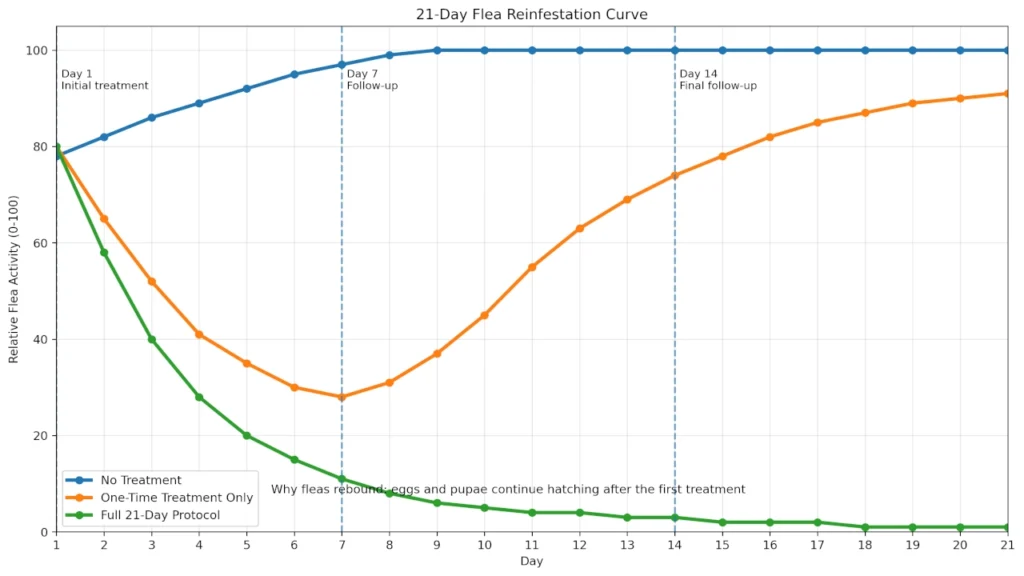
If fleas show up again 7 to 14 days later, that does not always mean the treatment failed. Very often, it means new adults emerged from protected life stages after the first round. That is why follow-up matters so much.
Safety Notes Before You Treat Fleas
Before you start throwing products at a flea problem, keep a few safety basics in mind:
- Never use a dog flea product on a cat unless the label clearly says it is safe for cats.
- Always match flea treatments to the pet’s species, age, and weight.
- Keep kids and pets out of treated areas until sprays are dry or dusts have settled.
- Use dust products lightly and avoid breathing them in.
- Do not mix multiple flea products on a pet unless your veterinarian specifically tells you to.
- If your pet shows signs of a bad reaction after treatment, call your veterinarian right away.
- If flea bites cause severe swelling, trouble breathing, or a strong allergic reaction in a person, seek medical care.
This article is for informational use and does not replace veterinary advice for pet treatment decisions.
Also Read:
Plan for Long-Term Success
This is the part people skip, and it is why fleas return. Once you knock the population down, keep going. In most homes, that means continuing daily vacuuming and regular bedding cleanup for at least another 10 to 14 days after the bites start improving. Long-term success is really about habits.
Vacuuming should not end the moment you feel better. Pet bedding should keep getting washed. Pets should keep getting checked. Outdoor shelter spots should stay less inviting. The whole house should be treated like a system, not a one-time project. Fleas win when you relax too early. They lose when the cleanup stays consistent long enough to break every stage of the cycle.
A good way to think about it is this: the first pass gets the visible problem under control, and the next few weeks are what keep it from returning. That is the difference between temporary relief and actual elimination.
Final Thoughts
If you are dealing with fleas right now, do not let the problem trick you into thinking it is bigger than it is. It is stubborn, yes. It is messy, yes. But it is absolutely manageable if you treat the pet, clean the home, use heat where it makes sense, use dry desiccant treatments carefully, monitor with traps, stay cautious with essential oils, and deal with the yard if it is contributing to the cycle.
The big mistake is trying one step and calling it done. The winning move is stacking the right steps in the right order and sticking with them long enough to break the life cycle.