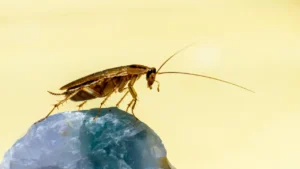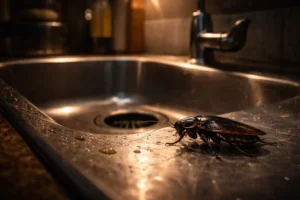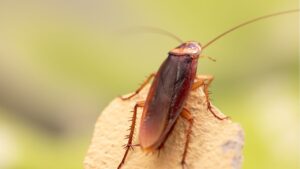
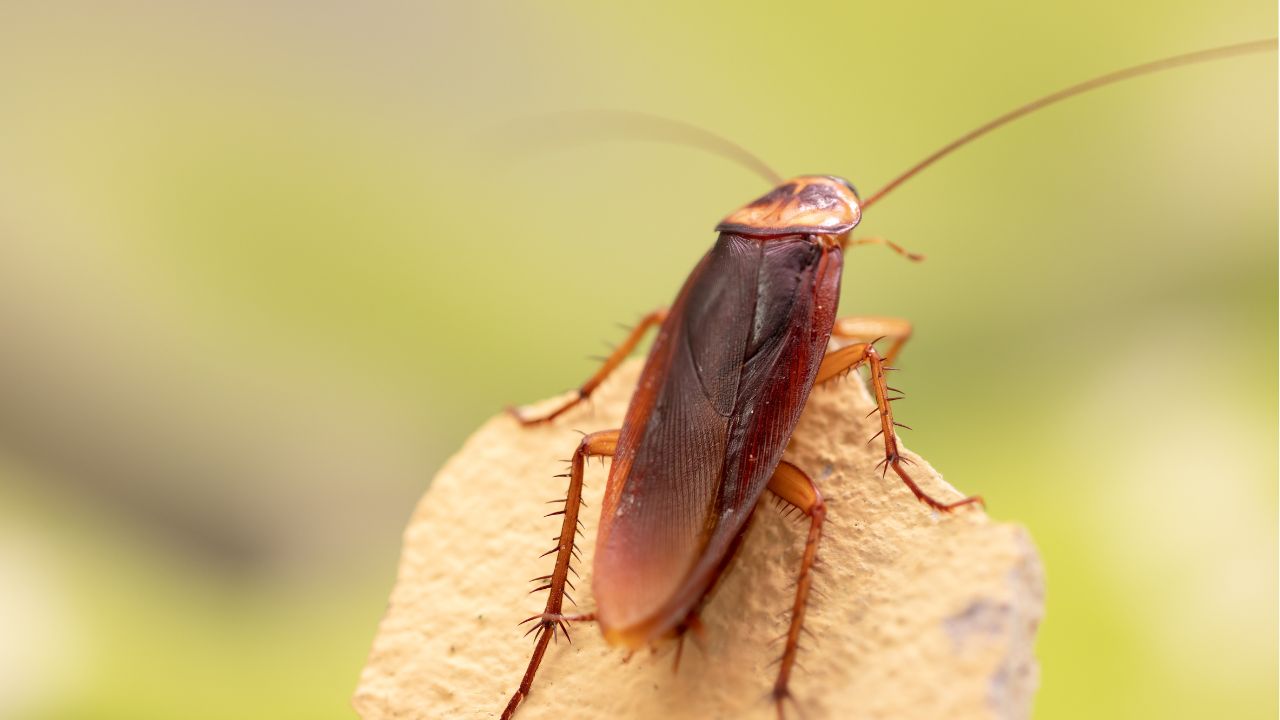
If you’re reading this with a cup of coffee in hand and a roach or two on your mind, you’re not alone. Cockroaches are survivors — they squeeze into tiny cracks, emerge at night, and make you rethink that midnight snack. The good news is they aren’t invincible.
There are smells and household habits they strongly dislike, and while none of these single-handedly guarantees complete eradication, used together they can make your home a very uncomfortable place for roaches.
In this article I’ll walk you through the scents, oils, and everyday items cockroaches avoid, explain why they work, and give you practical tips you can use tonight. I’ll also be honest about limits: some remedies help repel, others only mask the problem, and real control comes from combining repellents with cleanup, sealing, monitoring, and targeted treatments.
Think of this as a friendly how-to from someone who’s seen thousands of infestations and wants you to win — with less spraying and more common sense.
Also Read: Spadepestcontrol Blog
What Do Cockroaches Hate?
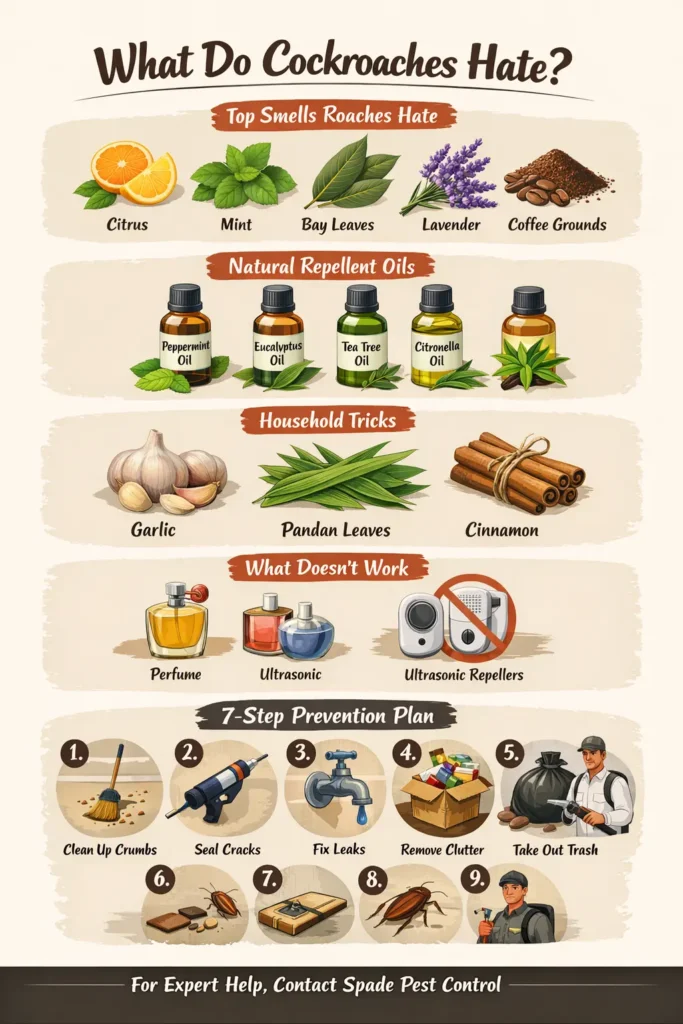
Cockroaches hate strong, unfamiliar smells like citrus, peppermint, eucalyptus, bay leaves, and cinnamon because these scents disrupt how they find food and communicate. These smells can reduce roach activity and discourage new ones from settling, but they will not eliminate an infestation on their own. The most reliable results come from combining repellents with cleaning, sealing entry points, traps, and baiting.
| Scent / Substance | Why Cockroaches Hate It | Best Method of Use | Key Safety/Effectiveness Note |
| Citrus (Lemon/Orange) | Contains limonene & citral which disrupt their nervous system | Clean surfaces with juice/peel infusion; place peels in cabinets | Great for cleaning; scent fades quickly, needs frequent refresh. |
| Peppermint & Mint Oils | Overwhelming menthol scent masks food trails & confuses senses | Spray (10-15 drops oil in water) along baseboards & entries | Very effective repellent; avoid around cats. Reapply every few days. |
| Bay Leaves | Contain eucalyptol, a compound they find repulsive | Crush dried leaves to release scent; sprinkle in cabinets & pantries | A passive, long-lasting deterrent. Replace every few weeks. |
| Cinnamon | Pungent, spicy aroma irritates and repels them | Sprinkle powder or place sticks in problem areas. | Quick Tip: Mix cinnamon oil with water in a spray bottle for a more potent barrier along windowsills. |
| Garlic | Strong sulfur compounds act as a natural insect repellent | Create a spray with crushed garlic & water; place cloves in corners | Strong odor for humans too. Good for targeted, temporary use. |
| Eucalyptus Oil | High cineole content is a powerful repellent and can interfere with their ability to breathe | Dilute with water and spray in damp areas like under sinks | Potent scent. Ensure good ventilation during use. |
| Tea Tree Oil | Strong antiseptic aroma disrupts communication and repels | Mix with vinegar and water for a powerful cleaning/spray solution | Toxic to pets if ingested. Use cautiously in homes with animals. |
| Cypress & Cedarwood Oil | Woody phenols mask cockroach pheromone trails | Soak cotton balls and place in closets, attics, or storage boxes. | Excellent for protecting stored items and fabrics. |
| Diatomaceous Earth (DE) | Not a scent – fine powder scratches waxy exoskeleton, causing fatal dehydration | Lightly dust a thin layer in dry areas behind appliances & wall voids | Must stay bone-dry to work. Use food-grade only. Non-toxic. |
| Professional Intervention | For established infestations – targets nests, eggs, and hidden populations that DIY can’t reach. | Contact a licensed pest control professional for assessment. | Essential when repellents and baits fail. Provides a long-term solution. |
Why Smells Matter — and What They Do to Cockroaches
Cockroaches find their way around using smell and touch. Strong, unfamiliar odors can disorient them, interfere with chemical signals, or simply make an area unattractive. That’s why certain herbs, essential oils, and household items seem to “repel” them.
But it’s important to be realistic: smells can reduce activity and discourage newcomers, yet very large or established populations usually won’t vanish from scent alone.
For lasting control, smells are best used alongside sanitation, exclusion (sealing entry points), traps, and baits — the integrated pest management approach recommended by pest experts and public health agencies.
How to Think About Natural Repellents vs Professional Control
Before we dive into the individual smells, let me be clear: scientists and extension services repeatedly show that sanitation, baiting, and IPM (integrated pest management) are the backbone of cockroach control.
Smells and essential oils can help reduce sightings and act as a deterrent, but many are short-lived and need frequent reapplication.
In my experience, scent-only approaches delay real control in most indoor infestations and often give homeowners a false sense of progress if baits and sanitation are not used at the same time.
When infestations are heavy, professional baits, dusts, and targeted work are often required. That said, if you pair repellents with cleaning, sealing cracks, removing water sources, and monitoring with traps, you greatly reduce the chance that roaches will settle and multiply.
A Real-World Example From the Field
A few years ago, I worked with a homeowner who was convinced peppermint oil had solved their cockroach problem. They had been spraying baseboards weekly and using citrus peels in cabinets. Sightings dropped fast, which felt like a win.
But when I placed sticky monitors behind the fridge and stove, the traps filled up within days. The roaches had simply shifted deeper into wall voids and appliances, where the smells never reached. Once we added gel bait in cracks, sealed gaps around plumbing, and reduced moisture under the sink, activity dropped steadily over three weeks.
The takeaway was simple. Scents helped reduce surface activity and made the home feel better to live in, but real control only happened once food access, hiding spots, and reproduction were addressed. That pattern is extremely common in indoor infestations, especially with German cockroaches.
Citrus — Why Roaches Hate It
Citrus peels and citrus oil smell fresh to us but sharp and unpleasant to roaches. The oils in citrus — like limonene — are concentrated in peels and rinds and disturb roaches’ sense of smell.
You can tuck dried citrus peels in cupboards, under sinks, and in corners where roaches hide. Fresh peels work for a day or two but will rot; dried peels last longer and are less messy.
Quick Tip
Save orange or lemon peels, dry them in the sun or oven at low heat until crisp, then place the dried peels in breathable sachets inside cabinets. Replace every 2–3 weeks or when the scent fades. This keeps the area smelling fresh for you and unpleasant for roaches.
Mint — The Cool, Sharp Deterrent
Mint (spearmint or peppermint) contains menthol and similar compounds that many roaches dislike. Peppermint oil mixed with water and sprayed lightly along baseboards can reduce roach activity temporarily.
Growing mint in pots near entry points can also help, though mint is invasive in soil — stick to containers.
Note: oil sprays need reapplication and won’t reach hiding roaches in wall voids or appliances. Use them as part of a layered defense: mint sprays for visible perimeter lines plus traps and baits inside.
Pandan Leaves — A Regional, Natural Trick
If you’ve lived in parts of Southeast Asia, you may already know pandan leaves are used for scenting rice and clothing cupboards. Pandan has a distinct aroma that repels various insects, cockroaches included.
Tuck fresh or dried pandan leaves into cabinets or storage boxes. They’re safe around food (but don’t put them directly in food), and they smell pleasant to humans while being off-putting to roaches.
Practical note: pandan needs to be replaced frequently if fresh. Dried leaves last longer but will not be as potent.
Lavender — Pleasant for You, Unpleasant for Roaches
Lavender has linalool and related compounds that many insects avoid. Lavender sachets in closets and cabinets are a gentle, household-safe deterrent.
Lavender essential oil in cotton balls can be placed in cupboards to deter light activity. Again, this is not a cure for a serious infestation but a useful part of prevention.
Bay Leaves — Classic Kitchen Trick
Bay leaves have a strong aroma cockroaches dislike. Tucking bay leaves in pantry corners, drawers, and under sinks can reduce roach visits to those immediate spots. Many people report short-term success with bay leaves, especially for deterring roaches from stored dry goods. As with other botanicals, bay leaves fade over time and must be refreshed.
Safety note: Bay leaves are fine around food storage but replace them if they become mouldy or damp.
Cinnamon — Aromatic, Warming
Cinnamon has aromatic oils that are irritating to roaches. Ground cinnamon sprinkled where roaches walk can act as a light barrier, but powdered spices can be messy and attract curious pets or children.
Quick Tip
Make a cinnamon sachet. Put a tablespoon of ground cinnamon into a small cloth bag or tea strainer and place it in cabinets and corners. It gives off a steady scent without the mess of loose powder. Replace sachet monthly.
Cypress Oil — Concentrated Repellent Power
Cypress essential oil is one of the stronger-smelling oils that can disrupt roach behavior. A few drops on cotton balls placed in problem areas or diluted into a spray can help keep roaches away temporarily. Because essential oils are potent, use them sparingly and avoid direct contact with pets or children.
Practical advice: Dilute essential oils in plenty of water and test a small area first to avoid surface damage or staining.
Eucalyptus — Medicinal Smell That Bugs Avoid
Eucalyptus oil contains compounds that are unappealing to cockroaches and several other insects. It’s used in sprays and sachets for household repelling. Again, eucalyptus works best as a deterrent along with cleaning and exclusion. If you use eucalyptus oil, keep it away from pets that may be sensitive to strong essential oils.
Peppermint Oil — A go-to For Many Homeowners
Peppermint oil is widely promoted for repelling cockroaches because of its menthol content. A light spray of diluted peppermint oil around baseboards and entry points can reduce activity, and cotton balls with a few drops work well in cabinets. The scent masks the kitchen smells that attract roaches and makes the area less attractive overall. Reapply weekly or when scent fades.
Garlic — Powerful Smell, Mixed Results
Garlic’s sulfurous compounds are strong and unpleasant to many insects. Homemade garlic sprays (crushed garlic steeped in water, strained and sprayed) are sometimes recommended. They smell awful to us too, and their effect on roaches is mostly short-term. Garlic sprays may work in a pinch outdoors or in non-food areas, but they’re not elegant or long-lasting.
Citronella Oil — More Than Mosquito Defense
Citronella is famous for chasing mosquitoes, but it also bothers cockroaches. Use citronella in diluted spray form or in candles and diffusers away from food prep areas. As with other oils, use citronella as an auxiliary deterrent, not the primary control method. If you have pets, check safety guidelines; some oils can be harmful.
Coffee Grounds — Myth and a Little Reality
Used coffee grounds often get mentioned as a roach deterrent. Fresh, hot coffee smell can confuse pests, but used grounds are typically damp and can attract pests or mold if left in place. If you try coffee, dry the grounds completely and place them in a small dish in an outdoor area — and don’t expect dramatic results. In general, I don’t recommend used coffee grounds as a reliable roach repellent.
Tea Tree Oil — Antiseptic Smell That Roaches Dislike
Tea tree oil (melaleuca) is another essential oil people use against roaches. It has antiseptic properties and a strong scent that some pests avoid. Dilute it heavily before spraying and avoid use where pets may lick or inhale concentrated oil.
What About Perfume?
Perfume may temporarily confuse or mask scents that attract roaches, but it won’t stop them from living where there’s food, water, and hiding spots. Perfume is expensive, short-lived, and designed for people — not pest control. Don’t rely on perfume as a repellent. If anything, heavy fragrances can wear off quickly and do little to nothing for population-level control.
What’s Next — Practical Plan to Use Smells Effectively
Smells help, but they are only one part of a good plan. Here’s a simple, realistic sequence you can use tonight and over the next weeks:
- Clean: remove crumbs, grease, and food residue. Empty pet bowls at night and wash dishes. Cockroaches can survive on tiny crumbs, so thorough cleaning matters.
- Remove water: fix leaks, dry sinks, and don’t leave standing water. Cockroaches need water and are often drawn to damp places.
- Seal: use caulk to close cracks around pipes, baseboards, and doors. Block holes around utility penetrations.
- Monitor: place sticky traps in kitchen corners and behind appliances to assess activity. Traps tell you whether scents and cleaning are working.
- Use baits: apply gel baits in cracks and under appliances (where you see roach traffic). Baits are more effective long-term than sprays for indoor German roaches.
- Add deterrents: place citrus sachets, lavender or bay leaf sachets, or cotton balls with a few drops of peppermint or eucalyptus oil in cabinets and corners. Reapply or refresh weekly.
- Re-assess: after two weeks, check traps. If counts are falling, keep up the program. If not, consider professional help — especially for large infestations.
Practical Recipes and Dosages You Can Make at Home
If you want to make a spray that’s safe for countertops (test first), try this for a natural deterrent:
Mix 1 liter (approx. 34 fl oz) of warm water with 20–30 drops of peppermint oil (or a mix of peppermint + eucalyptus). Put in a spray bottle and lightly spray baseboards, behind appliances, inside cabinets (not on food). Reapply weekly.
For sachets: fill a small muslin bag with dried citrus peel, a few bay leaves, and a teaspoon of dried lavender. Place in each cabinet and refresh every 2–4 weeks.
Important safety note: essential oils are concentrated. Keep them away from pets, children, and open food. Don’t apply oils directly to surfaces where food is prepared without wiping off after.
Real-World Effectiveness and Scientific Perspective
A cautious summary from entomology and public health research: strong smells and essential oils can reduce roach activity temporarily and are useful for prevention.
But long-term reductions in exposure and health improvements are most reliably achieved using integrated pest management: sanitation, exclusion, monitoring, baits, and professional intervention when needed.
Multiple peer-reviewed reviews and extension services emphasize that baits and IPM programs outperform DIY sprays and scent-only approaches for persistent indoor species like the German cockroach.
Also Read: How to Keep Cockroaches Away at Night
Safety and Pet-Friendly Advice
Many essential oils are toxic to cats and can cause problems for dogs if used improperly. If you have pets, use sachets rather than sprays, place them out of reach, or consult your veterinarian. It’s also important to know that essential oils are not EPA-registered insecticides. They act as deterrents, not population-level control tools. Keep powders (like boric acid) away from children and pets. When in doubt, rely on mechanical methods (sealing cracks, traps) and professional advice.
When to Call a Professional
If you find multiple life stages (adults, nymphs, ootheca/case) in traps, or baiting and sanitation don’t reduce numbers after a few weeks, it’s time for professional help. Professionals use targeted baits, dusts in wall voids, and knowledge of roach biology that typically outpaces DIY attempts.
Don’t wait if you have asthma sufferers in the home: cockroach allergens are linked to asthma exacerbations in children, and reducing exposure quickly is important.
Honest bottom line
Smells can help. They can make your kitchen and cabinets less attractive and reduce roach sightings. But they don’t replace sanitation, exclusion, monitoring, and baits. Use scents as a friendly deterrent and comfort measure, and combine them with proven IPM steps — that’s how you win the long game.
Frequently Asked Questions
View Sources
- University of California IPM — Cockroaches (practical IPM and species info). Link.
- PubMed Central review — Assessment of Environmental Cockroach Allergen Exposure (on health links to asthma/allergy). Link.
- U.S. EPA — Cockroaches and Schools / IPM resources (why sanitation and integrated approaches are key). Link.
- NPMA / PestWorld resources (industry guidance and best practices). Link.