If wasps have turned your yard, patio, or porch into a place you avoid, you are not alone. Late summer and early fall are usually the worst, because many wasps start hunting hard for sugar, fruit juices, and easy food sources when their natural supplies change. That is why they show up around drinks, fruit, picnic tables, trash cans, and even certain flowers.
The good news is that some plants may help make your outdoor space less appealing. Not because they are magic, and not because a single pot of mint will solve a nest problem, but because strong scents, low pollen, and certain plant chemicals can make a yard feel less friendly to foraging wasps. A field study on pestiferous social wasps found significant repellency from essential oils linked to clove, pennyroyal, lemongrass, spearmint, wintergreen, geranium, citronella, thyme, and peppermint, which gives homeowners a much better starting point than garden folklore alone.
Also Read: How To Get Rid of Spider Crickets (Fast and Permanently)
Quick Answer: Plants That Repel Wasps
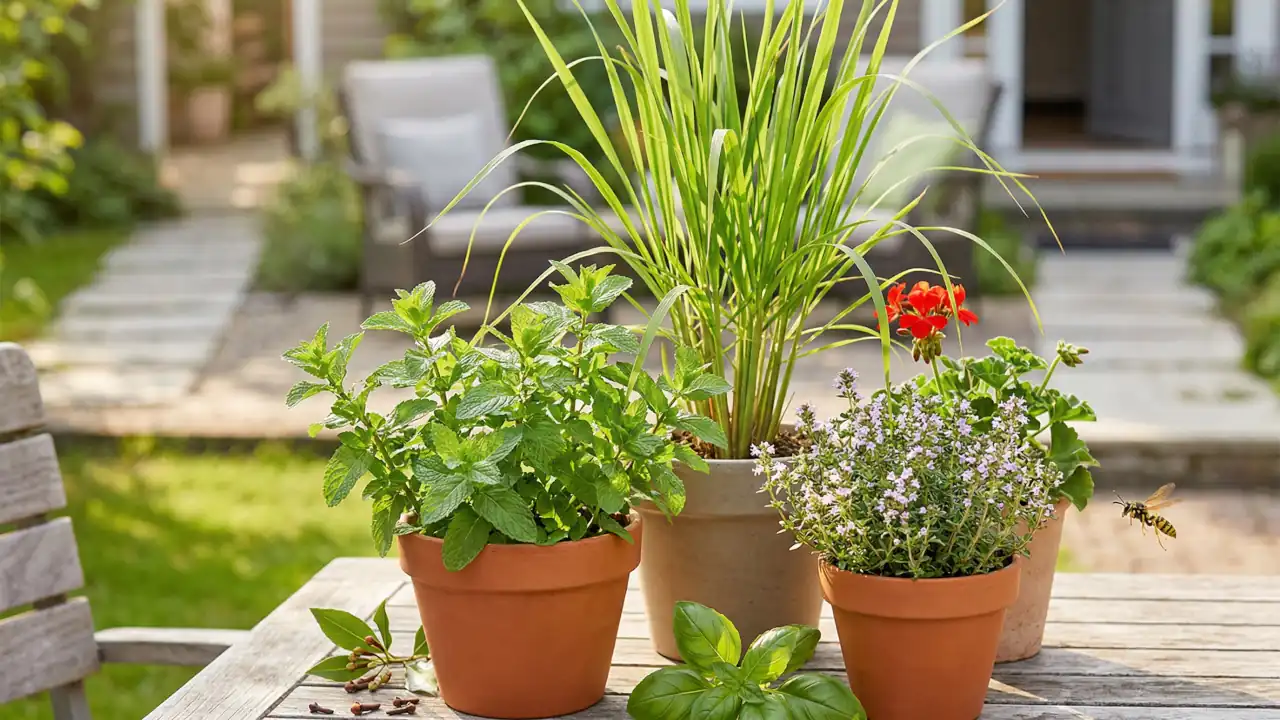
Some plants that repel wasps may help reduce wasp activity around patios, porches, and outdoor seating areas, especially strong-scented choices like peppermint, spearmint, lemongrass, thyme, citronella, basil, geranium, and pennyroyal. They work best by making patios, porches, and food-heavy outdoor areas less attractive to foraging wasps, but they will not solve a nearby nest. For the best results, place them close to where people sit and pair them with cleanup, covered drinks, and sealed trash.
Best starter picks: Peppermint, spearmint, lemongrass, thyme, basil, citronella, red geranium, and pennyroyal (with caution around kids and pets).
The 5 Best Wasp Repellent Plants to Start With
If I had to keep this simple for one patio or porch, I would start with peppermint, spearmint, thyme, lemongrass, and citronella. Those five give you the strongest mix of strong scent, easy placement, and realistic usefulness around the spots where wasps usually become a problem.
What Actually Helps, Before You Plant Anything
Wasps are not just random troublemakers. They are hunting for food and, depending on the species, that can mean nectar, fruit, sweet drinks, meat, and other protein sources. In late summer and early fall, yellowjackets in particular become much more interested in sugary foods and easy outdoor meals, which is why they suddenly seem to take over patios and picnic areas. That is why a plant-based approach works best when you also keep food covered, wipe spills fast, and remove attractants near the house. Plants can help with the “why are they hovering here?” part, but cleanup still matters.
Also, it helps to be realistic. Some plants repel wasps mainly because of their smell. Some help because they produce very little pollen. A few are really trap plants that catch insects instead of repelling them. In other words, the best result usually comes from mixing a few strong-scented plants near the areas where people sit, eat, and walk.
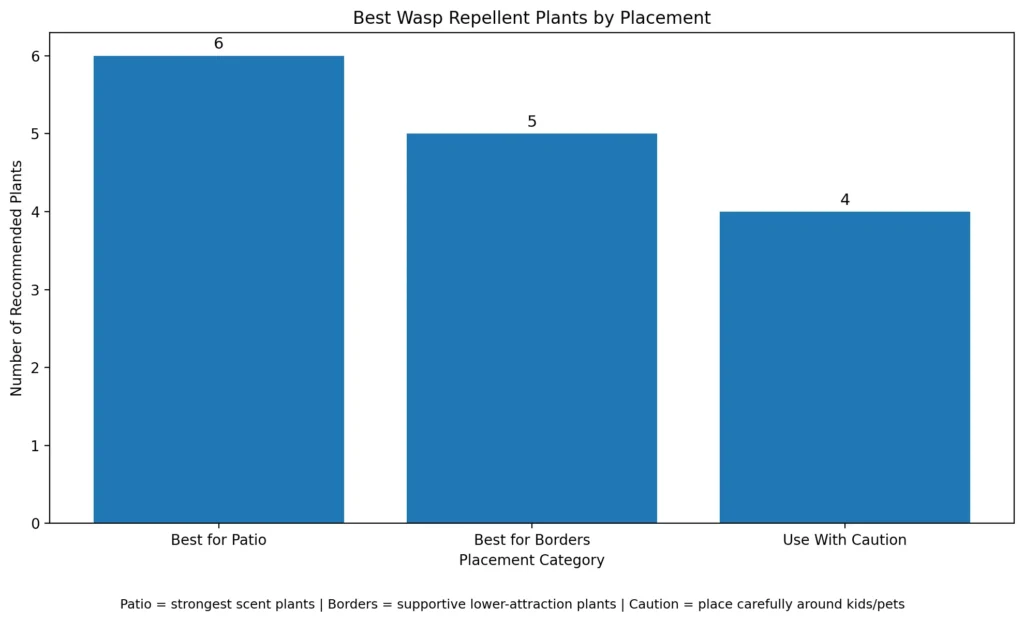
Before you start planting, this quick visual guide makes it easier to see which plants work best as strong scent repellents, which ones are better as support plants, and which ones should be used more carefully.
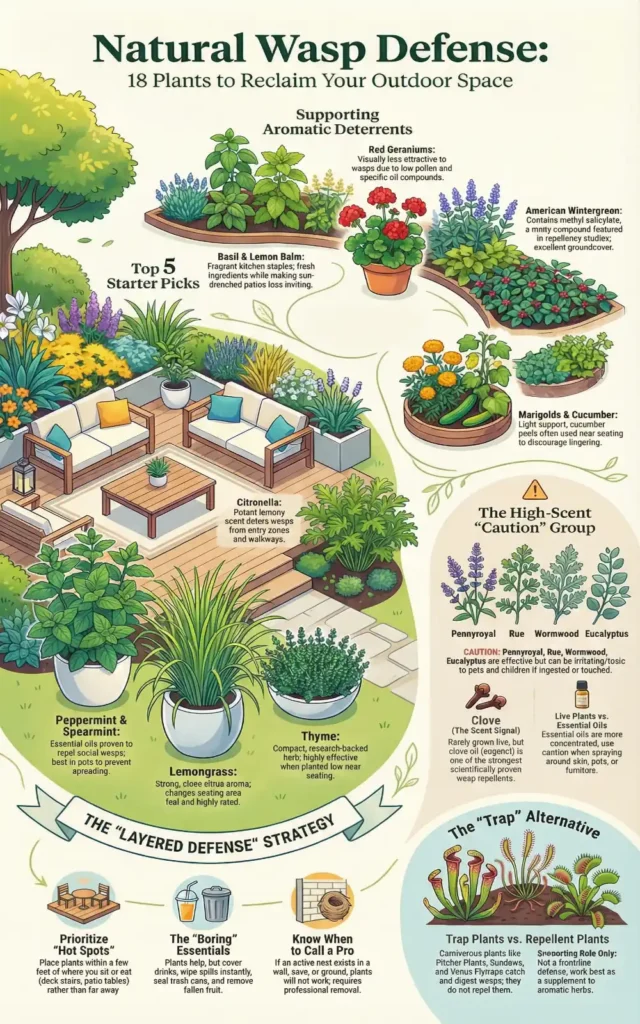
One important distinction: these plants help most when wasps are foraging around food, drinks, fruit, or trash. They are much less useful when you have an active nest under an eave, inside a wall void, or in the ground near a patio. If a nest is close to where people walk or sit, plant choice becomes secondary to nest removal or professional treatment.
In real yards, I usually see the best results when the problem is not “too many wasps everywhere,” but one specific hot spot — usually a back deck, a patio table, or the trash-can corner near the house. In those cases, moving a few strong-scented plants like peppermint, thyme, or lemongrass close to the problem area can reduce hovering, but only if the food attractants are cleaned up too. The plants help, but the cleanup usually does the heavy lifting.
The 18 Wasp Repellent Plants I Would Start With
1. Spearmint
Spearmint is one of the easier plants to recommend because it has a clean, strong scent and it shows up in wasp-repellency research as part of the mint family. In the field study on social wasps, spearmint was among the essential oils that showed significant repellency. In the garden, the plant is best placed where you want the scent to matter most, like a patio edge or near a doorway.
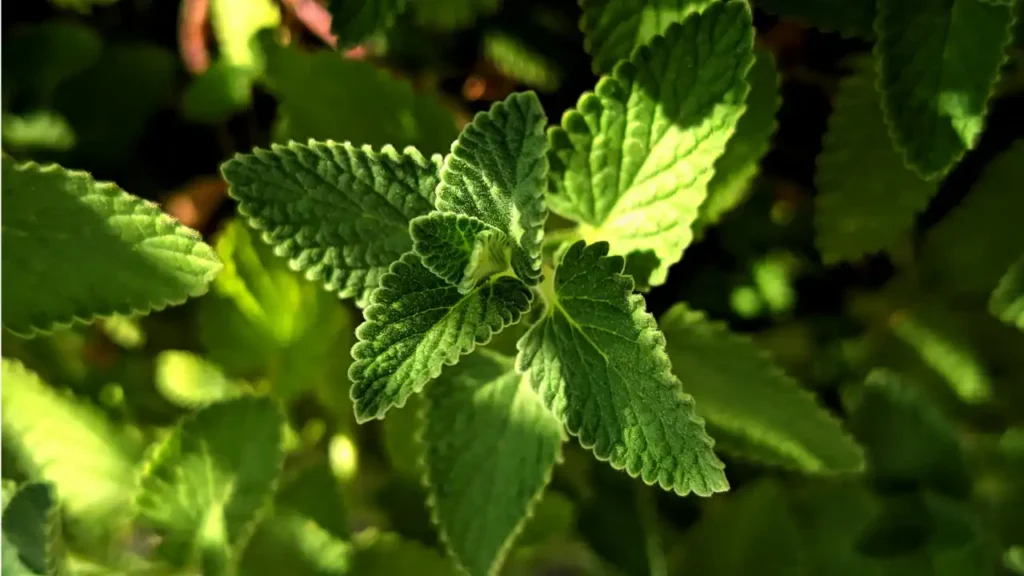
I like spearmint in pots because mint spreads fast. That is useful if you want coverage, but not so useful if you want control. A pot on the porch gives you the scent without letting it take over your beds.
2. Lemongrass
Lemongrass is one of the classic choices for natural wasp control because its lemony aroma is strong enough to change the feel of a seating area. It also appeared in the wasp repellency study, which is one reason it keeps showing up in good garden advice. Plant it near the patio, not tucked away in a far corner where nobody benefits from the scent.
It is a good plant for people who want something that looks tidy and feels intentional. Lemongrass can work especially well in containers, where you can place it exactly where the problem is happening.
3. Peppermint
Peppermint is the heavy hitter in many natural pest-control conversations. The reason is simple: it smells strong, and wasps do not seem to like that kind of fragrance. Peppermint also showed significant repellency in the wasp study, which gives it more than just garden folklore behind it.
Like spearmint, peppermint is best kept contained. A patio pot, windowsill planter, or border container makes it easy to enjoy the scent without letting the plant run wild. If you only plant one mint, peppermint is a safe place to start.
4. Basil
Basil is a smart choice because it is practical and useful, not just decorative. It is commonly recommended as a plant that may help deter wasps because of its strong smell, and the scent is more noticeable when the plant is healthy and growing in sun. That makes basil a nice fit for sunny kitchen gardens, deck containers, or a row beside a back door.
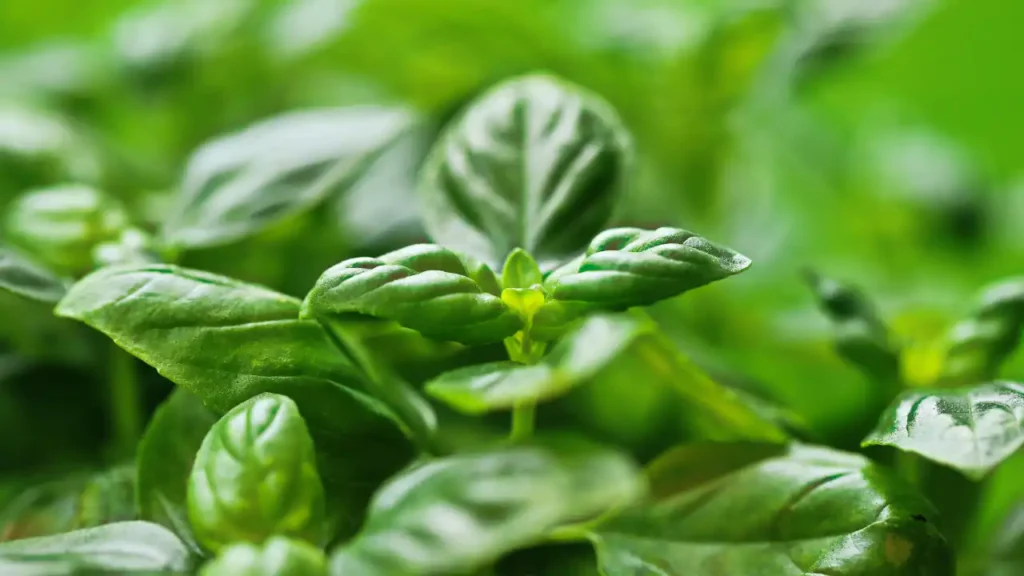
I also like basil because it pulls double duty. You get a plant that may help with wasps, and you get fresh leaves for food. That is the kind of trade most homeowners are happy to make.
5. Red Geranium
Red geraniums are popular for a reason. They look good, they are easy to place, and geraniums are often recommended because they have very little pollen and are not especially attractive to many pollinators. The wasp-repellency study also found geranium oil to be one of the significant repellents against social wasps, which strengthens the case for including them.
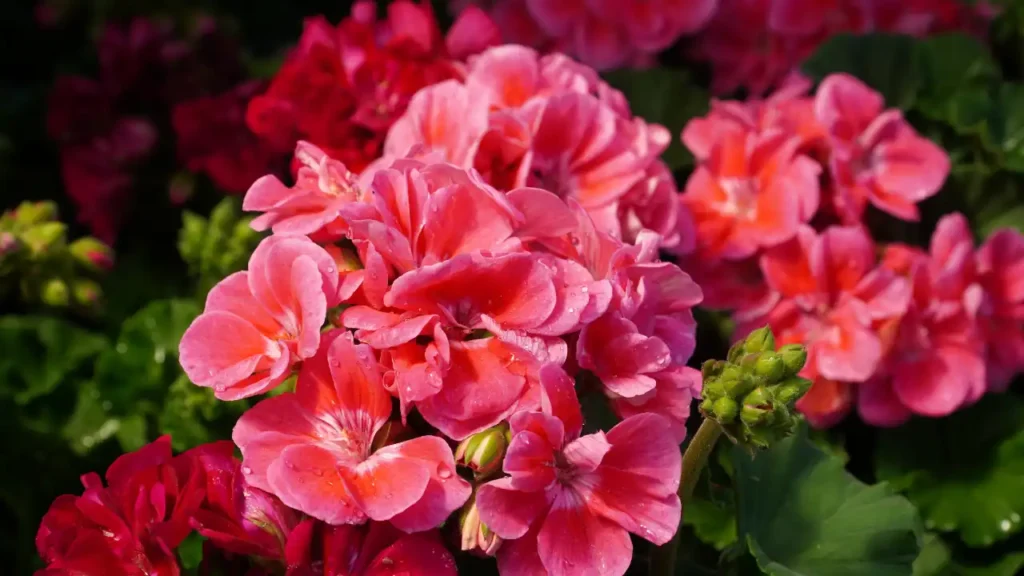
The red varieties get extra attention because they are often considered less visually attractive to bees than brighter nectar-heavy blooms in other colors. That does not make them invisible to wasps, but if you want a flower bed that feels prettier without drawing as much flying traffic, red geraniums are still a practical choice near outdoor seating.
6. Citronella
Citronella is a familiar name in pest control for a good reason. It has a strong lemony scent, and the wasp study found citronella oil to be repellent. That makes it one of the better-known choices for patios, walks, and entry zones.
A small caution matters here. Citronella plants and products are not the same thing, and the plant can be irritating for some people and pets. That does not make it useless, but it does mean you should place it with a little common sense.
7. Cucumber
Cucumber is more of a supportive garden choice than a top-tier wasp repellent, but I still think it earns a spot on the list. Homeowners often use cucumber peels around outdoor seating areas because the smell and plant compounds seem to make some wasps less interested in lingering nearby. I would treat that as a light helper, not a serious stand-alone solution.
What makes cucumber useful is that it fits naturally into a summer garden, especially near patios or outdoor eating areas where wasps tend to show up. If you already grow it, it can support the overall strategy without asking you to dedicate space to something purely ornamental.
8. Pennyroyal
Pennyroyal is one of the stronger-scented mint relatives, and the wasp repellency study included it among the essential oils that significantly deterred social wasps. It also shows up repeatedly in natural gardening advice as a plant that wasps and yellowjackets tend to avoid.
This plant is a classic example of why scent matters. It is not subtle, and that is the point. The same thing that makes pennyroyal useful in a repellent garden also means you should be careful with placement and with pets, because very strong aromatic plants are not always harmless companions.
9. Marigold
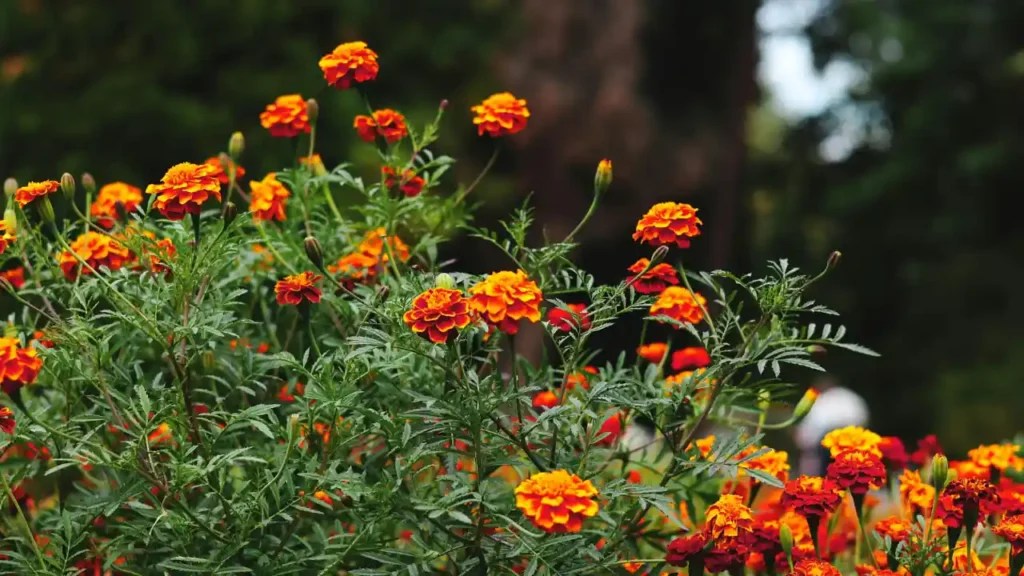
Marigolds are one of the easier support plants for a yard because they are easy to grow, easy to place, and have a scent many insects seem to dislike. I would not put them in the same top tier as peppermint, thyme, or lemongrass for wasp control, but they can still help make a patio border or walkway feel less inviting to foraging insects.
10. American Wintergreen
American wintergreen is a quieter option, but that does not mean it is unimportant. Wintergreen appears in the wasp repellency study, and the active compound methyl salicylate is one of the reasons it keeps showing up in natural repellent discussions. Its minty scent is one reason it keeps coming up in natural wasp-repellent discussions, especially for layered plantings near porches and walkways.
It is better as a supporting plant than a solo fix. Think of it as part of a border, a groundcover, or a layered planting around a porch rather than something you plant and then forget about.
11. Thyme
Thyme is one of the best all-around herbs for this topic because it is compact, useful, and strongly scented. The wasp study found thyme oil to be repellent, and garden guides consistently recommend thyme for keeping wasps from hanging around patios and beds.
Thyme works well because it can be planted low and close to where people sit. That matters. A repellent plant out by the fence is nice, but a repellent plant a few feet from your table is much more helpful.
12. Wormwood Herb
Wormwood has a reputation, and for once the reputation is useful. It is strongly aromatic, it is often described as a natural insect deterrent, and wasps are said to dislike its sharp smell. It is also one of those plants I would use thoughtfully, especially if children or pets spend a lot of time in the yard.
Wormwood can make an area less inviting to foraging insects, but I would still treat it as part of a layered patio strategy, not a stand-alone fix. I would place it in a pot near a patio entrance or along a pathway, where its scent can do the most good without causing trouble.
13. Lemon Balm
Lemon balm is one of the more pleasant plants to grow because it smells fresh, feels garden-friendly, and has a long history as an insect-repellent herb. It fits the same broad strategy as other lemon-scented and aromatic herbs that can make a patio feel less inviting to foraging insects.
I would place lemon balm in the “worth trying and easy to live with” category. It is not as direct a wasp deterrent as peppermint or clove, but it fits the same aromatic strategy and gives you a useful, well-behaved plant for containers or herb beds.
14. Ruta Graveolens
Ruta graveolens, or rue, is one of those plants people talk about with a little respect, and for good reason. It is known for its aromatic foliage, but it is also one of the more caution-heavy plants on this list. That strong scent is part of why it belongs in conversations about wasp repellent plants, but it is definitely not a carefree choice for every yard.
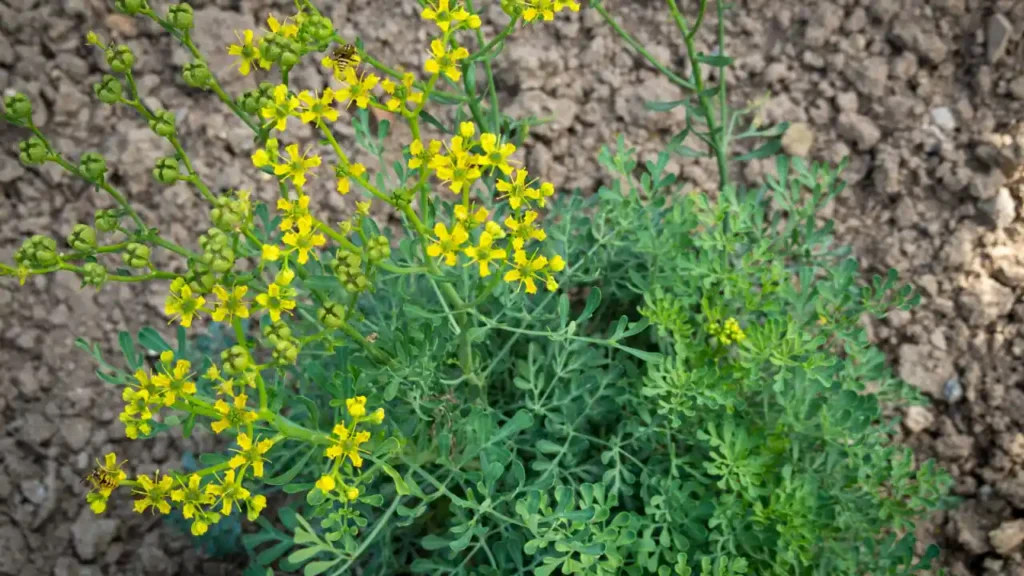
I would not plant rue casually. It has a place in a controlled, intentional landscape, especially if you want a border plant that smells sharp and keeps a little distance. But it is not a carefree family-yard plant, so placement and caution matter here.
15. Clove
Clove deserves to stay in this conversation because it has some of the strongest support behind it, even if most homeowners will use it more as a scent reference than as a common backyard plant. The wasp study found clove oil to be one of the more significant repellents, and the active compound eugenol is a big reason clove keeps showing up in natural wasp-control discussions. If you want to explore stronger scent-based options beyond live plants, clove is also featured in this guide to scents that wasps hate.
That said, I would be honest about how most people use clove. In a real home landscape, it is usually more practical as part of the scent strategy behind repellency than as the average homeowner’s first live plant choice. I still keep it in the list because the clove signal itself is one of the strongest in the entire discussion.
16. Eucalyptus
Eucalyptus is another strong aromatic option that gets attention in natural pest-control conversations because the scent is bold and tends to change the feel of an outdoor space. I would not rank it above peppermint or lemongrass for most homeowners, but it can still be useful as part of a broader repellent garden around patios and seating areas.
This is also one of the plants I would use carefully. Eucalyptus can be risky if pets or children chew on the leaves, so it belongs in controlled spots, not casual play areas. Think of it as a strong supporting plant, not the first thing I would recommend for a family patio.
17. Carnivorous Plants, Including Pitcher Plants, Sundews, and Venus Flytraps
These are not true wasp repellents. They are trap plants, and that distinction matters. Pitcher plants catch insects with slippery surfaces and digestive fluid, sundews trap insects with sticky hairs, and Venus flytraps close when prey triggers the trap. So, they do not make wasps avoid an area the way strong-scented herbs might.
I still think they are worth mentioning because homeowners often want every natural edge they can get, especially in small garden spaces. Just be realistic: these are interesting supporting plants, not serious front-line wasp control.
18. Ginger Mint
Ginger mint belongs in the same general strategy as spearmint and peppermint because it is still a strongly aromatic mint. Direct wasp-specific evidence is thinner for ginger mint itself, so I would not put it in the same top tier as peppermint, spearmint, or thyme, but it still makes sense as a supporting plant in a fragrant herb grouping near a patio or porch.
That is the practical answer with ginger mint. It is not my first pick for wasp control, but if you are building a container herb cluster for scent, it fits the method well.
Safety Notes Before You Plant Around Kids and Pets
A few of these plants deserve extra caution. Pennyroyal, rue, wormwood, and eucalyptus are not the first plants I would put in a yard where pets or small children regularly chew on leaves or play in planting beds. Citronella can also irritate some people and animals. If you want the safest starting point for a family patio, I would lean toward peppermint, spearmint, thyme, basil, lemon balm, and red geraniums first.
One more practical note: essential oils are much more concentrated than live plants. A plant in a pot is one thing. A strong oil blend sprayed around skin, cushions, pets, or doorways is another. If you use oils at all, treat them much more carefully than the plant itself.
How I Would Plant These for the Best Chance of Success
The best setup is simple. Put your strongest-scent plants where people actually stand and sit. That means patios, deck stairs, back doors, porch edges, and the corners near trash bins or outdoor dining areas. A few pots of peppermint, basil, thyme, and citronella will usually do more for day-to-day comfort than a distant flower bed filled with pretty plants that nobody passes by.
I would also mix plant types instead of relying on only one. A mint, a herb, a flower, and a border plant often work better together than a single “miracle” species. That layered approach matches the science better, because the wasp-repellent study found several different oils and compounds that mattered, not just one magic ingredient.
And keep the boring stuff in place too. Cover soft drinks, clean fruit scraps, trim overripe fruit, seal trash, and avoid leaving pet food outside. Plants help create a less inviting zone, but the food cues are often what pull wasps in first.
The Best Places to Put These Plants
If you want the best chance of seeing a difference and actually keep wasps away from a patio or porch, put your strongest plants where wasps actually bother people — next to patio seating, beside deck stairs, near outdoor dining tables, close to trash-bin zones, and near back doors. A nice herb bed out by the fence can still help, but the plants that sit within a few feet of the problem area usually do the most work.
Also Read:
When Plants Will Not Solve the Problem
If wasps are just cruising for food around the patio, plants can help a little. If there is an actual nest close to the house, the answer changes. A ground yellowjacket nest near a deck, a paper wasp nest over a doorway, or repeated wasp traffic into siding or soffits is not a planting problem. That is a nest problem.
If the nest is within easy reach of people, pets, or a main walkway, I would not rely on herbs and flowers to fix it. At that point, the safest move is removal, treatment, or professional help, especially if anyone in the home has a sting allergy.
If you want the fastest way to choose what to plant near a patio, border bed, or family space, this quick chart makes the best options easier to skim.
Final Thoughts
If you want the honest version, no plant guarantees a wasp-free yard. But the right plants can absolutely make a patio or porch less inviting when wasps are foraging for food, and they can be part of a smart natural wasp repellent strategy when used close to problem areas. The strongest options in this list are the aromatic herbs and scent-heavy choices, especially peppermint, spearmint, lemongrass, thyme, citronella, pennyroyal, geranium, and clove.
My practical advice is to keep it simple. Start with a few pots close to where you actually sit, eat, and walk. Then back that up with the boring stuff that really matters: covered drinks, quick cleanup, sealed trash, and no ripe fruit sitting out. That combination works much better than chasing a single miracle plant, and it follows the same common-sense thinking behind other eco-friendly forms of pest control.