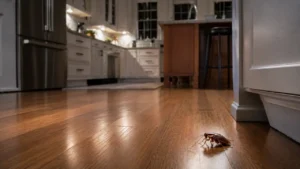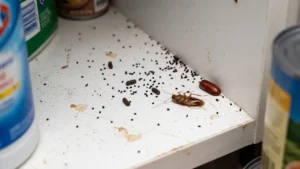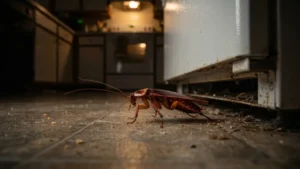

If you have roaches in the house, it is completely normal to start looking for fast fixes. Mothballs are one of those old-school ideas that people still talk about because they smell strong, seem powerful, and are easy to find. That leads to the big question: do mothballs keep roaches away, and can they do it permanently?
Here is the honest answer from real-world pest control experience: mothballs may repel roaches in very limited situations, but they are not a permanent roach solution. In many real infestations, they do not repel roaches at all once the insects have established a reliable food and water source. They are not designed to solve a home infestation, and using them the wrong way can create more problems than it solves. Mothballs are pesticides that release toxic vapors, and the label use is meant for closed containers, not open rooms or normal living spaces. That matters a lot.
That is why this topic gets misunderstood so often. People hear “repel pests” and assume mothballs work like a general roach control tool. They do not. In practice, roaches survive by hiding in cracks, feeding at night, and avoiding danger. Some homeowners also notice subtle signs like movement or faint sounds, which leads to questions like do cockroaches make noise when they are active inside walls or cabinets.
A smell alone usually does not remove the nest, the eggs, or the source of the infestation. At best, mothballs can annoy or displace some roaches in a confined space. At worst, they expose your home to chemicals you should not be breathing in. In real homes, I have seen people rely on strong-smelling products like mothballs for weeks, only to find the infestation spreading into new rooms because the root problem was never addressed.
Quick Answer: Do Mothballs Keep Roaches Away?
Mothballs do not keep roaches away permanently. At best, they may temporarily repel roaches in tightly sealed spaces, but they do not eliminate infestations. Because mothballs are designed for enclosed use and release toxic vapors, they are not a safe or effective solution for controlling roaches in living areas. The idea that mothballs are a reliable roach solution is one of the more persistent pest control myths.
The visual below breaks down why mothballs fail and what actually works in real homes.

Also Read: Do Cockroaches Make Noise? The Sounds Might Surprise You
What Are Mothballs?
Mothballs are pesticide products, not household deodorants and not generic pest bombs. In the United States, they usually contain naphthalene or paradichlorobenzene, and they are designed to slowly release gas that kills clothes moths and helps protect stored fabrics in sealed containers. That trapped vapor is the whole point. Once you put them in open air, the chemical escapes into the room instead of staying concentrated where it is supposed to work.
People sometimes use mothballs for all kinds of pests because the smell is so strong. This is also why many homeowners consider using mothballs for roaches, even though it is not what the product is designed for. But strong smell is not the same thing as effective pest control. A product can smell harsh and still be a poor fit for roaches, especially in kitchens, bathrooms, closets, crawl spaces, or anywhere people, children, and pets spend time. The EPA and NPIC both make it clear that the label legally controls how a pesticide should be used, and that guidance is based on how these products were tested for safety and effectiveness.
In pest control, we treat the label as the law because using a product outside its instructions can create safety risks and reduce effectiveness.
If you want to understand why some fabric pests are a better match for mothball use than roaches, it helps to compare the situations. Mothballs are often discussed in the same breath as clothes moths and similar storage pests, which is also why they sometimes come up in guides like get rid of carpet beetles. That does not mean the same approach is smart for cockroaches. Different pests need different tools.
Why Mothballs Don’t Work for Roaches in Real Infestations
The reason mothballs fail so often is simple. Roaches are not wandering around looking for a smell to obey. If you want a better idea of what actually repels or disrupts roaches, it helps to understand what do cockroaches hate in real-world conditions. They are looking for food, moisture, warmth, and shelter. A strong odor may bother them, but it rarely gets rid of the nest. If the kitchen sink leaks, crumbs stay on the floor, or cardboard piles keep adding hiding spots, the roaches have every reason to stay nearby and wait it out.

So, do mothballs keep roaches away permanently? No. That is the part many people wish were true, but it is not. You might get a short-lived effect in a sealed container or a tiny enclosed space, but permanent control takes a bigger plan. That is how real infestations behave in homes.
From a pest control standpoint, relying on smell-based deterrents alone is one of the least effective strategies for roach control.
This is one of the most common pest control myths, largely because the smell makes it seem like something is working when it usually is not.
Quick tip: If you are seeing roaches in open living areas, skip the mothball experiment and focus on food, water, entry points, and bait-based control instead. That is much more likely to reduce the infestation than trying to perfume roaches out of the house. EPA guidance on IPM supports using a mix of prevention, monitoring, and targeted control rather than leaning on one DIY trick.
Once roaches are established, they tend to tolerate or avoid repellents rather than abandon a reliable food source.
Do Mothballs Kill Roaches?
If you are wondering do mothballs kill roaches, the short answer is no—they are not a reliable roach killer. Many people try using mothballs for roaches hoping they will act as a simple solution, but the results are inconsistent at best. They can be toxic, and toxic fumes may harm insects in very specific, trapped conditions, but that does not mean they are a practical way to kill roaches in your home. In open air, the fumes disperse too much to deliver dependable kill rates, and the product is not intended for that kind of use.
There is another important point here. Even if a mothball manages to kill a few roaches, that does not mean the infestation is solved. Roaches reproduce quickly, hide deep in cracks, and leave eggs in protected spots. Killing a couple of visible bugs does not touch the rest of the population hiding behind appliances, under sinks, inside cabinets, or in wall voids. This is exactly why many homeowners panic after they see one cockroach and assume it is an isolated issue.
A good way to think about mothballs is this: they may irritate roaches, but they do not solve the reason roaches are there. If the goal is to eliminate the infestation, you need a product and a strategy that reaches the hiding places, the food source, and the breeding cycle. That usually means sanitation, exclusion, bait, dusts in the right places, and sometimes professional treatment.
The Best Ways to Use Them to Repel Roaches
If someone is going to use mothballs at all, the only sensible use is in the narrow way the label allows. That means a tightly sealed container, not an open shelf, not a kitchen cabinet, and not loose balls tossed under appliances. In those enclosed conditions, the vapors stay concentrated enough to affect stored items and may discourage pests inside that sealed space. Even then, it is a limited tool, not a roach strategy.
The biggest mistake people make is putting mothballs in places where they should never go. A lot of internet advice suggests closets, pantries, under sinks, and other open or semi-open areas. That is exactly where you do not want them. Once the vapor leaks out into the room, it is no longer acting like a controlled treatment. It is just adding chemical exposure to your living space.
Quick tip: If you are trying to protect stored items from pests, use mothballs only in a fully sealed container and only according to the label. For roaches in the home, use gel bait in cracks and crevices, plus cleaning and sealing. EPA label guidance for cockroach gel bait shows why crack-and-crevice placement works much better than spraying or scattering products where roaches simply avoid them.
The reason bait works better is that it fits roach behavior. Roaches feed along edges, hide in protected spaces, and return to harborage zones. A properly placed bait reaches those habits instead of hoping the pest will be scared out by smell. In the EPA label example for Advion Cockroach Gel Bait, the product is designed for crack and crevice use, with instructions that stress placement in areas where cockroaches are found or enter. That is the kind of approach that makes sense for real control.
If you still want a simple mental checklist, it is this: mothballs belong in sealed storage, not in open roach hotspots. Roach bait belongs in cracks, crevices, and hidden travel paths. Those are two very different jobs.
Safety Considerations
Before using mothballs anywhere in your home, it is important to understand the real safety risks and where problems typically happen.
Health Risks of Mothball Exposure
This is where I want to be very clear. Mothballs are not harmless because they are small. They contain chemicals that can be dangerous if used wrong, inhaled too much, touched improperly, or handled by children and pets. NPIC warns that mothballs used out in the open can be harmful to people, pets, and wildlife. CDC and NIOSH materials also connect naphthalene exposure with headache, nausea, vomiting, confusion, anemia, and breathing-related problems. That is not something to ignore, especially in enclosed living spaces where exposure can build over time.
Where You Should Never Use Mothballs
There is also the issue of food areas. Mothballs should not be used around food or food preparation spaces. That alone rules out a lot of the places people commonly want to use them against roaches. If the kitchen is the problem, the last thing you want is a pesticide vapor source sitting in or near your cooking area.
Children and pets make the safety picture even more important. A product that relies on vapor may seem invisible, but that does not mean it is harmless. Open-air use can increase the chance that someone breathes the fumes or accidentally touches the product. Proper ventilation and basic precautions, such as avoiding direct contact or handling the product unnecessarily, also reduce the risk of exposure. NPIC specifically warns against open use for this reason.
Another thing people forget is that strong-smelling products can create false confidence. You smell something powerful, assume the roaches are gone, and delay real treatment. Meanwhile, the infestation keeps growing behind walls or appliances. That delay is expensive. I have seen it happen many times. By the time a homeowner calls for help, the problem has moved from one kitchen corner to multiple hiding places. That is why safety and strategy have to go together.
In actual service calls, homes using mothballs incorrectly often end up with both an ongoing roach problem and unnecessary chemical exposure.
What Actually Works Better Than Mothballs?
If you want roaches gone for real, the best way to get rid of roaches is a combination of cleaning, sealing, and targeted treatment. Remove food and water, reduce hiding places, seal entry points, and use targeted treatment in the right spots. This is the same process used in professional treatments, and it consistently outperforms quick-fix methods that rely on repellents alone. That is the heart of integrated pest management, or IPM. EPA describes IPM as using common-sense practices and a combination of methods to manage pests safely and economically. In plain English, that means you do not bet everything on one trick.
Here’s a simple breakdown of what actually works — and what doesn’t — in real-world roach control.

Remove Food and Water Sources
For roaches, the first thing to fix is food access. Clean crumbs, grease, pet food spills, sticky cabinet edges, and the back of the stove. Roaches can survive on tiny amounts of food. You do not need a dirty house to have roaches, but food residue makes it easier for them to stay. Then deal with water. A small leak under the sink or a damp bathroom corner can keep roaches coming back.
Eliminate Hiding Places
The second thing is hiding places. Roaches love cardboard, clutter, stacked paper, gaps around pipes, and loose trim. Remove clutter where you can and seal cracks where roaches move. Again, this is not flashy advice, but it works because it removes the shelter roaches need.
Use Roach Bait the Right Way
The third thing is bait placement. Baits are one of the best tools for roaches because they attract the insects to eat, then transfer control through the population. EPA label guidance for cockroach gel bait emphasizes crack-and-crevice placement and avoiding contaminated or frequently washed surfaces. That is the kind of precision mothballs do not have.
In some cases, products like boric acid can also help control roaches when applied correctly, but they still need to be part of a broader plan rather than a standalone fix.
Also Read: German Cockroaches vs. American Roaches: Which One Is Hiding in Your Kitchen?
If you want a simple house rule, use this one: smell-based tricks may distract you, but bait, sanitation, and sealing actually reduce roaches. That is the difference between hoping and actually controlling the problem.
This approach may take a little more effort upfront, but it consistently outperforms shortcut methods that rely on smell or guesswork.
Conclusion
So, do mothballs keep roaches away permanently? No, they do not. They may cause a short-term reaction in a tightly closed space, but they are not a dependable or safe long-term roach solution for a home. They are designed for sealed storage use, and using them as a general roach control method is a bad tradeoff between weak results and unnecessary chemical exposure.
If you are dealing with roaches right now, focus on what works, because the best way to get rid of roaches is to remove food and water, seal cracks, reduce clutter, and use bait or other targeted tools where roaches actually travel. That approach is slower than tossing out a smell, but it gets much better results. Mothballs may sound like a shortcut, but in real homes, they are usually a detour that delays proper control.
If you stay consistent with those steps, most standard roach problems can be brought under control without relying on risky shortcuts.