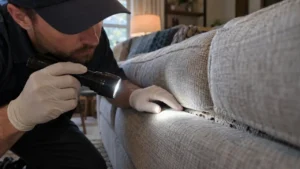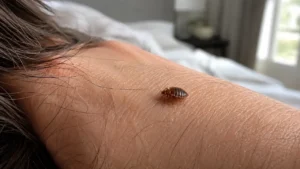
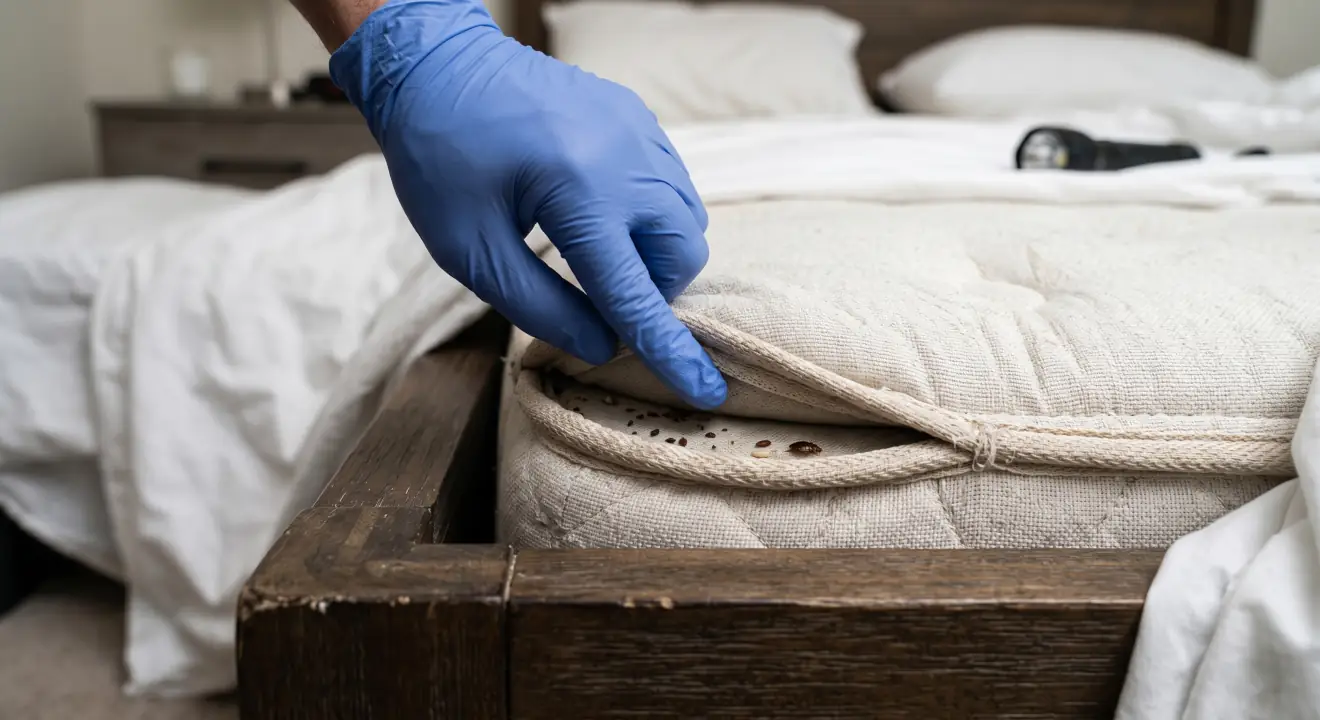
When people ask what eats bed bugs, they usually want a simple answer. I get it. Bed bugs are exhausting, and the idea that something else might quietly handle the problem sounds almost too good to ignore. But here is the honest version: a few predators may eat bed bugs, usually only when the two cross paths, and that is very different from real control. A predator might grab one bed bug here, another one there, but it will not clean up a bedroom infestation for you. That is the part most people miss.
This article walks through the predators that can eat bed bugs at night, what they are actually doing in your home, and why you should not rely on nature to fix a bed bug problem. I will keep it plain and practical, because when someone is losing sleep over bed bugs, they do not need fluff. They need the facts, the real risks, and the next smart step.
Quick Answer: What Eats Bed Bugs at Night?
A few insects and animals can act as natural predators of bed bugs if they happen to find them, including masked hunters, spiders, ants, house centipedes, and sometimes cockroaches. But none of them are reliable enough to control an infestation. If you have bed bugs, the real solution is inspection, heat, cleaning, containment, and targeted treatment — not natural predators.
Also Read: Bed Bug Nests: How to Find Them Before They Spread Everywhere
Common Predators That Can Eat Bed Bugs
Below are the most common insects and animals people bring up when asking what eats bed bugs at night, but in real homes, none of them are dependable enough to solve an infestation. These are the natural predators of bed bugs people most often talk about, even though they rarely make a meaningful dent in an active infestation. Just as important, bed bugs do not leave their hiding spots because a predator is present — they stay hidden until feeding conditions are right.
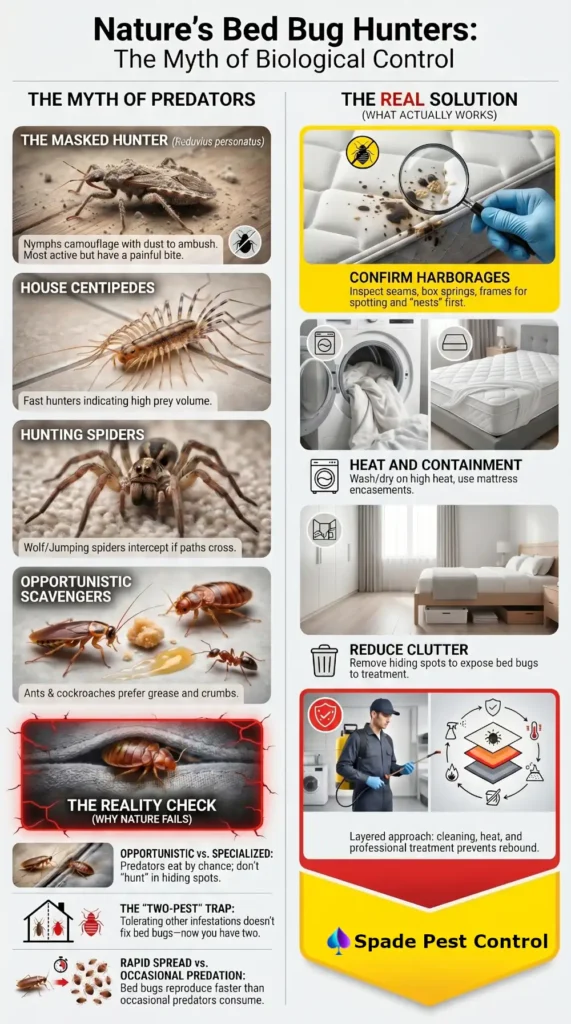
The Masked Hunter
If there is one insect on this list that deserves the most attention, it is the masked hunter, also called Reduvius personatus. This is a type of assassin bug. Both adults and nymphs are predators, and bed bugs can be on the menu. Michigan State University notes that the masked hunter (Reduvius personatus) is a household-association predator that may feed on bed bugs and other small insects, which is why it comes up so often in bed bug conversations.
The nymphs are the famous ones because they cover themselves with dust and lint, which gives them a weird little walking-clump look. That camouflage helps them ambush prey in dark, protected spots where other insects are hiding.
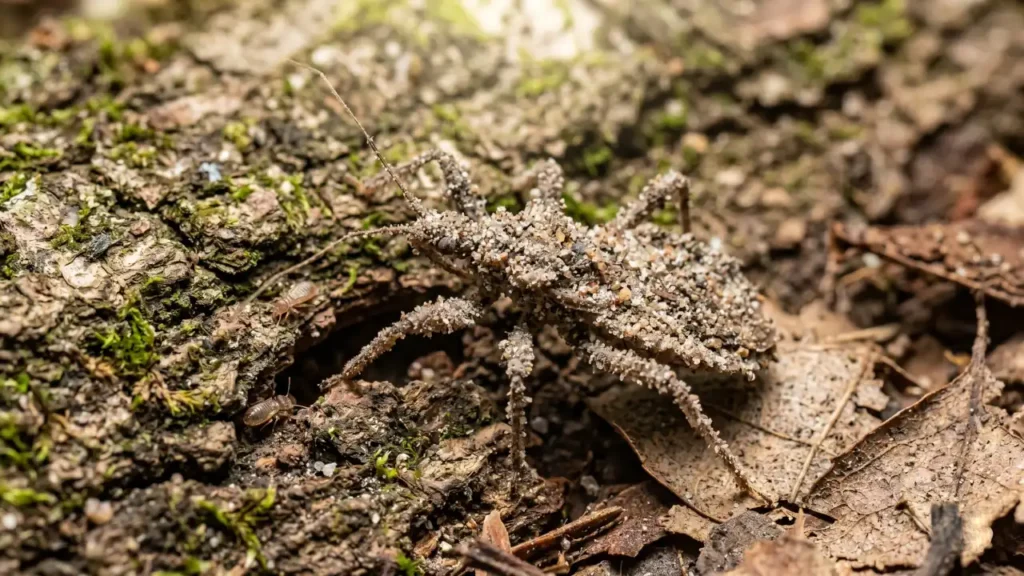
In plain English, masked hunters are not wandering around your bedroom for fun. They show up where other insects are already available, and that is why people sometimes find them in homes with pest issues. If one appears indoors, it is not proof that you have bed bugs, but it is also not a bug to ignore. It usually means your home has enough insect activity to support a predator. That is never a great sign.
What makes the masked hunter interesting is that it is a genuine hunter, not a scavenger or accidental visitor. Still, the bite can be painful if the insect is handled roughly, and it is not something you want on your pillow or crawling across your sheets. So yes, it can eat bed bugs at night. No, it is not your free exterminator. That is exactly why I never want homeowners treating predator insects like a solution — you can trade one pest problem for another uncomfortable bite risk indoors.
Ants
Ants are one of the first predators people mention when talking about what eats bed bugs. That makes sense, because ants are opportunists. If a bed bug ends up exposed and a hungry ant finds it, the ant may absolutely attack and eat it. Some species are more likely than others to do this, especially the ones that move through homes in large numbers and are not picky about food.
Not every household ant will behave the same way, which is another reason this is not something homeowners can rely on. In practice, people usually mean opportunistic indoor ants rather than a specific species, which is important because behavior can vary widely from one ant type to another.
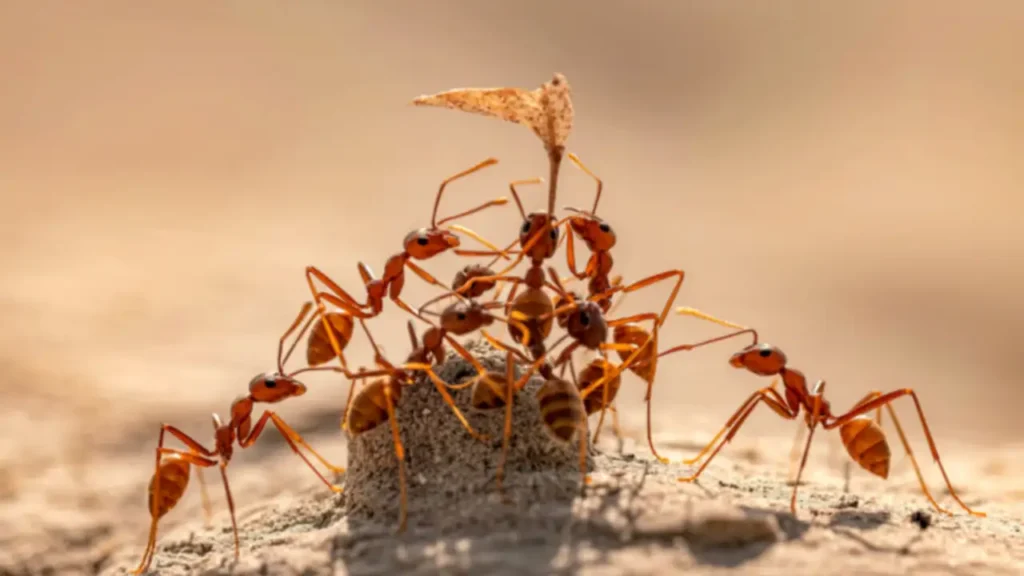
But here is the part that matters. Ants are not coming into your house because they have declared war on bed bugs. They are there because your home offers food, moisture, or shelter. If bed bugs and ants are both present, that tells you the bigger issue is the environment inside the home, not a secret natural cleanup crew.
Ants can also create a different headache. In some cases, homeowners become so focused on the bed bugs that they overlook the ant problem altogether. You end up chasing one pest while the other keeps moving through wall voids, baseboards, or kitchen areas. So yes, ants may eat bed bugs, but the practical value is tiny. You would never want to count on ants to reduce a bed bug infestation in any meaningful way.
Cockroaches
Cockroaches can eat bed bugs if they run into them, especially if a roach is already scavenging in the same cracks, furniture, or clutter where bed bugs are hiding. Roaches are not loyal predators of bed bugs. They are generalists. That applies across the common household roaches people actually run into, including German, American, and Oriental cockroaches.
They will eat crumbs, grease, organic matter, and sometimes other insects if the chance comes along. That is why you may hear people say roaches eat bed bugs, because they can. The bigger question is whether that means anything useful. The answer is no.
In a real home, a cockroach infestation does not solve a bed bug infestation. It just gives you two problems at once. In fact, when both pests show up together, it usually points to hidden clutter, poor sanitation, or areas that are difficult to inspect and clean. If you are already seeing roaches, check the environment carefully instead of hoping they will do pest control for you.
One practical note matters here. Cockroaches leave behind signs of their own, including spotting and residue in hidden areas. If you are trying to tell whether you have overlapping pest activity, learning what cockroach droppings look like can help you separate roach evidence from bed bug signs.
So, do cockroaches eat bed bugs? Sometimes, yes. Should anyone rely on that? Absolutely not. Cockroaches are not a bed bug treatment. They are just another indoor pest with a bad habit of appearing where they are not wanted.
House Centipedes
House centipedes scare a lot of people because they move fast and look like something out of a bad dream. But from a pest control point of view, they are actually hunters. They feed on other arthropods, and that includes many of the pests that people hate seeing indoors. If a house centipede runs into a bed bug, it may eat it.
Still, house centipedes are not a solution. They tend to show up where there is already enough prey to support them. That means their presence is often a clue that there are other insects around. So when homeowners ask whether house centipedes are good for bed bugs, I usually say this: they may help in the tiniest sense, but they are not doing the job you need done.
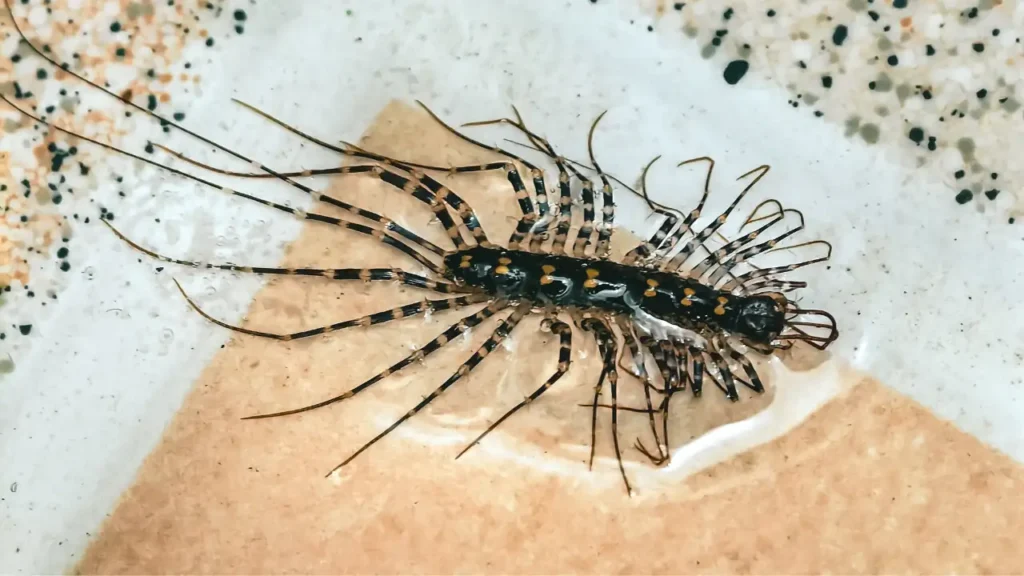
People also underestimate how quickly these creatures move and how well they hide. You might see one flash across the bathroom floor at night and assume it is helping with your bed bug problem. In reality, it is just another predator trying to survive indoors. Interesting from a biology standpoint? Sure. Useful as real bed bug control in a home? No.
Spiders
Spiders are another predator that can eat bed bugs when the chance comes up. This makes sense because spiders do not usually care whether the prey is a fly, a moth, or some other small insect. If it gets caught in a web, or if a hunting spider intercepts it, the bed bug may be dinner. In real homes, that is more likely to happen with active hunting spiders, including larger roaming species like jumping spiders or wolf spiders, than with the small web-builders tucked into corners.
But again, there is a difference between can eat and will control. Most spiders in a home are not specialized bed bug hunters. They are opportunists. They take what they can catch. A bed bug that stays hidden in mattress seams, baseboard cracks, or furniture joints is not an easy spider target. That is why the presence of spiders does not change the bed bug problem in any meaningful way.
There is also a practical side to this that homeowners should understand. If spiders are active indoors, you may be dealing with more than one insect issue. Webs, egg sacs, and repeated sightings can mean prey insects are available. That is useful information, but it is not the same as control. Spiders are part of the picture, not the solution.
Mites
Mites are tricky because people hear the word and often think of them as tiny, vague organisms rather than actual predators. While some predatory mites feed on other small arthropods, that does not make them a practical or reliable answer to bed bugs in a home.
Most mites people encounter are not hunting bed bugs in the bedroom. Some mites are pests themselves, and others are just part of the environment. Even when a predatory mite is present, it is not going to patrol your mattress and eliminate bed bugs in the way people hope. It might nibble on vulnerable stages in very specific conditions, but that is not a control strategy.
For homeowners, the main takeaway is simple. Do not confuse microscopic predation with actual infestation management. Mites are not a dependable answer to bed bugs, and they are definitely not a reason to delay treatment. If bed bugs are active, the clock is already running.
Geckos
Geckos often come up in conversations about what eats bed bugs because they are quick, small, and very good at catching moving prey. In theory, a gecko could eat a bed bug. In the real world, though, geckos are not a practical bed bug solution in most homes. They are more likely to chase insects on walls, around lights, or near outdoor openings than to hunt bed bugs hiding deep in furniture or bedding.
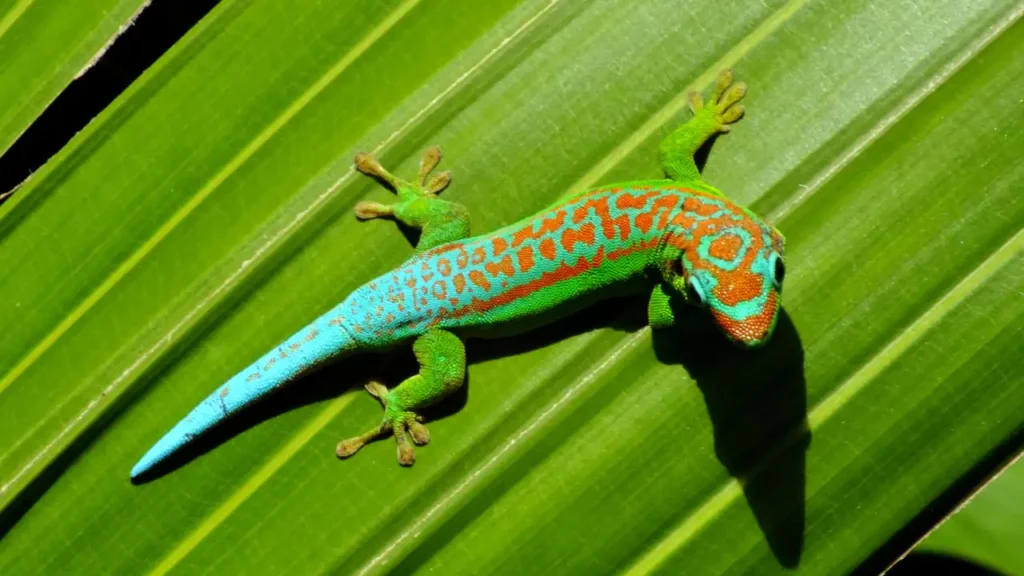
There is another issue too. Bed bugs are built to stay out of sight. They hide in narrow seams and cracks, then feed at night and slip back into cover. A gecko is not likely to spend its night tearing apart a mattress frame or working through upholstery seams. Even if it catches a few, that does not solve the infestation.
People sometimes imagine geckos as natural pest control because they eat insects in general. That part is true. But this is one of those cases where nature sounds more useful than it really is. If geckos are indoors, you may be in a warmer climate or a place with gaps that let them inside. That is interesting, but it is not a bed bug strategy.
Do Common Pets Eat Bed Bugs?
This is a question a lot of homeowners ask after they start seeing bugs at night. The answer is that common pets do not reliably eat bed bugs in a way that helps. Cats might paw at a bug. Dogs might notice movement. A curious pet may even eat a bug if it gets the chance. But that is not the same as predation, and it is not pest control.
More importantly, pets are not trained hunters of bed bugs. Bed bugs hide too well and spend too little time out in the open for a dog or cat to realistically clean up an infestation. Your pet may catch one wandering insect, but the population living in seams, cracks, and furniture will keep going.
There is also a safety angle here. You should never count on pets to solve indoor pest problems, especially when the bug in question hides in sleeping areas. Pets can also bring other complications, like fur, dander, and additional hiding places for debris. In a bed bug case, the smart move is to inspect bedding, reduce clutter, and treat the source. Let your pet be a pet, not a control method.
What People Usually Get Wrong About Bed Bug Predators
The biggest mistake is thinking that any predator indoors equals a natural solution. It does not. Bed bug predators are mostly opportunistic, not specialized. They may eat a bed bug if they stumble across one, but that is very different from moving through a home, finding every harborage, and reducing the whole population.
Homeowners often assume that if something eats bed bugs, it must be helping. In reality, most infestations continue growing because bed bugs spend so little time exposed that occasional predation barely changes the population.
The second mistake is assuming that if one predator is present, the bed bugs should disappear on their own. That is wishful thinking. Bed bugs survive by staying hidden, feeding at night, and spreading through furniture, bags, and cracks. They are built to avoid simple problems. A predator that wanders through a room does not change that.
The third mistake is waiting too long because the problem seems small. If you are still in the early stage, it helps to understand how fast bed bugs spread, because what looks minor this week can become a room-to-room problem faster than most homeowners expect. That is where bed bugs win. A few bites become a pattern. A few sightings become a room problem. Then it becomes a whole-home issue. If you are already seeing signs at night, the time to act is now, not after you have hoped a spider, ant, or centipede handles it for you.
One pattern I have seen in real homes is this: the homeowner notices a few bites, then spots a spider or centipede and assumes nature is helping. A week later, the bites are worse, the bed frame has active harborages, and the problem has spread into nearby furniture. That is why I never want people waiting on predators when bed bugs are already active.
What Actually Works When Bed Bugs Show Up
If you want the honest answer, it is not a predator. It is inspection, cleaning, isolation, and targeted treatment. Start by confirming where the bugs are hiding. If you are not sure what active harborages look like, reviewing what bed bug nests really look like can make inspection much easier before you start tearing apart a room. Bed bug activity often centers on mattresses, box springs, bed frames, nearby furniture, and cracks around sleeping areas. Once you know where they are, you can do something useful about them.
Vacuuming helps remove visible bugs and some eggs, but it is only one part of the process. Washing and heat-treating bedding can also help. The U.S. Environmental Protection Agency also recommends a layered approach that combines cleaning, heat, reducing clutter, and careful follow-up instead of relying on a single quick fix. That is exactly how I approach real bed bug cases too: multiple small control steps working together beat any single shortcut.
Reducing clutter matters because clutter gives bed bugs more places to hide. Mattress encasements and interceptors can help you monitor activity and reduce movement. These are boring steps compared with the fantasy of natural predators, but they are the steps that actually move the needle.
If the infestation is active, widespread, or tied to multiple rooms, professional help is often the safest and fastest route. That is not a scare tactic. It is just reality. In real homes, the hardest part is usually not killing the first few bed bugs — it is finding every hidden pocket before they rebound a week or two later. Bed bugs are hard to eliminate because they hide well and spread easily. A predator might remove a few exposed bugs, but actual control still comes down to inspection, containment, and targeted treatment.
Also Read: Bed Bugs Living in Wood Furniture Can Spread Fast, Here’s How to Stop Them
Safety Note Before You Treat Bed Bugs
Be careful with DIY bed bug treatments, especially in bedrooms. I do not recommend spraying random insecticides on mattresses, bedding, or sleeping surfaces unless the label specifically allows that use.
Misuse is one of the fastest ways homeowners make the problem worse or create unnecessary exposure risks for kids, pets, and anyone sleeping in the room. If you are using heat, steam, or chemical products, follow the label exactly and focus on confirmed hiding spots instead of blanket-treating the entire room.
Steam can help, but avoid over-wetting mattresses, box springs, or upholstered furniture, because trapped moisture can create a separate mold or material-damage problem.
Final Thoughts
So, what eats bed bugs? A few things can. Masked hunters are the standout. Ants, spiders, house centipedes, cockroaches, mites, and geckos may also eat them from time to time. But that is where the fantasy ends. None of these are reliable enough to solve a bed bug infestation in your home.
If you came here wondering what animals eat bed bugs, the honest answer is that a few can eat them occasionally — but none of them solve the real problem. They may be natural predators of bed bugs in a loose sense, but they are not dependable pest control.
If you are dealing with bed bugs at night, the real fix is not waiting for nature to clean up the mess. It is finding the hiding places, limiting movement, removing clutter, and using proven treatment methods. Bed bugs are good at staying hidden, but they still follow predictable patterns once you know where to inspect and how to limit movement. Once you stop expecting predators to save the day, you can focus on the steps that actually work.
My advice is simple. Treat bed bugs like the serious indoor pest they are. Do not let the idea of natural predators slow you down. The sooner you act, the sooner you get your sleep back.