

If you’ve ever walked outside to find your hostas chewed down to stubs in your backyard, you already know how frustrating deer can be. It only takes one overnight visit for deer to undo weeks of work you’ve put into your landscaping. Someone probably told you to dump your used coffee grounds around the yard to fix it.
It’s one of the most common homemade deer repellent ideas shared among gardeners and one of the oldest tricks in the gardening world. But does it actually work, or is it just something people repeat because it sounds reasonable? After 18 years of dealing with wildlife complaints, I can tell you the real answer, and it’s a little more complicated than a flat yes or no.
Also Read: How To Keep Deer from Eating Plants: 9 Methods That Actually Work
Do Coffee Grounds Keep Deer Away?
Yes—but only sometimes. Coffee grounds may discourage some deer because of their strong smell, but they aren’t a proven deer repellent. If deer only visit your yard occasionally, coffee grounds may help as part of a broader strategy. For persistent deer problems, proven methods like exclusion fencing, commercial repellents, or motion-activated deterrents are much more dependable.
Why Coffee Grounds Sometimes Work on Deer
Deer survive by constantly assessing risk. Before entering a yard or feeding, they rely heavily on sight, smell, and hearing to determine whether an area feels safe. A deer that feels unsafe in a spot will avoid it, even if the flower bed is loaded with tasty hostas or tulips. The idea behind using coffee grounds is that an unfamiliar smell may make a deer hesitate before entering the area, especially if it hasn’t encountered that scent before.
Here’s the honest truth, though. There isn’t any solid scientific research proving that coffee grounds reliably keep deer out of your backyard or garden. Extension publications generally recommend fencing, deer-resistant plants, and registered repellents rather than coffee grounds because those approaches have much stronger evidence behind them.
The University of Minnesota Extension’s guide on protecting plants from deer is a good example of current university-backed recommendations. What we have instead is decades of homeowners swearing it worked for them, alongside plenty of others who say their deer walked right past the grounds and kept eating.
So why the mixed results? It comes down to how deer smell the world. Their noses are far more sensitive than ours, and they use scent constantly to check for danger before they commit to eating something. A strong, bitter, acidic smell like used coffee can register as “something is off here” to a deer, especially one that hasn’t grown used to it yet. But deer in different areas behave differently. A herd that’s hungry, or one that’s already used to human activity in a suburban neighborhood, might just shrug off the smell and keep browsing.
I’ve talked to homeowners on both sides of this. Some genuinely believe coffee grounds saved their tomato plants. In several residential landscapes I’ve evaluated, coffee grounds appeared to reduce browsing for a few days, especially when deer were only occasional visitors. In neighborhoods with established deer traffic, though, the same approach often had little lasting effect unless homeowners combined it with another deterrent.
Others saw no measurable reduction in browsing, even after several weeks of consistent application. My honest take after years in this field: it’s worth trying because there’s basically no downside, but don’t count on it as your only line of defense if you’re dealing with a persistent herd. I look at coffee grounds as an inexpensive homemade deer repellent to test, but not one I’d rely on by itself if deer are causing significant damage.
Why Results Vary from One Yard to Another
There’s a pattern I’ve noticed over the years that might explain why results vary so much from yard to yard. Deer in rural areas, where they’re less exposed to people and unfamiliar smells, tend to react more strongly to something new like coffee grounds.
A deer that’s spent its whole life avoiding human scent will treat an unfamiliar acidic smell as one more reason to stay cautious. On the other hand, deer living in suburbs and neighborhoods have grown up around lawnmowers, grills, trash cans, and dozens of household smells every single day. Deer that regularly live around people are simply harder to surprise with familiar household smells.
Food availability plays a role too. Wildlife behavior is largely driven by risk versus reward. When food is plentiful, deer can afford to be selective. When natural forage becomes scarce, especially in late winter, they’ll often accept risks they would normally avoid.
A deer with plenty of other options nearby will happily skip a coffee-scented flower bed and eat somewhere easier. But a hungry deer during a lean season, especially late winter or early spring when natural browse is scarce, might push right through the smell if your garden is one of the only green things around. That’s a pattern wildlife researchers have documented with other repellents as well. Hunger tends to override caution, no matter how strong the deterrent smell is.
Additional Benefits of Using Coffee Grounds
There’s also a bonus reason to use coffee grounds even if the deer angle doesn’t pan out. Spent grounds break down slowly and act a bit like compost, adding organic matter back into your soil.
As they break down, coffee grounds add organic matter to the soil and may contribute small amounts of nutrients over time. Coffee grounds may discourage some garden pests, particularly slugs and snails under certain conditions, although research has produced mixed results. I wouldn’t rely on them as a primary pest control method, but they can be a useful addition to a compost or mulch routine.
Quick Tip: Treat coffee grounds as a bonus layer of defense, not your entire deer strategy. Spread them, watch how your local deer react over a couple of weeks, and pair the method with something more proven if the damage keeps happening.
Pairing coffee grounds with deer-resistant plants can make your landscape less attractive overall. While no plant is completely deer-proof, choosing species deer rarely browse gives you another layer of protection.
The Best Ways to Use Coffee Grounds to Repel Deer
If you’re going to try this, doing it right makes a real difference. Spent coffee loses its punch fast once it dries out and sits in the sun, so timing and placement matter more than people realize.

Directly From the Coffee Maker
The simplest approach is also the most practical for daily use. Right after you brew your morning pot, take the wet grounds straight out to the trouble spots in your yard instead of tossing them in the trash. Fresh grounds still hold onto their oils and that sharp coffee smell, which is exactly what you want working against deer.
The catch is that this smell fades quickly, usually within a day or two, especially with rain or heat speeding up the breakdown. That means a single dump of grounds won’t do much long term. If you’re serious about this method, you need to make it a habit and keep refreshing the area every morning, which naturally builds up a scent presence over time.
Hot Brews Only
If you’re a cold brew fan, this one’s for you: skip it for this particular use. Hot brewing extracts more of coffee’s soluble compounds and produces a stronger roasted aroma than cold brewing, which is why freshly used hot-brew grounds generally have a more noticeable scent.
Stick with a regular hot-brewed pot, drip coffee, French press, or even instant grounds steeped in hot water. The goal is maximum aroma, and hot brewing gets you there. Cold brew grounds simply won’t carry the same kick when you spread them outside.
Short-Term Storage
Some people prefer to build up a stockpile rather than applying grounds daily. If that’s more your speed, keep a sealed container or bag in your kitchen and collect grounds for about five to seven days before spreading them.
Stored grounds often develop a stronger odor over several days, but there’s no evidence that this makes them more effective at repelling deer than freshly used grounds. Just don’t push storage much past a week. Old, damp coffee grounds are a perfect setup for mold, and that’s not something you want sitting near your garden beds or tracked into your house.
Creating a Scent Barrier
Placement is where most people mess this up. The idea isn’t to bury your plants in coffee grounds. It’s to build an invisible wall of smell around the perimeter of the area you’re protecting.
Spread the grounds in a loose line along garden borders, fence lines, or wherever deer typically enter your property. This approach can also help protect young trees, ornamental shrubs, and newly planted flower beds that deer frequently browse.
Think of it the same way you’d think about a scent fence rather than mulch. Heavy applications of coffee grounds can influence soil conditions over time, so keep them a few inches away from sensitive plants rather than piling them directly against stems or roots. Avoid creating thick mats of coffee grounds. As they dry, they can compact into a crust that limits water penetration and air movement into the soil. A light, consistent barrier beats one thick pile in a single spot every time.
Are Certain Coffee Grounds Better Than Others?
Homeowners ask me this constantly, usually hoping there’s a premium brand that works better. The truth is, brand and price don’t matter much here. Cheap grocery store coffee and expensive specialty beans smell pretty similar to a deer once they’ve been brewed and dumped outside.
What does seem to matter slightly is roast level. Dark roasts generally produce a stronger roasted aroma after brewing, but there isn’t any research showing that roast level changes how deer respond. In theory, that means a dark roast should leave behind a stronger-smelling batch of grounds than a light roast. It’s a reasonable assumption, but again, nobody has run a formal test comparing roast levels for deer deterrence specifically, so treat this as an educated guess rather than a guarantee.
Freshly ground beans versus pre-ground coffee doesn’t seem to change much either. Coffee snobs will tell you fresh grinding preserves more flavor and aroma for drinking purposes, and that’s true. But once you’ve brewed either one and the water has pulled out the oils, the difference for deer-repelling purposes is minor at best.
Quick Tip: Don’t stress over which bag of coffee to buy. Focus your energy on brewing hot instead of cold, and using the grounds while they’re still fresh. That one factor matters more than roast type or brand ever will.
Alternatives To Coffee Grounds for Keeping Deer Away
I’ll be straight with you: if deer are causing real damage to your landscaping and coffee grounds aren’t cutting it, you have better tools available. These options have more consistent track records and don’t rely on you saving up grounds every morning.
Granular Repellent
Granular repellents work on the same basic principle as coffee grounds, using smell to make deer uneasy, but they’re built specifically for this job and tend to hold up longer. You sprinkle them around your garden bed the same way you would coffee grounds, and many of the natural, non-toxic formulas rely on dried blood meal or predator scent markers rather than harsh chemicals.
The smell is usually mild or undetectable to humans but strong enough to send a clear warning signal to deer. A quality granular product can last several weeks between applications, which beats having to refresh coffee grounds daily. Just keep them a short distance from the base of plants rather than piling them directly onto foliage or roots.
Most commercial deer repellents rely on either fear-based ingredients, such as predator scents or dried blood meal, or taste-based ingredients that make plants unappealing to browse. Different products work better in different situations, but both approaches generally outperform coffee grounds when used according to the label.
Sprays
Liquid repellent sprays are another solid option, especially for protecting individual plants, shrubs, or young trees. Many use ingredients like putrescent egg solids, garlic, or capsaicin from hot peppers to hit deer with both a bad smell and a bad taste if they do decide to take a bite.
Application matters here too. Always follow the label’s dilution instructions if you’re using a concentrate, and spray during dry weather since rain washes the coating away fast. Aim for full coverage on the leaves and stems you’re protecting, and avoid oversaturating the soil directly underneath, since some formulas can affect soil chemistry with heavy repeated use.
Electronic Repellent
When coffee grounds and sprays aren’t enough, motion-activated deterrents generally produce more consistent results because they add an element of surprise rather than relying only on scent. Motion-activated devices work by startling deer the moment they enter a protected zone, and they come in a few different flavors. Unlike scent repellents, these devices interrupt a deer’s normal feeding behavior, making the area feel unpredictable rather than simply unpleasant to smell.
Motion-triggered floodlights work well because deer are naturally cautious around sudden bright light, particularly since many are most active at dawn, dusk, and overnight. Sound-based deterrents use the same motion trigger but blast a burst of noise instead, which is effective but worth thinking twice about if you live close to neighbors.
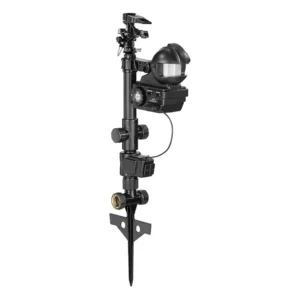
Motion-activated sprinklers are probably the most popular electronic option among homeowners, since a sudden blast of water is harmless to the deer but jarring enough to send them running, and it doubles as a way to water your garden. In my experience, sprinklers also tend to work longer than sound-only devices because deer have a harder time ignoring an unexpected blast of water than a repeated noise.
Looking for another electronic deterrent? Motion-activated sprinklers are one of the most effective non-lethal ways to discourage deer from entering your yard. A sudden burst of water startles deer without harming them, making these devices an excellent addition to a layered deer deterrent strategy.
One thing to keep in mind with motion-activated sprinklers is that placement matters. Position them where deer are most likely to enter your property, and move them occasionally if browsing continues. Combining a motion-activated sprinkler with scent deterrents, exclusion fencing, or deer-resistant plants makes it harder for deer to become comfortable visiting your yard.
Why Combining Methods Works Better Than Relying on One
If there’s one thing I’ve learned dealing with deer complaints over the years, it’s that no single trick works forever on its own. Deer are smart, adaptable animals, and they learn fast. A smell that spooks them in week one might barely register by week three if nothing else changes. This is exactly why professional wildlife control rarely leans on just one method.
Layering your defenses gives you a much better shot at long-term results. Start with coffee grounds along the outer edge of your garden since it costs nothing and takes minutes each morning. Add a granular or spray repellent on the plants deer target most, especially anything soft and leafy like hostas, tulips, or young vegetable starts. Then bring in a motion-activated sprinkler or light near the most common entry point, usually a gap in a fence line or a spot where your yard borders a wooded area.
Rotating your approach matters just as much as combining methods. If you spread coffee grounds in the exact same spot every day for a month, a deer that isn’t scared off right away will eventually get used to it. Switching up placement, alternating between a couple of repellent types, and occasionally changing where your electronic devices sit all help keep deer from settling into a comfortable routine around your yard.
Timing your efforts around the seasons helps too. Deer pressure tends to spike in spring when new growth is tender and appealing, and again in fall when they’re bulking up before winter. Being more aggressive with repellents during those windows, and easing off a bit during periods when deer have plenty of natural food elsewhere, is a smarter use of your time than treating every month the same way.
When Coffee Grounds Are Most Likely to Work
Coffee grounds are most likely to make a difference when deer pressure is fairly light. If deer only pass through your yard occasionally or are just beginning to sample your garden, an unfamiliar scent may be enough to make them hesitate and move on to an easier food source. Homeowners in suburban neighborhoods with plenty of alternative landscaping often have better luck because deer don’t need to take unnecessary risks to find something to eat.
On the other hand, coffee grounds are much less likely to work when deer visit your property every day or when natural food is scarce. During late winter, early spring, drought conditions, or in areas with large deer populations, hunger often outweighs caution. In those situations, it’s better to think of coffee grounds as one layer of protection alongside fencing, commercial repellents, or motion-activated deterrents rather than expecting them to solve the problem by themselves.
When to Call a Professional
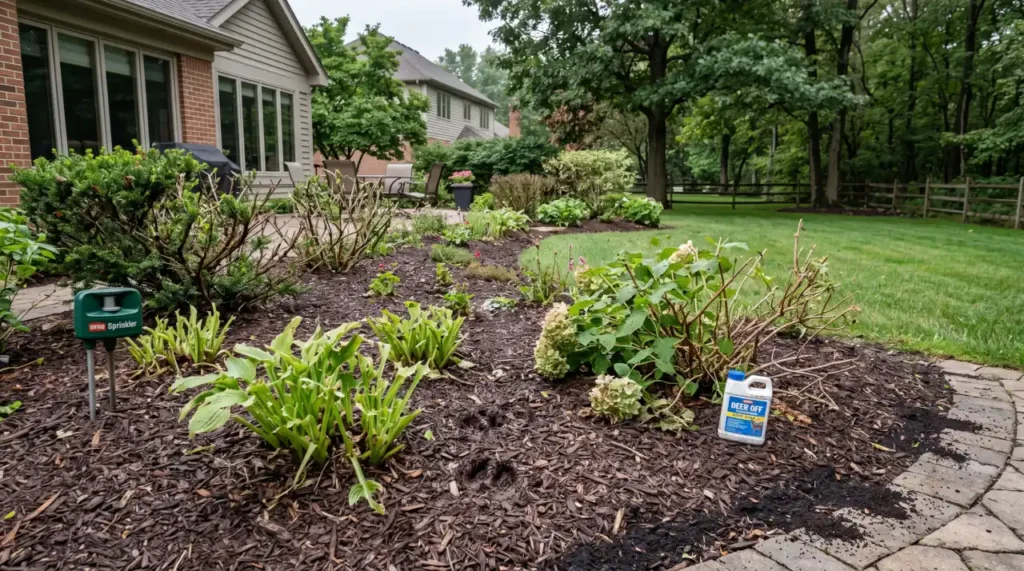
If deer are visiting your property almost every night, stripping mature shrubs, or damaging large areas of landscaping despite using multiple deterrents, it’s probably time to bring in a wildlife professional. Repeated deer activity often points to a well-established travel route or feeding pattern that’s difficult to change with scent repellents alone.
A professional can evaluate why deer keep returning, identify common entry points, and recommend long-term solutions such as exclusion fencing, habitat modifications, or integrated deterrent strategies that fit your property. While coffee grounds and other DIY methods can help with occasional browsing, persistent deer pressure usually requires a more comprehensive approach.
Because deer are regulated wildlife in many areas, control options can vary by state or local regulations, making professional advice especially valuable for recurring problems.
Conclusion
So, do coffee grounds keep deer away? While coffee grounds are often promoted as a homemade deer repellent, they’re best viewed as a low-cost experiment rather than a proven solution. They may help reduce browsing damage for a short period, but homeowners dealing with frequent browsing usually get better long-term results by combining scent deterrents with physical barriers or motion-activated devices. If coffee grounds reduce browsing in your yard, consider them a useful bonus—not proof they’ll work everywhere. Deer behavior varies widely from one area to another.
Not sure whether deer are causing the damage? Look for cleanly torn leaves, clipped stems, hoof prints, and small pellet-shaped droppings before choosing a control method.