
Finding bed bugs in books is the kind of problem that instantly makes homeowners panic. Books are personal, expensive, and often stored close to beds, couches, or reading areas where bed bugs like to hide. The good news is that most books can be saved if you act carefully and contain the infestation early.
In real infestations, I have seen homeowners throw away entire shelves before realizing many of those books could have been treated safely. Bed bugs can hide deep inside bindings, spread from room to room, and survive rushed cleanup attempts. This guide explains how to remove bed bugs from books safely, which methods actually work, what mistakes to avoid, and how to stop the infestation from returning.
Also Read: Bed Bugs Living in Wood Furniture Can Spread Fast, Here’s How to Stop Them
Quick Answer: How To Remove Bed Bugs from Books Permanently
Bed bugs can hide inside books, especially near beds and couches, but most books can be saved. The safest treatment methods are controlled heat, freezing, or careful isolation combined with full room treatment. Avoid microwaves, ovens, and heavy chemical spraying because they can damage books without fully eliminating the infestation.
Do Bed Bugs Live & Hide in Books?
Yes, bed bugs can live and hide in books, but they do not choose books because they love paper. They choose books because books give them what they want most: tight hiding spaces, darkness, and easy access to people. A bed bug does not need much room at all. The gap between the spine and the pages, the crack along the binding, or the space inside a hardcover can be enough for it to tuck itself away.
That is why books near beds, couches, reading chairs, and nightstands can become part of the problem. If a room already has bed bugs, books can act like little shelters. They are not a food source, but they can become a resting place or a transportation vehicle. That means bed bugs may move from the mattress to the books, and then from the books to another room if the books get carried away before they are treated.
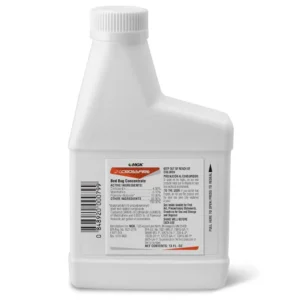
MGK Crossfire® Bed Bug Concentrate
You can think of it like this. Bed bugs are not moving into a book because they are nesting in the way ants nest in soil. They are hiding in protected spaces until another feeding opportunity appears.
They are using the book the same way they use a mattress seam, a picture frame, or a crack in furniture. If you want to understand what a full hiding place looks like in your home, it helps to learn what a bed bug nest actually looks like and why books near sleeping areas deserve extra attention.
A hardcover book is usually a bigger concern than a thin paperback because it offers more structure, more seams, and more hidden edges. That does not mean paperbacks are safe. It only means the spine and binding matter a lot.

Quick Tip: If a book has been sitting directly beside a bed, under a bed, or in a stack on the floor, treat it as suspect even if you do not see bugs right away. Bed bugs are masters at staying out of sight.
How To Treat Books for Bed Bugs
There are four reliable ways to treat bed bugs in books without rushing to throw the collection away. The best choice depends on the type of book, how valuable it is, and how badly the room is infested. In many cases, the safest plan is to combine methods rather than rely on just one.
1. Apply Heat
Heat is one of the fastest and most reliable ways to kill bed bugs, but books need special handling because too much heat can warp covers, loosen glue, and damage pages. That means you should not treat books the same way you would treat a mattress or a piece of furniture.
The key is controlled heat. The EPA explains that heat can help control bed bugs, but poorly controlled DIY heating methods can become unsafe or ineffective. Their guidance on do-it-yourself bed bug control also warns that heat treatments need proper temperature control to work reliably. For books, the safest heat option is usually a professional treatment chamber, a monitored high-heat device, or a very carefully managed warm environment where the book will not be scorched.
If the book is valuable, old, glued in a way that could loosen, or especially fragile, do not guess. Heat can work, but it has to be used with care. This is one reason many professionals prefer to treat books separately from bulk household items. The aim is to kill the bugs without cooking the book.
For common books that are not highly fragile, some pest professionals use dry heat systems or heat chambers designed for belongings, not living spaces. That difference matters. You want the item heated to a level that kills bed bugs, not your whole room turned into a hazard. Bed bugs begin to die as temperatures rise into the lethal range, but the exposure has to be long enough and consistent enough to reach the hiding spots inside the binding.
Most professionals target sustained temperatures above 118°F because lower temperatures may not reliably kill hidden eggs and adults deep inside belongings. The inside of a book warms more slowly than the surface, so rushing this step is a bad idea.
One mistake I see often is homeowners trying to speed up the process with space heaters, ovens, or direct sunlight inside a hot car. Those methods can damage books long before they reliably kill bed bugs hidden deep in the binding.
If you use heat, keep the book isolated from the rest of your home while it is being treated. Afterward, inspect the spine, the inside cover, and the page edges carefully. Then vacuum the surrounding area and address the room where the infestation started, because treating the book alone will not solve a bigger bed bug problem.
2. Freeze Them
Freezing can work very well for books, especially because it avoids the kind of warping and glue damage that heat sometimes causes. This is often the method people ask about first when they want to save books, notebooks, journals, or collections that would be ruined by heat.
The important part is that freezing has to be cold enough and long enough for the cold to penetrate deep into the binding and hidden spaces inside the book. A deep freezer or chest freezer usually works better than a small refrigerator freezer because colder and more stable temperatures improve penetration into the book binding.
The University of Minnesota Extension notes that freezing can work against bed bugs, but only when temperatures stay cold enough for long enough to reach the insects hidden deep inside belongings.
Here is the practical way to do it. Put the book inside a sealed plastic bag first. That keeps moisture away from the pages and helps stop any bugs from escaping. Then place the bag in the freezer and leave it there long enough for the cold to penetrate through the binding and into the hiding places. After freezing, let the book return to room temperature while still sealed so condensation does not soak the pages.
This is one of the better methods for books you care about, but it is still only as good as the temperature and the time. A freezer that is not cold enough can give you false confidence. That is why I recommend checking the freezer temperature if possible.
Quick Tip:Do not open the bag as soon as the book comes out of the freezer. Let it warm up sealed first. That helps prevent moisture from forming on the pages and keeps the treatment cleaner.
3. Isolate The Books
Isolation is the slowest method, but it can still be useful in some situations. The idea is simple. Seal the book in a bag or container and keep it away from people, pets, and any possible food source until the bed bugs die off naturally.
This method sounds easier than it is. Bed bugs can survive a surprisingly long time without feeding, which is why isolation is usually the least efficient choice when you need the problem gone now. It can still have a place, though, especially if you are waiting for a bigger treatment plan, if the book is too delicate for heat, or if you are dealing with a single item and want to make sure it is not spreading bugs into another room.
The reason I do not call this the best solution is that isolation depends on time and good sealing. If the bag is not sealed well, or if the book gets moved around before treatment is complete, the bed bugs can spread elsewhere. This is why it helps to understand how bed bugs live so long in plastic bags, because a sealed bag alone is not always a complete solution. A bag is only a container. It is not a treatment.
If you choose isolation, place the book in a heavy-duty sealed bag, label it clearly, and keep it away from the bedroom while you continue dealing with the infestation. Many people make the mistake of thinking a sealed bag means the job is done. It does not. It only buys time.
Quick Tip: Isolation works best when it is paired with another method. Use it to contain the book, not as your only plan.
4. Use Insecticidal Spray
Sprays can help, but they should be used carefully around books. That is because paper, glue, ink, and leather covers do not all react the same way to chemicals. A spray that is fine on a baseboard may stain or damage a book spine.
If you use an insecticidal spray, choose a product that is labeled for bed bugs and follow the label exactly. That matters more than people think. The label is not just a formality. It tells you where the product can be used safely and what surfaces it should not touch. In most cases, you should not soak the book. You should not drench the pages.
MGK Crossfire® Bed Bug Concentrate
Some residual bed bug sprays continue working after application, but they should still be used carefully around paper materials and only according to the product label.
Never use outdoor pesticides, total-release foggers, or unlabeled homemade mixtures on books. Those products can damage materials, create unnecessary exposure risks indoors, and still fail to reach hidden bed bugs properly. You want a careful, limited application where the product can reach the hiding zone without ruining the item.
For books, the safest use of spray is usually on the outer spine, along the seams, or around nearby shelves and storage areas rather than directly onto the pages. Even then, test carefully on a less visible section first if the book is valuable. If you are not confident about the product, a pest professional is the better choice.
The safest way to kill bed bugs in books depends on the condition of the book and how severe the infestation has become.
Spray should not be your only defense. It is most useful as part of a bigger plan that includes treatment, cleaning, and monitoring. Bed bugs are very good at surviving partial mistakes.

How Long Does It Take to Kill Bed Bugs in Books?
The timeline depends on the treatment method and how deeply the bugs are hiding inside the book. Controlled heat treatments may work within hours when temperatures stay high enough long enough to reach the binding and inner seams. Freezing usually takes several days because the cold has to penetrate all the way through the book.
Isolation takes the longest and may require months if you are relying on starvation alone.
One mistake homeowners make is ending treatment too early because the book looks clean from the outside. Bed bugs and eggs can survive deep inside bindings if the treatment does not fully reach those protected spaces.
The Chance of Bed Bugs Spreading Through Books
Books can absolutely help bed bugs spread from one place to another, but the book itself is not what they are after. They are using the book as a vehicle.
This is why people often carry a problem into a new room without realizing it. A book that sat beside the bed may already contain bugs tucked into the binding. Then someone picks it up, moves it to the living room, or lends it to someone else, and the pests get a free ride. That is also why infested books should never be dropped casually into a shared car, a clean office, or a friend’s home before treatment.
Bed bugs are expert hitchhikers, which is why books moved between bedrooms, hotels, libraries, dorms, and apartments can sometimes carry infestations into completely new spaces.
The spread risk is higher when the infestation in the original room is active. If bugs are still feeding and moving around the bed, the couch, and nearby furniture, then any nearby books are at more risk of contamination. That is also why people sometimes discover the problem only after moving books around during cleaning. The bed bugs did not suddenly appear. They were already there.
If you want a broader sense of how quickly infestations grow, it helps to understand how bed bugs can spread quite fast once items start moving between rooms. That message matters because a book infestation is rarely just about the book. It is usually a sign of a larger problem nearby.
One practical rule helps a lot. Never move untreated books from a suspected infestation into another room unless they are sealed first. That simple habit can prevent a small problem from becoming a house-wide one.
Pandan Leaves
This is one of those home-remedy topics that gets talked about a lot, but it deserves a reality check.
Pandan leaves may have a scent some people find pleasant, and they are often mentioned in traditional household pest discussions, but they are not a dependable bed bug treatment for books. They do not replace heat, freezing, isolation, or a proper bed bug control plan. If the goal is to remove bed bugs from books permanently, pandan leaves are not the answer.
Bed bugs in books are not a scent problem. They are a hiding and survival problem. A smell alone will not reliably penetrate the spine, the seams, and the hidden edges where bed bugs stay tucked away. So while a plant-based household remedy may sound gentle, gentle is not the same as effective.
If you are dealing with an active infestation, use real treatment methods first. Do not waste precious time hoping a natural scent will chase the bugs away. That delay can give them more time to spread into other books and other rooms.
Quick Tip: If a treatment sounds too simple to kill bed bugs permanently, it usually is. Most scent-based home remedies may smell pleasant, but they do not reliably eliminate bugs hidden deep inside books or nearby furniture.
Will Putting Books In The Microwave Work?
Sometimes people ask about microwaving books because they want a fast fix. The short answer is that this is not a safe or dependable method for most books.
A microwave heats unevenly. That creates a real risk of scorching the paper, damaging glue, warping covers, or even starting a fire if there is a metal staple, foil, decorative element, or hidden binding material inside. Even if the bug-killing heat reaches part of the book, the heat may not spread evenly through the whole item. That means some bugs or eggs could survive in cooler spots.
There is also the issue of moisture. Books are not food. They are layered materials with glue, ink, and paper fibers that do not respond well to the same kind of heat a plate of leftovers can handle. A microwave can ruin a book far faster than bed bugs can be removed from it.
So my advice is straightforward. Do not use the microwave as your main treatment for books. If a book is valuable, fragile, or sentimental, this is especially important. There are safer options that do not create the same risk.
What About an Oven?
An oven is also a bad idea for most books.
The problem is control. Ovens are not designed to heat books evenly or safely. They can dry out pages, warp covers, damage bindings, and create a fire risk. Even a low oven setting can be too harsh for many books, especially paperbacks, vintage books, and anything with glued or delicate construction.
People sometimes assume that if heat kills bed bugs, then any heat source must work. That is the wrong lesson. The real lesson is that bed bugs require controlled, monitored heat. Books require gentler handling. An oven is too blunt an instrument for that job.
If a book absolutely must be heat-treated, use a method designed for pest control or consult a professional who understands how to treat possessions without destroying them. Your book collection deserves better than a guess.
Can Bed Bugs Live on Paper?
Yes, bed bugs can be found on paper surfaces, but they are not living off the paper itself. Paper gives bed bugs shelter and protection, especially in tight stacked or folded areas.
That distinction matters. When people ask whether bed bugs live on paper, what they usually mean is whether a stack of papers, notebooks, or books can harbor them. The answer is yes. Bed bugs can squeeze into paper stacks, binders, folders, and book spines because those spaces create darkness and protection.
This is why libraries, storage rooms, bedrooms, and cluttered reading areas can be risky if bed bugs are already in the home. The insects are not chewing the paper. They are using it as cover. Paper products stored near a bed or couch are especially worth checking because they sit close to where bed bugs want to feed.
The best way to protect paper items is to keep them off the floor, inspect them during an infestation, and treat them with a method that respects how fragile they are. For many paper items, that means freezing or careful professional treatment.
Will They Lay Eggs in Books?
Yes, bed bugs can lay eggs in books if the conditions are right. They prefer hidden, protected spaces, and book spines, bindings, and seams can provide that kind of shelter.
Eggs are one reason bed bugs are such a headache. It is one thing to kill the visible bugs. It is another thing to make sure you are not leaving behind eggs in the binding. That is why a treatment that only knocks down live adults but misses the hidden spots is not enough.
This is also where understanding the life cycle helps. When you know how small the younger stages are, you realize how easy it is for them to stay hidden. Understanding bed bug nymphs helps explain why younger stages are so easy to miss during cleanup and inspection.
Egg control matters. If eggs survive, the problem comes back. That is why heat, freezing, and thorough follow-up are so important. The treatment has to reach the spots where eggs might be tucked away, not just the surface you can see.
The Best Way to Remove Bed Bugs from Books Permanently
The best long-term solution is a combination of containment, proper treatment, and room-level inspection. Start by isolating exposed books so the infestation cannot spread further. Then choose the safest treatment method based on the condition of the book. Freezing is often safer for delicate books, while controlled heat may work well for less fragile items.
The most important part is consistency. If nearby furniture, shelves, bedding, or cracks around the room still contain bed bugs, the books can become reinfested later. Permanent removal depends on treating both the books and the surrounding environment carefully instead of relying on a single shortcut or quick fix.
What To Do After Treatment
Once the books are treated, do not put them right back into a questionable area without a plan.
Inspect the shelf or storage area. Vacuum carefully around the space. Clean the nearby floor, baseboards, and furniture seams. If the books were in a bedroom, pay extra attention to the bed frame, mattress seams, and nightstand. If you suspect a bigger infestation, do not rely on guesswork. A proper inspection can save you a lot of time and frustration later.
It is also smart to keep treated books separated from untreated books until you are sure the infestation is controlled. Label bags or storage bins if needed. That may feel excessive in the moment, but it prevents a lot of confusion later when multiple books and treatment stages start blending together.

Common Mistakes People Make
The biggest mistake is moving untreated books around the house too soon. That is one of the easiest ways for bed bugs to spread into new rooms.
Another common problem is using excessive heat or heavy chemical spraying without thinking about the book itself. Valuable books can be permanently damaged long before the infestation is fully eliminated.
Many homeowners also focus only on the book while ignoring nearby furniture, shelves, or sleeping areas where the infestation may still be active.
Prevention Tips for Book Lovers
Once you have dealt with bed bugs in books, prevention becomes a lot easier than recovery.
Keep books off bedroom floors. Avoid stacking them beside the bed for long periods. If you buy used books, inspect the spine, the inside covers, and the edges before bringing them into your home. If you travel and bring books with you, do not place them directly on hotel beds or carpet. When in doubt, store books in clean bins or shelves away from sleeping areas.
A tidy reading area helps more than people realize. Bed bugs love clutter because clutter gives them cover. The cleaner and more organized the space, the easier it is to notice a problem early.
A Practical Step-By-Step Game Plan
If you are trying to solve this at home, the cleanest way to think about it is to move in stages. First, gather the books that are most likely exposed, which usually means anything stored near the bed, sofa, reading chair, or floor-level shelving in the affected room. Do not spread them around the house while you decide what to do. Put them in a controlled spot first.
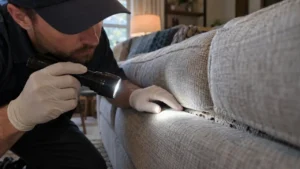
Next, inspect each book one by one under bright light. Pay special attention to the spine, the inside cover, the edge where the pages meet the binding, and any torn or loose sections. In heavier infestations, I also check the bottom edges of stacked books because bed bugs often settle into pressure points where books stay compressed together for long periods.
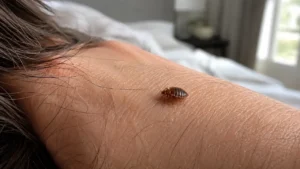
If you see live bugs, shed skins, dark fecal spotting, or eggs, set that book aside for treatment. If the book looks clean but was stored close to the infestation, it still deserves a treatment or at least a cautious quarantine. Small blood spots, dark fecal stains, shed skins, and pale eggs are all warning signs worth checking closely.
After that, choose the method that best fits the book. Delicate books often do better with freezing. Less fragile books may be suitable for controlled heat, especially when a professional can monitor the process. If the book is not important and you simply need to stop spread, secure isolation can buy time while you treat the room. Spray can be useful on nearby shelving or on limited outer areas, but it should never be used carelessly on paper and glue.
Then, do not stop at the book. Vacuum nearby shelves, the floor under the shelf, the baseboard, and the area around the bed or couch where the books were stored. Bed bugs rarely live in only one place if the infestation is active. If you ignore the room, the book may be clean but the problem will still be alive.
Finally, watch for signs that something was missed. If new bites continue, if you spot bugs near the reading area, or if the same book shows fresh activity after treatment, the infestation may still be active elsewhere. That is the point where a broader inspection becomes worth the time.
When To Keep a Book and When to Let It Go
Not every book is worth the same effort. A rare hardback, a signed copy, a family Bible, an old photo album, or a book with sentimental value may justify careful treatment and extra patience. A cheap, replaceable paperback may not.
In heavier infestations, I usually tell homeowners to focus first on containment and room treatment before making emotional decisions about what to throw away. People often discard items too early when the infestation itself is still active elsewhere.
That does not mean you should throw things away first and ask questions later. It means you should think realistically. If the book is badly damaged, has heavy staining, or has already been treated several times with poor results, replacement may be the most practical answer. On the other hand, if the book matters to you and the infestation is still limited, a careful treatment method can save it.
A lot of people are relieved to hear this because they assume any sign of bed bugs means their books are doomed. That is not true. Many books can be saved if you act before the infestation spreads deeper into the home.
How This Article’s Approach Helps More Than A Quick Fix
Random home remedies often fail because they do not address how bed bugs actually survive and spread. Effective treatment means containing the bugs, reaching hidden areas inside the book, and preventing reinfestation from the surrounding room.
That is why the methods in this guide focus on controlled heat, proper freezing, careful isolation, and realistic prevention. The goal is not just to kill visible bugs for a few days. The goal is to remove the infestation without damaging valuable books or allowing the problem to return later.
Signs The Treatment Did Not Fully Work
Sometimes you do everything right and still need another round because the infestation was bigger than it first looked. You may still have a problem if you notice fresh bites after the treatment, new specks or spotting on nearby shelves, or live bugs returning to the same storage area.
Another warning sign is if the same book starts looking active again after it has already been treated. That usually means the surrounding area was not controlled, or the treatment did not reach deep enough into the binding. In that case, repeat the inspection and fix the source, not just the symptom.
You also need to keep in mind that bed bugs move slowly in a visible sense but persistently in a practical sense. They do not need to race from room to room to cause trouble. They just need a chance to hitch a ride. One untreated item can keep the cycle alive.
Also Read: Most People Don’t Realize What Baby Bed Bugs Actually Look Like
When Professional Help Makes Sense
Some book infestations can be handled at home, especially when the problem is caught early and limited to a small area. But if you continue seeing bites, spotting, or live bugs after treatment, the infestation may already be established elsewhere in the room.
Professional help becomes especially worthwhile when:
- multiple rooms are involved
- books are highly valuable or irreplaceable
- repeated treatments are failing
- the infestation keeps returning
- you are finding bugs beyond the sleeping area
In larger infestations, the books themselves are often only one piece of the problem. A professional inspection can help identify hidden harborages that homeowners commonly miss around bed frames, furniture joints, wall voids, and baseboards.
Extra Prevention for Homes with a Reading Habit
If you love books, the best prevention is to make your reading space a bad place for bed bugs to settle in the first place. That means avoiding piles on the floor, keeping books away from the mattress edge, and not letting clutter build up under bedside tables or chairs.
After hotel stays or travel, avoid placing books directly onto beds or upholstered furniture until luggage and belongings have been inspected.
If you buy used books often, inspect them before they ever touch your shelves. If you borrow books, return them promptly instead of stacking them around your bed. If you keep books in bedrooms, try using closed shelves or clean bins rather than loose piles. Those small habits make a real difference over time.
And if you already know your home has had a bed bug issue before, be extra careful after travel, guest visits, or moving furniture around. A clean shelf is not protection by itself. It is just one part of a larger prevention routine.
Conclusion
Bed bugs in books are stressful, but they are not the end of your collection. The real trick is to stay calm and treat the problem the right way. Books can hide bed bugs, carry them to new rooms, and even hold eggs if you do nothing. But with the right mix of isolation, heat, freezing, careful spray use, and room-level bed bug control, you can remove them and keep them from coming back.
The biggest mistake is rushing. The second biggest mistake is guessing. If you handle the books carefully, treat the surrounding infestation properly, and avoid the usual shortcuts like microwaves and ovens, you give yourself a much better chance of finishing the job for good.
If you are dealing with a single suspicious book, start by isolating it and choosing the safest treatment. If you are dealing with a whole room full of books near an active infestation, treat the room as a whole problem, not just the shelf. That is how you get permanent results.