
If you just heard scratching in your wall or found droppings in a kitchen drawer, your first question isn’t really “how do I get rid of mice.” It’s “how much is this going to cost me?” Fair question. After years of walking into homes with every kind of mouse problem imaginable, I can tell you the cost of mouse extermination can vary quite a bit depending on a few specific things. This guide breaks down the costs that actually matter, from DIY traps and professional treatment to exclusion, cleanup, insulation replacement, and repairs.
Also Read: How To Use Steel Wool for Mice to Keep Them Out Fast
Quick Answer: How Much Does Mouse Extermination Cost?
Professional mouse extermination typically costs $150 to $600 for a straightforward treatment. Larger infestations can cost $600 to $1,200 or more, especially when extensive exclusion, cleanup, insulation removal, or repairs are required. DIY trapping can cost less than $50 for a small problem.
A Note About Mouse Extermination Prices
The prices in this guide are general U.S. estimates, not fixed national rates. Pest control companies price mouse work differently depending on location, infestation severity, accessibility, follow-up requirements, and whether exclusion or cleanup is included. A quote for a small home in a rural area can look very different from one for a larger home in a major metro area. Treat the numbers below as planning ranges rather than guaranteed prices.
The Cost of Mouse Extermination: What You’ll Pay
Most homeowners can expect professional mouse control to cost roughly $150 to $600 for a straightforward treatment, although more complicated infestations can cost considerably more once exclusion, cleanup, insulation removal, or repairs are added.
The important distinction is between getting mice out of the house and solving why they got inside in the first place. A basic trapping job may be relatively inexpensive. A larger infestation involving multiple rooms, inaccessible nesting areas, or numerous exterior entry points can require several visits and additional work. That is why two homeowners can receive very different quotes for what initially sounds like the same mouse problem.
Mouse Extermination Cost at a Glance
| Situation | Typical Planning Range | What Usually Drives Cost |
| DIY traps and basic supplies | Under $50 | Traps, bait, and basic supplies |
| Small professional treatment | $150–$300 | Inspection, trapping, and follow-up |
| Moderate infestation | $300–$550 | More traps, visits, and possible exclusion |
| Larger or established infestation | $600–$1,200+ | Labor, monitoring, access, and exclusion |
| Basic mouse exclusion | A few hundred dollars | Number and location of entry points |
| Extensive exclusion | $1,000+ | Multiple openings, repairs, and difficult access |
| Cleanup or contaminated materials | Varies widely | Area affected and material removal |
| Rodent-related repairs | Varies widely | Type and extent of damage |
These are planning ranges, not fixed national prices. The biggest question when comparing quotes is what each company includes in the price. Treatment, follow-up visits, exclusion, cleanup, and repairs may be priced separately.
Small Infestations
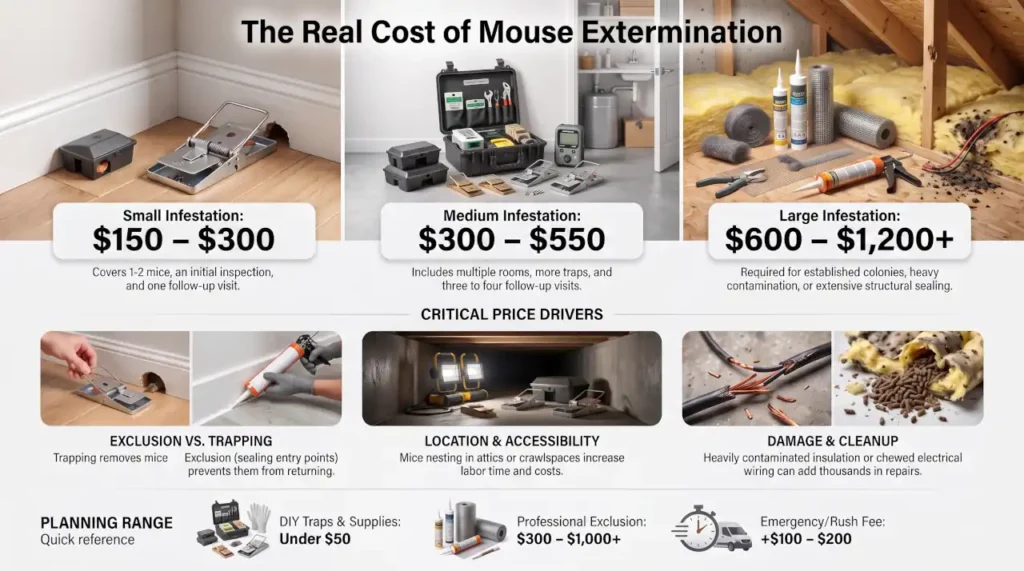
If you’ve seen one or two mice, maybe a few droppings near the pantry, you’re looking at a small infestation. Professionals usually charge between $150 and $300 for this. That price typically covers an inspection, trap placement in a handful of spots, and one follow-up visit to check the traps and remove any mice. A lot of companies can wrap this up in one or two visits over a week or so. It’s the cheapest scenario, and it’s also the one where acting fast actually saves you real money, because small infestations don’t stay small for long.
Medium Infestations
Once you’re finding droppings in multiple rooms, hearing noise in more than one wall, or you’ve already caught three or four mice yourself and more keep showing up, you’ve moved into medium territory. This usually runs $300 to $550. The higher price reflects more traps, more visits (often three or four spread across two to three weeks), and sometimes a bit of exclusion work to plug the entry points mice are using. Technicians will also spend more time here identifying nesting areas rather than just reacting to sightings.
Large Infestations
Large infestations, such as those involving multiple areas of the home, established nesting sites, heavy droppings, or repeated mouse activity despite trapping, can cost $600 to $1,200 or more depending on the amount of labor and follow-up required.
The final bill can become substantially higher when the job also involves extensive exclusion, contaminated insulation, sanitation, or repairs. In severe cases, the extermination itself may actually be only one part of the total project.
One important point: whole-structure fumigation is not a routine mouse-control method for residential homes. Most mouse infestations are handled with a combination of trapping or other appropriate control methods, exclusion, sanitation, and monitoring. If a company recommends an unusually expensive treatment, ask exactly what problem it is designed to solve and why less invasive options are not appropriate.
DIY Mice Removal Costs vs Professional Services
I get asked all the time whether it’s worth just doing it yourself. Honestly, for a mouse or two, it can be. A basic pack of snap traps can often be purchased for around $10 to $20, while DIY baiting costs vary considerably depending on the type and number of products used. If you catch the problem early and you’re diligent about checking and resetting traps every day, DIY can knock out a light infestation for under $50.
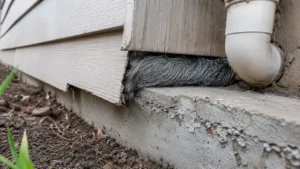
The catch is that DIY only works when the infestation is genuinely small and you know where the mice are getting in. Most homeowners don’t. Mice can squeeze through openings around 1/4 inch wide, including gaps around pipes, utility penetrations, doors, vents, siding, foundations, and other structural openings, and use appropriate materials when sealing mouse entry points. That’s the hidden cost of DIY: the money you save upfront can get spent later on damaged food, chewed wires, and a problem that keeps coming back.
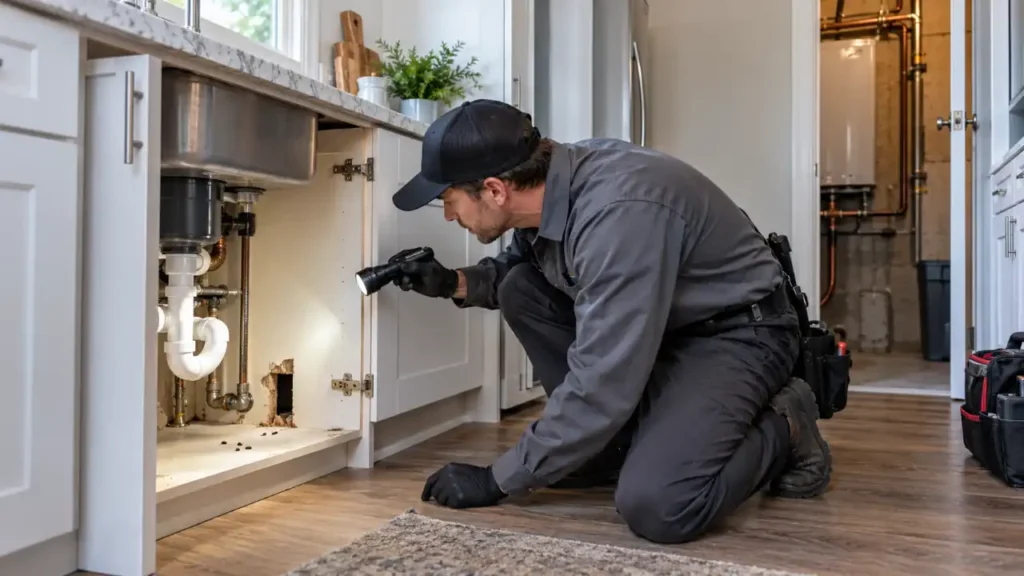
For a genuinely small problem, DIY trapping can be a reasonable first step. Homeowners also commonly try mouse-repellent scents, but these should not be treated as a substitute for trapping and exclusion. Once activity continues despite trapping, mice are appearing in several areas, or you cannot identify how they’re getting inside, professional help can save time and prevent the problem from becoming more expensive.
There’s also a time factor people tend to underestimate. DIY trapping means you’re the one checking traps every day, disposing of mice, and troubleshooting when bait doesn’t work. A professional mouse removal service handles all of that on a schedule, which matters a lot if you’ve got a full-time job and a family to take care of on top of a rodent problem.
Factors That Affect Extermination Costs
No two mouse jobs are priced the same, and it’s not random. A handful of specific factors drive the final number up or down.
Inspection fees. Some companies charge separately for an initial inspection, while others include the inspection in the treatment price or credit the fee toward service. Rather than assuming a standard inspection charge, ask whether the quoted price includes the inspection, treatment, follow-up visits, and any recommended exclusion work.
How bad is it? This is the single biggest factor. A one-mouse problem and a full colony require completely different amounts of labor, materials, and follow-up, so the severity of what’s actually happening in your home moves the price more than anything else on this list.
Where are they hiding? Mice in an easily accessible basement are cheap to deal with. Mice nesting inside wall cavities, above a dropped ceiling, or deep in blown-in attic insulation take longer to reach and often require opening up materials to get to them, which adds labor cost.
Your home’s size and age. Larger or more complicated homes can take longer to inspect because there are more potential entry points and concealed areas to check. Older homes may also have more gaps around foundations, siding, roofs, doors, plumbing penetrations, and utility lines. Instead of assuming that a certain number of dollars will automatically be added for square footage, compare what the technician is actually including in the quote.
Where you live. Cost of living plays a real role here. A technician’s hourly rate in a major metro area is going to be higher than in a small rural town, and that gets reflected in your quote.
Property type. A single-family home, a townhouse, and a multi-unit apartment building all get priced differently. Multi-unit properties can actually be trickier and pricier because mice move between units through shared walls and utility lines, so treating just one unit rarely solves the problem. If you manage a rental or a multi-unit building, it’s worth looking into a dedicated commercial pest control plan rather than treating units one at a time. In multi-unit buildings, mice can move through shared walls, ceilings, plumbing penetrations, and utility spaces, so treating one unit may not solve the underlying problem.
Emergency service. If you call on a weekend, a holiday, or late at night because you can’t stand another minute of scratching in the ceiling, expect to pay a rush fee. This typically adds $100 to $200 on top of the standard rate. Emergency service may add to the standard treatment cost, although the exact surcharge varies by company and location.
What Should a Mouse Extermination Quote Include?
Don’t compare mouse-control companies by price alone. Check what each quote actually includes.
A professional estimate should clearly state whether the price covers:
A $200 treatment covering one visit isn’t necessarily a better deal than a $400 treatment that includes several follow-ups and targeted exclusion. Before booking, ask: “What exactly is included in this price, and what could cost extra?”
Cost by Mouse Control Method
The control method affects the cost, but it usually isn’t what determines the entire price. Professional companies generally price mouse work based on the scope of the infestation, labor, materials, follow-up visits, and whether exclusion is included.
Snap Traps
Snap traps are one of the most common tools for indoor mouse control. They are inexpensive compared with many other control methods, but a professional treatment can still cost several hundred dollars because the bill includes inspection, trap placement, monitoring, and follow-up—not simply the cost of the traps themselves.
Electronic Traps
Electronic traps can cost more than conventional snap traps because of the equipment involved. They may be useful in certain situations, but they are not automatically more effective for every infestation. The overall treatment price depends more on how many devices are required and how much monitoring the job needs.
Bait Stations
Rodenticide may be used in some situations, particularly when trapping alone is not practical or when exterior activity needs to be addressed. The placement of bait should be based on the site and label requirements, with particular care around children, pets, and other animals. Ongoing monitoring can increase the total cost.
Live Traps
Live trapping can be appropriate in some circumstances, but it is not usually the simplest solution for an established indoor mouse infestation. Traps require frequent checking, and releasing captured rodents is subject to local laws and practical considerations. Homeowners should not assume that a technician can simply relocate captured mice wherever they choose.
Fumigation
Whole-structure fumigation is not a routine treatment for residential mouse infestations. Typical mouse problems are handled through trapping or other appropriate control methods, exclusion, sanitation, and monitoring. If a company recommends fumigation for mice, ask what specific condition makes it necessary and why less invasive control methods are not appropriate.
Rodent Exclusion and Prevention Costs
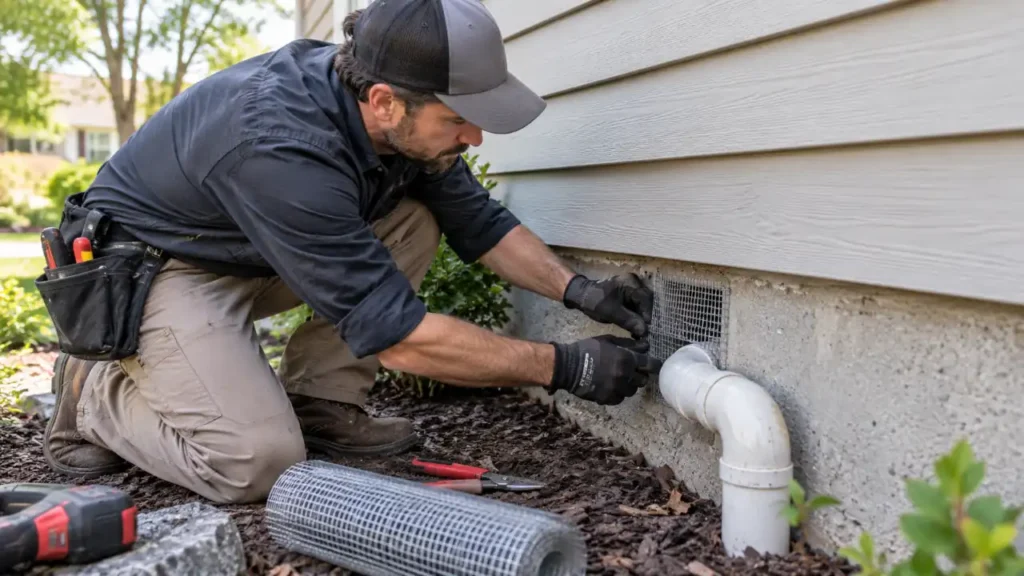
Exclusion pricing varies more than basic mouse-treatment pricing because the work can range from sealing a handful of small gaps to repairing numerous openings around the exterior of a house. As a general planning range, homeowners may encounter costs of a few hundred dollars for straightforward exclusion, while extensive work on an older or heavily penetrated home can reach $1,000 or more.
Before accepting an exclusion quote, ask for the specific entry points being sealed, the materials being used, and which repairs are included. A $300 quote and a $1,200 quote may be addressing very different amounts of work.
A lot of homeowners skip this step because it feels optional once the visible mice are gone. In reality, exclusion is one of the most important parts of long-term mouse control. Trapping can remove the mice currently inside, but if the same entry points remain open, another mouse can eventually get in.
Ask for an itemized explanation of exclusion work before approving it. A good quote should identify the major entry points being addressed and distinguish minor sealing from larger repairs that may require a contractor.
The practical takeaway is simple: trapping removes the mice that are already inside; exclusion addresses how they got there. In many homes, both are necessary. Paying for repeated trapping while leaving an obvious exterior entry point open can turn a one-time mouse problem into a recurring expense.
Recurring Service Plans and Annual Contracts
Recurring service can make sense for properties with repeated pest pressure, difficult-to-seal entry points, or a broader pest-control program. It isn’t automatically necessary after every mouse infestation. For some homes, a one-time treatment followed by proper exclusion is enough.
If you are comparing recurring plans, look at the annual cost and actual scope of service, not just the price per visit.
Quarterly plans may be appropriate for homeowners who want periodic inspections and preventive pest service. Ask whether rodent monitoring and exclusion checks are actually included, since some general pest plans focus primarily on insects.
Monthly plans generally cost more over the course of a year and make more sense when a property has persistent pest pressure or needs frequent monitoring.
Annual plans can bundle scheduled visits and other services, but the terms vary considerably. Check the number of included visits, covered pests, response time, and whether emergency or rodent-specific work costs extra.
One-time treatments can be the better fit for an isolated mouse problem, particularly when the source of the infestation can be identified and entry points are addressed. Always compare the total annual cost of a recurring plan with the cost of treating the actual problem you have.
Additional Cleanup and Sanitization Costs
Mice leave behind more than an unpleasant smell. Their urine, droppings, and nesting material can create sanitation concerns, particularly in enclosed areas that have accumulated contamination over time.
For small amounts of contamination, homeowners should take appropriate precautions when cleaning. The CDC’s guidance on cleaning up after rodents recommends disinfecting contaminated areas and avoiding practices such as sweeping or vacuuming dry rodent droppings, which can put contaminated particles into the air.
If you find a small amount of droppings, follow current CDC cleanup guidance rather than sweeping or vacuuming them dry. For heavy contamination, enclosed areas, or large amounts of nesting material, professional cleanup may be the safer option.
Professional cleanup becomes more useful when contamination is extensive, has reached insulation or difficult-to-access spaces, or when the homeowner is not comfortable handling the material safely. Costs commonly depend on the size of the contaminated area and how much material must be removed and replaced.
This step is easy to overlook because it happens after the mice are gone, when most people just want to move on. But significant contamination should not simply be left in place. If droppings or urine have accumulated in an attic, crawlspace, wall cavity, or other difficult-to-clean area, professional remediation may be worth considering rather than treating the cleanup as ordinary household cleaning.
Insulation Replacement Costs After Severe Infestations
When mice have been active in attic insulation for an extended period, some insulation may need to be removed because of heavy contamination, nesting, urine, droppings, or physical damage.
Replacement is not automatically required after every mouse infestation, however. The decision depends on the type and condition of the insulation, the extent of contamination, and whether affected material can be properly removed or cleaned.
When replacement is recommended, the cost depends heavily on attic size, insulation type, accessibility, removal requirements, and disposal.
If insulation replacement is recommended, ask to see the affected areas and have the contractor explain why removal and replacement are necessary. If a technician flags this during your inspection, it’s worth asking to see the affected area yourself before agreeing to the cost, just so you understand exactly what you’re paying for and why.
Repair Costs for Mice Related Damage
Mice don’t just eat food. They chew constantly to keep their teeth from overgrowing, and that habit gets expensive fast.
Electrical wiring damage deserves prompt attention. Rodents can damage wire insulation by gnawing on it, potentially creating an electrical hazard or leaving wiring in need of repair. If you find visible damage to electrical wiring, have it evaluated by a qualified electrician rather than assuming the damage is cosmetic.
Drywall and wall repairs from gnaw holes and nesting damage typically cost $200 to $600 depending on how many areas are affected and whether paint or texture matching is needed afterward.
Food contamination is a smaller line item individually, but it adds up. Once mice have been in your pantry, everything opened or unsealed needs to be thrown out, which can mean $50 to $150 in wasted groceries depending on how much you keep on hand.
HVAC system contamination can become a separate expense if mice have accessed ductwork or other HVAC components. Cleaning costs vary substantially depending on the system, the amount of contamination, and which components are affected. If you suspect contamination inside the HVAC system, have the affected equipment evaluated rather than assuming the entire duct system needs to be replaced.
Hidden long-term costs are the ones nobody budgets for: reduced home value if damage isn’t disclosed and repaired, higher energy bills from insulation gaps, and the ongoing cost of prevention once you’ve had one serious infestation. This is really the core argument for dealing with mice quickly rather than waiting to see if they go away on their own. If you’re dealing with any combination of these repairs, it’s worth getting a full rodent damage assessment so you know the total scope of the work rather than discovering new damage a few months at a time.
Regional Price Variations Across the United States
Where you live changes your final bill more than most people expect.
Published city-by-city averages can also be misleading because pest companies don’t always price the same scope of work. One quote may cover treatment only, while another includes inspection, follow-up visits, exclusion, or monitoring. Compare the work included in the quote rather than relying on a published city average alone.
Urban vs. rural markets can have noticeably different prices, but there isn’t a reliable national percentage that applies everywhere. Labor costs, operating expenses, travel time, housing density, local demand, and competition all affect what a pest-control company charges. A major metropolitan market may have higher labor rates, while a rural homeowner may pay more for travel or have fewer providers available.
Competition among local pest control companies also affects pricing. Areas with several companies competing for business tend to have more competitive rates and more room to negotiate, while areas with only one or two providers often see higher, less flexible pricing.
Local mouse populations matter too. Regions with harsher winters see a seasonal surge in mice trying to get indoors, which drives up demand and, temporarily, prices, especially from October through March.
Local regulations. Pesticide and rodent-control requirements vary by state and locality, and licensed professionals may have requirements that affect how certain products or services can be used. Homeowners should compare quotes based on the actual work being proposed rather than assuming regulatory differences automatically make one treatment more expensive.
None of this means you’re stuck with whatever the first quote says. Compare the actual scope of work rather than choosing a company based solely on whether it is local or national. A useful quote should explain what was found, what treatment is proposed, how many visits are expected, and which additional services are included or excluded.
Signs Your Mouse Problem May Require Professional Help
Some situations call for a phone call, not another trip to the hardware store.
If you’re seeing droppings daily, you have evidence of ongoing mouse activity rather than an isolated visit. If you hear scratching or running in the walls, especially at night, mice have likely already set up a nest somewhere in your structure. If you’ve caught several mice but more keep appearing, you’re not dealing with an isolated animal, you’re dealing with a breeding population, and traps alone usually can’t keep pace with how fast mice reproduce.
A strong musky odor, especially in an enclosed space like a closet or under a sink, usually means urine has built up over time. Gnaw marks on baseboards, wires, or food packaging are a clear sign mice are actively living and feeding in that area. And if you’ve found an actual nest, shredded paper, fabric, or insulation balled up somewhere hidden, that’s strong evidence of an established infestation, not simply a one-off visitor.
Waiting can make a mouse problem harder and more expensive to control because mice reproduce quickly under favorable conditions. A small number of mice can turn into a much larger infestation when food, shelter, and nesting sites are available. Rather than trying to calculate exactly how many mice you have based on how many you see, treat repeated sightings, fresh droppings, and continued activity as signs that the problem may be established.
You don’t necessarily need professional help because you’ve seen one mouse. The stronger warning signs are continued activity, evidence in multiple areas, repeated sightings after trapping, inaccessible nesting areas, or uncertainty about where mice are entering.
If activity continues after reasonable trapping and exclusion efforts, an inspection can help determine whether you’re dealing with a few occasional intruders or an established infestation.
How to Save Money on Mouse Control
There are several legitimate ways to keep the total cost under control without cutting corners.
Compare multiple quotes. Get two or three itemized estimates when practical. Don’t compare only the bottom-line price. Check whether each quote includes inspection, treatment, follow-up visits, exclusion, and cleanup.
Ask what happens after the first visit. A low initial price can become expensive if every follow-up visit is billed separately. Find out how long the company expects the treatment to take and what happens if mouse activity continues.
Address entry points. Spending money on trapping without dealing with obvious exterior openings can lead to repeated problems. Ask which entry points need attention and whether sealing them is included in the quote.
Prepare the property. Remove clutter from areas that need to be inspected and make attic, basement, crawlspace, garage, and utility areas accessible when possible. This can make the inspection more efficient.
Ask about guarantees carefully. A service guarantee can be valuable, but read the terms. Some guarantees cover follow-up treatments but exclude exclusion work, structural repairs, or new infestations.
Check your insurance policy. Don’t assume rodent damage is covered—or excluded. Coverage varies by policy and by the cause of the damage. Ask your insurer specifically about the type of damage you have discovered. Coverage depends on the cause and type of damage, so don’t assume that extermination, wiring repairs, insulation replacement, or cleanup will be covered simply because mice caused the damage.
Don’t pay for unnecessary work. A good estimate should explain what the technician found, what treatment is being recommended, what it costs, and why each additional service is necessary. If a proposal includes expensive work you don’t understand, ask for an explanation before approving it.
Also Read:
Ready to Compare Your Options
If you’re comparing professional mouse-control prices, don’t choose based on the advertised starting price alone. Ask what the quote includes, how many visits are expected, whether exclusion is included, and what happens if mice continue to appear.
Having basic details ready—where you’ve seen mice, how long activity has continued, whether you’ve caught any, and whether you’ve found an entry point—can also help a provider understand the scope of the problem.
Final Thoughts
Mouse control costs vary because the job itself can vary dramatically. A few mice caught early may require little more than traps and some basic exclusion. An established infestation can involve repeated monitoring, extensive entry-point repairs, contaminated materials, or electrical and structural repairs.
The most useful thing a homeowner can do is look beyond the initial treatment price. When comparing estimates, find out exactly what is included, how many visits are expected, whether exclusion is part of the job, and what happens if mice continue to appear.
If you’re seeing fresh droppings, repeated mouse activity, nesting material, or signs of entry throughout the home, dealing with the problem early is usually easier than waiting for the infestation and associated damage to grow.