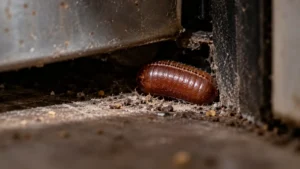

If you’ve spotted even one roach scurrying across your kitchen floor at night, you’re probably asking yourself the same question every homeowner asks: why is this happening to my house? After nearly two decades of crawling into attics, checking under sinks, and pulling apart infested pantries, I can tell you it’s rarely bad luck.
Roaches show up when a home gives them some combination of food, water, shelter, warmth, or an easy way in. Sometimes those conditions are inside your house; other times, especially in apartments and attached homes, the pressure is coming from somewhere nearby.
Also Read: Cost Of Cockroach Extermination: Cheapest Isn’t Always Best
Quick Answer: What Attracts Roaches?
Roaches are mainly drawn to food, moisture, shelter, warmth, and easy access. Crumbs, grease, pet food, leaks, standing water, clutter, cardboard, and warm appliances can all support cockroach activity. In apartments and attached homes, roaches may also enter from neighboring units through shared walls, plumbing penetrations, and other building gaps.
One Important Difference: Roach Species Matter
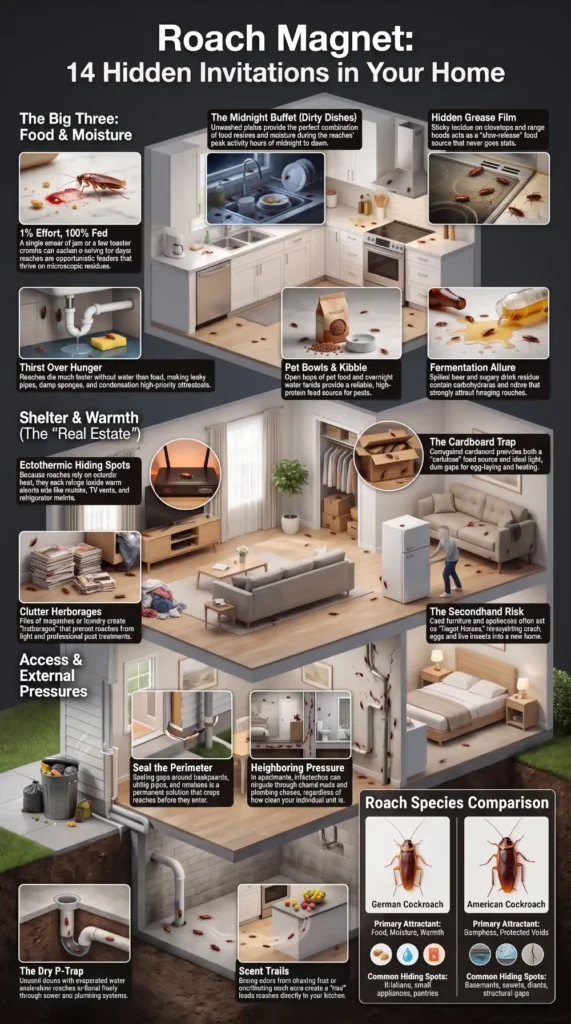
Before blaming a particular attractant, identify what kind of cockroach you’re dealing with. German and American cockroaches and other species don’t all use homes in the same way. A German cockroach infestation centered around a kitchen is a different problem from an American cockroach entering a home from outside or through plumbing and structural openings. The attractants below are common factors, but the species and location of the activity tell you which ones deserve the most attention.
For example, German cockroaches are strongly associated with kitchens and other areas where food, moisture, and warmth are available. American cockroaches are more often associated with damp areas such as basements, drains, sewers, and other protected spaces, and may enter buildings from outside. That distinction matters because the right place to look depends on the species you’re dealing with.
What Attracts Roaches? 15 Surprising Culprits
Now that you know why roach species matter, let’s look at the everyday conditions that can provide food, moisture, warmth, shelter, or a way into your home.
1. Food Crumbs and Leftover Meals
This is the big one, and it’s usually the first thing I check when I walk into a home for an inspection. Roaches don’t need much. A few crumbs under the toaster, a smear of jam on the counter, or cereal dust in the bottom of the pantry is enough to keep a colony fed for days. They’re not picky eaters either. Bread, meat, sugar, grease, pet kibble, and starchy foods like pasta can all provide an easy meal. Even the glue on the back of a stamp or a cardboard box can provide a food source when other options are scarce. Open containers and poorly sealed cereal boxes also make food easier for roaches to access.
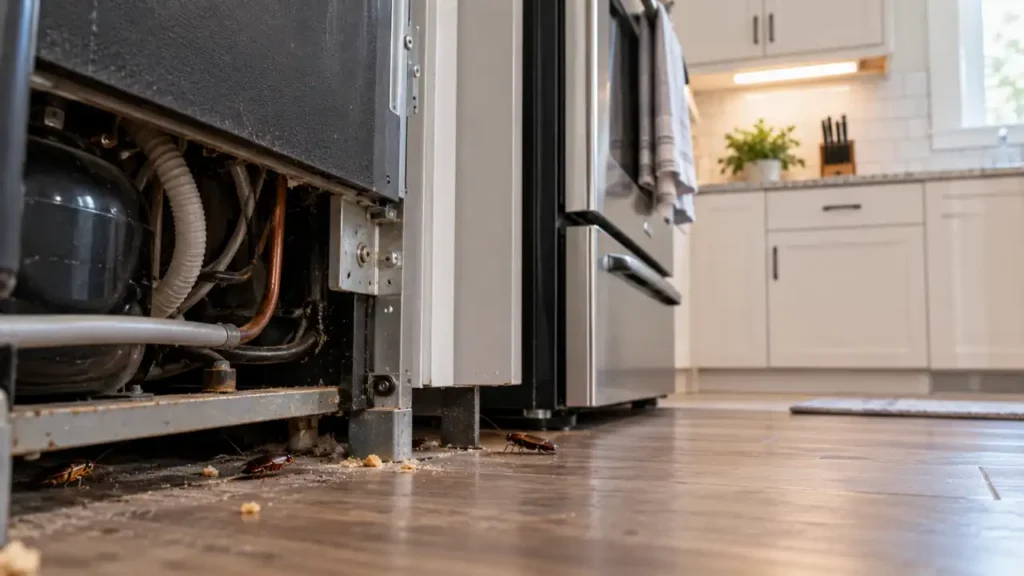
What surprises people is how little food a roach needs to find a home worthwhile. Roaches are opportunistic feeders and can make use of very small amounts of food residue, including crumbs and grease that are easy for homeowners to overlook. That’s why the areas you never really look at—behind the stove, under the refrigerator, and inside or beneath small appliances—deserve attention too.
2. Dirty Dishes in the Sink
Leaving dishes in the sink overnight feels harmless. You’re tired, it’s late, and you tell yourself you’ll deal with it in the morning. But to a roach, a sink full of dirty plates is an easy combination of food residue and moisture. Bits of leftover sauce, rice stuck to a pan, or a cereal bowl with a little milk left in the bottom gives them everything they need: food and moisture in one convenient spot.
The important issue isn’t the dirty plate itself. It’s the combination of accessible food residue, moisture, and a quiet area where roaches can feed without being disturbed.
Roaches are mostly active between midnight and early morning, which is exactly when your kitchen is quiet and those dishes are sitting untouched. If you’re dealing with nighttime activity, these habits can also help you keep cockroaches away at night. If this is a nightly habit in your house, that’s a nightly invitation. Try to get into the routine of rinsing plates immediately after eating, even if you don’t have time to fully wash them. A quick rinse removes the food residue that actually draws roaches in, and it takes less time than people think.
3. Standing Water and Moisture
Roaches can survive considerably longer without food than they can without access to water, which is why accessible moisture is such an important factor in an infestation. A dripping faucet, leaking pipe, condensation, damp sponge, or water collecting beneath an appliance can provide a dependable water source. In some homes, moisture may be the factor that keeps an infestation going even after obvious food sources have been cleaned up.
I’ve pulled roaches out from behind loose tile grout near a shower, from under a slow leak beneath a dishwasher, and from the drip tray of an old air conditioning unit. These aren’t exotic hiding spots. They’re the ordinary damp corners of a normal house. If you’ve got a plumbing leak, even a small one, fixing it does double duty: it stops water damage and it removes a resource roaches genuinely need to survive. Check under sinks monthly, dry out shower areas after use, and don’t let a puddle sit around your washing machine or water heater.
4. Warm Electronic Devices and Appliances
Roaches are ectothermic, meaning their body temperature is influenced by their surroundings. Warm, dark, protected spaces can therefore make favorable hiding areas, particularly when the surrounding environment is cooler. Televisions, computers, gaming consoles, routers, refrigerators, dishwashers, and other appliances can provide that combination of warmth and shelter.
I’ve opened up the backs of old television sets and found roach droppings and shed skins tucked into the vents. It’s not that they’re eating the electronics, although damage to wiring and other materials can occur in heavily infested environments, it’s that the warm, dark, undisturbed space behind a device is close to ideal roach real estate. If you’ve got electronics that rarely get moved or cleaned behind, that’s worth adding to your regular cleaning rotation. Vacuuming behind and underneath large appliances every couple of months goes a long way.
5. Grease and Cooking Oil
Grease buildup is one of the most overlooked roach magnets in the average kitchen. That thin, sticky film that collects on your stovetop, range hood, and the wall behind your oven is basically a slow release food source. Roaches are drawn to the fatty residue, and because grease doesn’t dry out or go stale the way crumbs do, it can sit there attracting pests for weeks or months without anyone noticing.
Deep cleaning your stove and range hood regularly matters more than people realize. I usually recommend wiping down the stovetop after every use and doing a proper degrease of the hood filter and surrounding wall at least once a month, more often if you cook with oil frequently. If your rental or older home has a range hood that hasn’t been cleaned in a while, that greasy buildup could be a bigger draw than anything in your pantry.
6. Cardboard Boxes and Paper Products
Cardboard is one of my least favorite things to see stacked in a garage or storage room, and for good reason. Roaches love it for two reasons. First, the corrugated layers inside a cardboard box create tiny dark spaces that can provide convenient hiding places. Second, cardboard contains cellulose and may serve as a food source for some cockroach species when other food is scarce.
This is especially relevant if you’ve recently moved. Roaches or cockroach egg cases can be transported accidentally in boxes, bags, appliances, furniture, and other belongings that came from an infested location. That’s one reason I recommend breaking down and recycling moving boxes once you’ve unpacked rather than keeping stacks around indefinitely. For long-term storage, plastic bins with tight-fitting lids are a better choice than cardboard, particularly in damp garages, basements, or storage rooms.
7. Pet Food and Water Bowls
If you’ve got a dog or cat, their food and water bowls can become an important food and moisture source for roaches, particularly when they’re left out overnight. A bowl of dry kibble left out overnight is essentially a buffet, and the water bowl solves the moisture problem for any roach in the area. Even small amounts of food left stuck to the bowl after your pet finishes eating are enough to draw attention.
I generally suggest picking up food bowls after your pet is done eating rather than leaving them out around the clock, and washing both food and water bowls daily. If you free-feed your pet, consider switching to scheduled meals, or at minimum store the bulk bag of kibble in a clean, tightly sealed container rather than leaving an open food bag accessible.
8. Garbage and Compost
Your trash can is doing exactly what it’s designed to do, holding onto food waste, and that’s precisely why it’s such a strong roach attractant. An overflowing kitchen bin, a garbage can without a tight lid, or a compost bucket sitting on the counter all provide readily accessible food and organic material, while the odors associated with that waste can also help roaches locate potential food sources. Compost is particularly attractive because it’s a slow, ongoing source of decaying organic material, which is basically a five-star roach restaurant.
Take your kitchen trash out every night if you can, not every few days. Use a bin with a lid that actually seals rather than one that just flips open, and rinse out recycling before it sits in the bin, since sticky cans and jars are just as appealing as food scraps. If you compost, keep it in a sealed container and empty it into an outdoor bin regularly rather than letting it build up indoors.
9. Dark, Cluttered Hiding Places
Roaches are creatures of habit, and one habit they never break is avoiding light and open space. They want tight, dark, undisturbed areas where they can hide during the day and come out at night. Cluttered closets, stacks of newspapers or magazines, piles of laundry, and disorganized garages all check every box on a roach’s list of ideal real estate.
This is why decluttering is such a consistently recommended step in pest control, not because mess itself feeds roaches, but because it gives them places to hide from you and from any treatment you apply. In practice, clutter matters most when it creates protected harborages close to food and moisture. A stack of boxes across an otherwise dry garage isn’t automatically a roach problem; a stack of boxes beside a leaking utility sink is a much different situation.
I’ve walked into homes where a single cluttered hall closet was hiding an entire roach population that the homeowner had no idea existed. Going through storage areas every few months, getting rid of things you don’t need, and keeping items off the floor makes a real difference in how many hiding spots are available.
10. Cracks, Gaps, and Entry Points
Roaches don’t need much of an opening to get into a home. Smaller species such as German cockroaches can squeeze through surprisingly narrow cracks and gaps. Common trouble spots include gaps around baseboards, plumbing and electrical penetrations, cabinets, windows, and exterior doors. During inspections, these are some of the first areas I check when there’s evidence that roaches may be entering from another part of the building or from outside.
Walking around the outside of your home and looking for gaps is worth doing at least once a year. Seal appropriate gaps around utility pipes, cables, doors, and windows, and address minor non-structural cracks with a suitable sealant. It’s not glamorous work, but sealing entry points is one of the most permanent solutions available, because it stops roaches from getting in at all rather than just making your home less appealing once they’re already inside.
If you’ve already removed obvious food and water sources but are still seeing roaches, bait can be another practical part of an overall control strategy. Use any roach bait according to the product label and place it where roach activity is actually occurring rather than treating it as a substitute for sanitation and exclusion.
11. Plumbing and Drain Systems
Plumbing areas deserve attention, but the bigger issue is usually the combination of moisture, concealed voids, and openings around pipes rather than roaches routinely swimming up through household drains. In apartments and older buildings, plumbing penetrations can also connect otherwise separate areas and provide protected routes for pest movement.
Unused drains are still worth maintaining. A dry P-trap can allow sewer gases and odors into the room, so periodically running water through rarely used sinks, floor drains, and other fixtures helps keep the trap filled. For floor drains or openings where pest entry is a concern, an appropriate drain cover can provide an additional physical barrier.
During inspections, I pay particular attention to the space underneath sinks and around pipe penetrations. If you see roaches near plumbing, don’t just treat the drain itself. Look for leaks, condensation, gaps around pipes, and hidden voids in the cabinet or wall behind the fixture. Those conditions are often more important than the drain opening itself.
12. Strong Food Odors and Scents
Roaches use their sense of smell to locate food and other resources, so strong food odors can be part of what draws them toward an area. Fermenting or spoiled food, sugary spills, grease, and food residue left on counters or floors are more meaningful concerns than the scent of an ordinary household product.
Keeping ripe fruit in the fridge rather than a bowl on the counter, taking out food waste promptly, and being mindful of what’s left sitting out overnight all help reduce the odor trail that roaches follow. It’s a good reminder that something as ordinary as leaving ripe fruit on the counter can provide another accessible food source when roaches are already active in the area.
13. Beer, Sugary Drinks, and Fermenting Foods
Beer and other alcoholic beverages can attract cockroaches because they may contain sugars, carbohydrates, and fermentation byproducts that can serve as food sources. Spilled beer, unrinsed cans and bottles, and fermenting fruit or other organic material can therefore become additional food sources, particularly when they’re left accessible overnight.
If you host gatherings regularly, it’s worth doing a sweep after guests leave rather than waiting until morning. Rinse out cans and bottles before they go in the recycling, wipe down any spilled drinks immediately, and don’t leave half finished cups sitting around overnight. It’s a small extra step, but for households that entertain often, it closes off a food source most people never think to check.
14. Furniture and Upholstered Items
Secondhand furniture can introduce cockroaches into a previously unaffected home, particularly when the furniture came from an infested property. Couches, cabinets, appliances, and other items with protected cracks and cavities can provide places for roaches or egg cases to remain hidden during transport. Upholstered furniture can also contain food residue that makes it more attractive once it’s brought indoors.
Before bringing secondhand furniture inside, it’s worth inspecting it closely in a garage or outdoor space first, checking seams, the underside, removable cushions, and hidden cavities for droppings, egg cases, live or dead roaches, or other signs of activity. If you’re buying new furniture, keep food and drinks away from it as much as possible, since crumbs worked into upholstery are much harder to clean out than crumbs on a hard floor.
15. Neighboring Infestations
Sometimes the attractant isn’t inside your home at all. If you live in an apartment building, duplex, or row of townhomes, a roach problem next door can increase the pressure on your unit, particularly when walls, plumbing chases, utility penetrations, or other connected building spaces provide a route between units. I’ve treated units where the homeowner kept an immaculate house, yet kept getting roaches because a neighboring unit had an ongoing infestation, allowing cockroaches to continue moving between connected areas of the building.
If you suspect this is happening, it’s worth talking to your building management or neighbors, since a one sided treatment rarely solves a shared building problem. This is also why cockroach control works better when you address the conditions supporting the infestation rather than relying on a single treatment. The U.S. Environmental Protection Agency’s cockroach guidance recommends an integrated approach that includes sanitation, reducing food and water sources, eliminating hiding places, and preventing entry. Sealing entry points around shared walls and pipes, as mentioned earlier, helps limit how much can migrate into your space even if the source is next door.
Also Read: How To Kill Cockroach Eggs: 12 Ways (Plus the Spots You’re Missing)
Which Roach Attractants Matter Most?
The biggest things that attract roaches are accessible food, moisture, and protected shelter. Crumbs, grease, pet food, leaks, standing water, clutter, and warm hiding places can all support cockroach activity. In apartments and attached homes, neighboring infestations and openings around plumbing or walls can also bring roaches into an otherwise clean home.
Not all 15 attractants carry equal weight. In most homes, I would put accessible food, moisture, and shelter at the top of the list. Those three conditions can support an infestation even when the house looks reasonably clean.
Entry points and neighboring infestations are a different category. They don’t necessarily attract roaches in the same way food does, but they can determine whether roaches are able to get into your home or keep returning after you’ve cleaned up.
The practical takeaway is simple: don’t spend an hour hunting for one mysterious smell while ignoring a leaking sink, an open pet-food bag, or a pile of cardboard beside the refrigerator. Fix the conditions that provide the easiest combination of food, water, warmth, and shelter first.
Final Thoughts
When homeowners ask what attracts roaches, the answer usually isn’t one mysterious thing. Food, moisture, shelter, warmth, and easy entry points can work together to make a home appealing. In apartments and attached homes, pressure from a neighboring infestation can also be part of the problem.
Start with the conditions you can control: clean up food residue, fix leaks, keep pet food contained, take out food waste regularly, reduce clutter, and seal obvious gaps around doors, windows, pipes, and utility openings. If roaches continue appearing after you’ve addressed those conditions, don’t assume you simply need to clean more. Identify the species and look for hidden harborages or activity coming from another part of the building.
The most important thing is consistency. A home doesn’t have to be perfectly spotless to stay less attractive to roaches, but food, water, and shelter shouldn’t be allowed to remain easily available. Keep checking the areas where moisture and clutter tend to return, and you’ll have a much better chance of catching a developing problem before it becomes established.