Finding bed bugs in your couch is a special kind of gross. This is the spot where you unwind after work, where the kids pile up for movie night, where guests sit when they come over. After eighteen years of crawling through infested homes with a flashlight in hand, I can tell you that couches are one of the most common places bed bugs set up shop outside the bedroom. The good news? You can get rid of them, and I’m going to walk you through exactly how to get rid of bed bugs in your couch for good.
Also Read: Bed Bug Bite vs Mosquito Bite: How to Tell the Difference Fast
Quick Answer
Yes, you can get rid of bed bugs in your couch by combining heat, thorough cleaning, and careful monitoring. Wash all removable covers on high heat, dry them on the hottest setting approved for the fabric, vacuum every seam and crevice, steam the entire couch, and use an EPA-registered bed bug insecticide if needed. Finish by placing interceptor traps under the couch legs and inspecting nearby furniture to make sure the infestation hasn’t spread.
How Do Bed Bugs End Up in Couches?
People assume bed bugs stick to the bedroom because, well, it’s right there in the name. But bed bugs don’t actually care what piece of furniture you’re using. They care about one thing, and that’s getting a blood meal. They’ll happily feed on any mammal, but humans are their favorite because our blood is warm, easy to access, and available on a predictable schedule.
Since bed bugs are nocturnal, they do almost all of their feeding while you’re asleep and unlikely to notice a bite happening in real time. So if you’re the type who falls asleep on the couch while watching TV, or you regularly nap there during the day, you’ve basically rolled out the welcome mat. Bed bugs follow the food source, and if you spend enough time snoozing on that couch, they’ll relocate there just like they would to a bed.
There’s also the simple matter of proximity. A lot of apartments, especially smaller ones, have the couch just a few feet from the bedroom. Bed bugs are excellent hitchhikers and can crawl surprisingly far in search of a nearby host, especially in apartments and smaller homes where rooms are close together. If your bedroom already has an infestation, it’s only a matter of time before some of those bugs wander into the living room and take up residence in the couch cushions.
Upholstered furniture, especially couches, also happens to be built for hiding. Between the seams, the piping, the underside of cushions, and the wooden frame underneath the upholstery, there’s no shortage of dark, tight spaces for bed bugs to tuck themselves into during the day. Add secondhand furniture into the mix, and you’ve got another common entry point. A used couch picked up from a yard sale, a curb, or even a thrift store can carry bed bugs or their eggs without any obvious sign of trouble until it’s already in your living room.
Quick Tip: If your couch sits close to your bed, don’t rule out the possibility that the infestation started there and simply spread over. Bed bugs spread fast, so a small problem in the bedroom can turn into a two-room infestation faster than most people expect. Treating just the couch while ignoring the bedroom (or vice versa) is one of the biggest mistakes homeowners make.
Signs That They’re Living in the Couch
Bed bugs are sneaky. They’re built to avoid detection, and by the time most people notice something’s off, the population has already had weeks to grow. That’s why it pays to know exactly what to look for instead of waiting until you’re covered in bites. Here’s what a thorough inspection should include.
One thing I’ve learned over the years is that homeowners often stop searching after finding the first sign of bed bugs. Don’t. If you find live bugs, eggs, or droppings in one cushion, inspect the entire couch from top to bottom, including underneath the dust cover on the bottom if you can remove it without damaging the furniture. Bed bugs rarely stay confined to a single hiding place once a population begins growing.
Live Bed Bugs
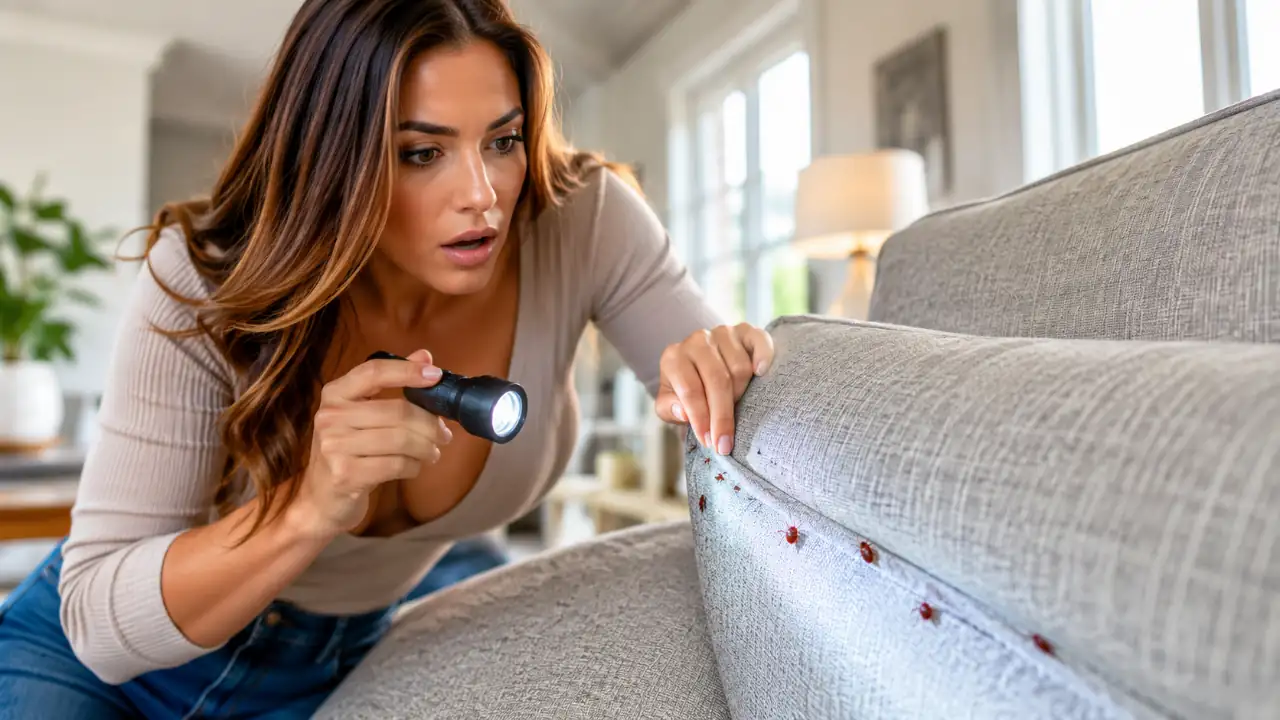
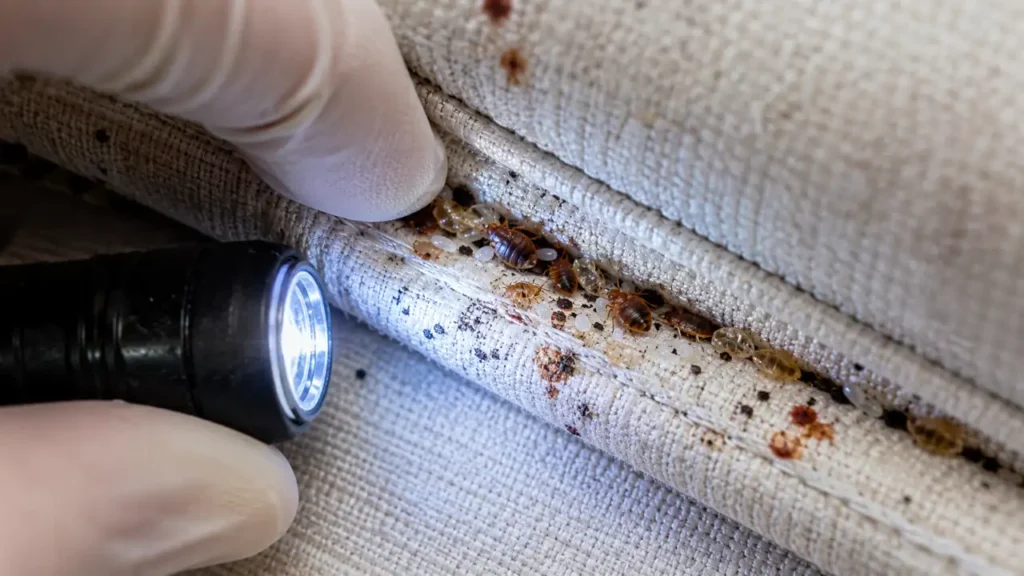
The most obvious sign is spotting the bugs themselves. It’s not always easy since they hide during daylight hours, but overcrowding in their hiding spots eventually pushes some of them out into the open, especially when the population gets big enough that their nest can’t comfortably hold everyone.
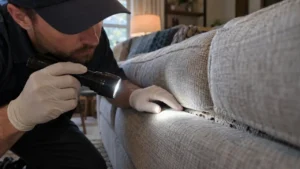
Grab a bright flashlight and get up close with your couch. A thin plastic card or old credit card can also help gently separate seams so you can see deeper into hiding spots without damaging the upholstery. Check along the seams, in the folds near the armrests, under the cushions, and along the piping. If you’re able to flip the cushions or peek underneath the couch, take a look at the wood framing too, since bed bugs can live in wood just as easily as they hide in fabric.
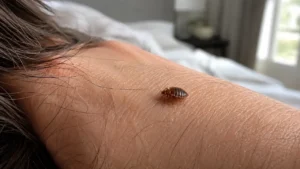
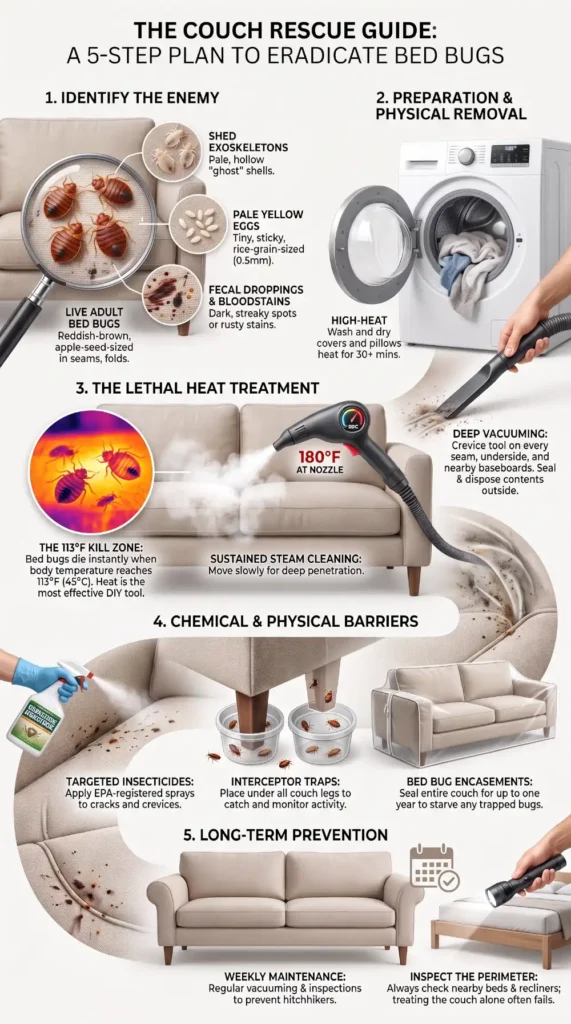
Adult bed bugs are roughly the size and shape of an apple seed. They’re a reddish-brown color, flat when unfed, and noticeably plumper and darker after a recent meal. Their bodies have those distinctive accordion-like ridges on the abdomen that expand as they feed.
Don’t overlook younger bed bugs, known as nymphs. They’re much smaller than adults and can appear pale or almost translucent until they’ve had their first blood meal, making them easy to miss during a quick inspection.
Quick Tip: Try not to disturb the couch too aggressively while inspecting it. Flipping it upside down or shaking cushions around can send bed bugs scattering to other parts of the room, which only makes your job harder.
Shed Exoskeletons
Here’s something a lot of people don’t know: bed bugs shed their skin multiple times as they grow. Adults stop shedding once they’re fully mature, but baby bed bugs go through five separate growth stages before reaching adulthood, and they molt between each one. That means for every bug maturing in your couch, there could be several shed skins left behind.
These leftover shells are pale, hollow, and shaped like tiny ghost versions of the bugs that left them. They’re made from a tough material similar to what’s in your fingernails, so they don’t just crumble away. If you find these in your couch, it’s a strong sign that bed bugs aren’t just passing through, they’re actively breeding and growing there.
Eggs
Bed bug eggs are one of the trickiest signs to catch because they’re so small, usually about the size of a grain of rice cut in half. They’re off-white or pale yellow and have a slightly sticky coating that lets them cling to fabric, wood, and other surfaces.
A single female bed bug can lay a handful of eggs every single day, and over her lifetime that adds up to hundreds. Most females lay their eggs close to where they’ve been feeding, so check the same crevices and seams where you’d expect to find live bugs. A dark-colored couch will actually make this easier since the pale eggs stand out more against contrasting fabric.
Droppings
Bed bug droppings look like small dark spots or streaks, usually black or dark brown, sometimes with a slight rusty tint if they get smeared. They’re essentially digested blood, which is exactly as unpleasant as it sounds.
Because people sit on the couch regularly, those droppings tend to get rubbed and spread around, which is why you’ll often see streaky stains instead of neat little dots. The longer they sit, the more they set into the fabric, so fresh stains are usually easier to clean than old ones. If you’re noticing dark smudges on your cushions that weren’t there before, that’s worth investigating further.
Bloodstains
The last major sign is small bloodstains, usually tiny reddish or rust-colored spots. These aren’t from the bugs themselves. They’re from you. Bites sometimes continue bleeding slightly after the bug is done feeding, and bugs occasionally get squashed or disturbed mid-meal, leaving a small mark behind.
You’ll typically notice these more easily on light-colored upholstery, throw pillows, or blankets. On their own, bloodstains aren’t definitive proof of bed bugs since other things can cause small stains too, but combined with any of the other signs above, they’re a solid piece of the puzzle.
How To Get Rid of Bed Bugs in Your Couch
Once you’ve confirmed you’re dealing with bed bugs, it’s time to get moving. These pests reproduce quickly, and every day you wait gives them more time to establish a bigger population and spread to other rooms. Here’s the process I recommend, based on what actually works in the field, not just what sounds good on paper.
Before you start treatment, reduce clutter around the couch and avoid moving cushions, blankets, or throw pillows into other rooms. Bed bugs are excellent hitchhikers, and carrying infested items through the house is one of the fastest ways to spread an infestation.
Before assuming the infestation is limited to the couch, inspect nearby mattresses, box springs, and bed frames as well. Bed bugs often spread to multiple hiding places close to where people regularly sleep or rest, so catching activity in nearby furniture early can save you a much larger treatment later.
Wash What You Can
Start with anything removable. Cushion covers, throw pillows, blankets, and slipcovers should all come off the couch and go straight into the wash. Don’t let them sit around in a pile first, since that just gives the bugs more time and more places to crawl to.
Set your washing machine to the hottest setting that’s safe for the fabric. Bed bugs are no match for scalding hot water, but the dryer is the most reliable part of the process. After washing, dry everything on the highest heat setting approved for the fabric for at least 30 minutes. The sustained heat helps ensure any bed bugs or eggs that survive the wash cycle are killed before the items go back on your couch.
Quick Tip: If you’re not sure your washer reaches a high enough temperature, run a longer cycle, around 90 minutes, on the hottest setting available. The extended exposure time helps make up for a slightly lower peak temperature. And if certain items won’t fit in your machine, a trip to the laundromat is worth it. Commercial washers and dryers often handle bulky items more effectively than residential machines, making them a good option for oversized cushion covers and blankets.
Vacuum Thoroughly
While your laundry runs, grab your vacuum and get to work on the couch itself. Don’t stop with the couch. Inspect nearby recliners, ottomans, side tables, curtains, and baseboards as well. If bed bugs have been living in the couch for more than a few weeks, there’s a good chance they’ve begun exploring nearby hiding places.
This step matters more than a lot of people realize. Vacuuming physically removes bugs, eggs, shed skins, and droppings from the surfaces and crevices where they’re hiding, even if it doesn’t kill every single one on contact.
Use every attachment your vacuum has. The crevice tool is your best friend here since it can reach into seams, folds, and tight gaps that a standard nozzle can’t. Go slowly and methodically across the entire couch, not just the spots where you spotted activity. Bed bugs can be hiding in areas you haven’t checked yet.
Quick Tip: Pay extra attention to seams, piping, and the underside of the couch where it meets the frame. These tight, dark spaces are prime real estate for bed bugs, and they’re easy to overlook if you’re rushing.
If your vacuum has a HEPA filter, use it. It helps keep anything you pick up from becoming airborne again during the cleaning process. Once you’re finished, don’t just empty the canister into your household trash. Seal the contents in a plastic bag and dispose of it outside right away, since live bugs can and do escape from a loosely closed trash can. If your vacuum uses a disposable bag, remove and discard it immediately after cleaning. If it’s bagless, wash the collection bin if the manufacturer’s instructions allow, making sure no live bugs remain inside.
Steam
Steam cleaning is one of the most effective tools available for treating a couch, and it’s a method a lot of professional exterminators rely on regularly. The heat from steam kills bed bugs and their eggs on contact, and unlike sprays, it doesn’t rely on the bug walking across a treated surface later.
You can rent a steam cleaner from many hardware or home improvement stores if you don’t want to buy one outright, though owning one isn’t a bad investment if you want a tool you can use for general home cleaning down the road too. Look for a machine that can reach at least 180 degrees Fahrenheit at the nozzle, since that’s hot enough to kill bed bugs almost instantly on contact.
Avoid using carpet shampooers or upholstery cleaners that only produce warm water. They may add moisture to the couch without reaching temperatures high enough to kill bed bugs, which can actually make drying more difficult without solving the infestation.
Work through the couch section by section, using the narrow attachments to get steam into seams and crevices. Move slowly enough that the heat has time to penetrate the fabric rather than just passing over the surface. Once you’ve covered the entire couch, go back over it with your vacuum to pick up any dead bugs, then let everything dry fully before anyone sits on it again. Avoid over-saturating the upholstery. Too much moisture can damage some fabrics or create conditions that encourage mold growth, especially in thick cushions.
Spray Leftover Bed Bugs
You’ve got two general routes here. The most reliable option is to use an EPA-registered insecticide that’s specifically labeled for bed bugs and approved for use on upholstered furniture. More isn’t better. Overapplying insecticide won’t kill bed bugs faster, and it can increase your family’s exposure to chemicals without improving results. Always follow the label directions exactly. These products are tested for effectiveness when used according to the label and are generally more reliable than homemade remedies because they continue working after application instead of only killing bugs they contact directly.
Avoid relying on vinegar or essential oils as your primary treatment. While some products may kill an individual bed bug on direct contact, they don’t eliminate established infestations or provide lasting control. The U.S. Environmental Protection Agency recommends using products specifically labeled for bed bugs as part of an integrated treatment plan that combines heat, cleaning, and careful monitoring.
Quick Tip: If you go the chemical route, open a few windows and wear a mask while spraying to avoid breathing in fumes. Keep kids and pets off the couch until the product has fully dried, and always read the label for how long you need to wait before it’s safe to sit on again. Skin contact with wet insecticide can cause irritation, so it’s worth being careful here rather than rushing back to relax on the couch too soon.
If you decide to use a chemical treatment, choose an EPA-registered product that’s specifically labeled for bed bugs and approved for upholstered furniture. One option many homeowners use is shown below.
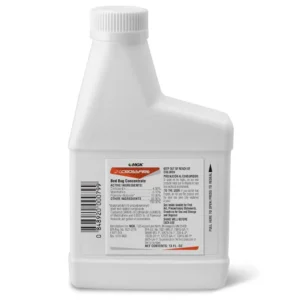
MGK Crossfire® Bed Bug Concentrate
Set Up Some Traps
The last piece of the puzzle is setting up traps to catch any remaining bugs and to monitor whether your treatment actually worked. Bed bug interceptors are one of the best tools for this. These small devices sit under the legs of your couch and create a slippery barrier that bugs fall into as they try to climb up toward you at night. They’re passive, cheap, and give you a clear, visual confirmation of whether bugs are still active.
Glue traps can catch wandering bed bugs, but interceptor traps placed under furniture legs are generally more useful for monitoring ongoing activity.
You might see CO2-based traps marketed as well, designed to mimic human breathing and lure bugs toward them. These can work to some degree, but in my experience they’re less reliable than interceptors and glue traps, especially for a targeted problem like a single infested couch. I’d treat them as a supplemental tool rather than your main line of defense.
Preventing Them from Coming Back
Getting rid of the current infestation is only half the job. Bed bugs are persistent, and if you’re not careful, they’ll find their way back to the same comfortable spot. A little ongoing effort goes a long way toward keeping your couch bug-free for good.
Make vacuuming a regular habit, not a one-time emergency response. Running the vacuum over your couch every week or two, especially along the seams and crevices, catches new arrivals before they have a chance to establish themselves. Pair this with occasional steam cleaning sessions for extra protection.
Take a close look at the wooden frame underneath your upholstery and seal up any visible cracks or gaps you can access. You won’t be able to eliminate every possible hiding spot, but closing off the obvious ones removes some of the couch’s appeal as a hideout.
Good prevention habits are far more effective than relying on natural repellents. Regular vacuuming, periodic inspections, reducing clutter around furniture, and checking luggage or secondhand furniture before bringing it inside your home will do far more to prevent future infestations than sprays marketed as natural deterrents. If you want extra peace of mind, continue using interceptor traps under furniture legs so you can detect new activity early.
It’s also worth being mindful about secondhand furniture. If you’re bringing home a used couch, chair, or other upholstered item, inspect it thoroughly before it ever crosses your threshold. When in doubt, treat it with heat or a steam cleaner before letting it into your living space.
When Should You Use a Couch Encasement?
A couch encasement is worth considering when you’ve already gone through washing, vacuuming, steaming, and spraying, and you’re still dealing with a stubborn population, or if you’re working with an especially ornate or delicate couch where deep cleaning methods feel risky.
Couch encasements are heavy-duty covers designed to trap any bed bugs already inside the furniture so they can’t escape or feed while also preventing new bugs from moving in. They’re best used after cleaning and treatment as part of a complete management plan rather than as a stand-alone solution. If you’re using an encasement, make sure it’s specifically designed for bed bug control and leave it sealed long enough for any trapped bugs to die.
Also Read: How to Get Bed Bugs Out of Electronics Without Damage (Safe Methods)
Once sealed, patience is key. Leave the encasement sealed according to the manufacturer’s instructions. Because bed bugs can survive for many months without feeding under some conditions, removing the encasement too early can allow surviving bugs to escape.
Quick Tip: A year sounds excessive, but it’s not an exaggeration. Bed bugs can survive for many months without a blood meal, which is exactly why a shorter seal time sometimes isn’t enough to guarantee every bug inside has actually died.
Conclusion
Dealing with bed bugs in your couch is frustrating, but it’s absolutely something you can handle with the right approach. Wash everything removable in hot water, vacuum and steam the couch thoroughly, follow up with a targeted spray for any stragglers, and set traps to keep tabs on your progress. From there, staying consistent with cleaning and inspection habits is what keeps them from coming back.
Heat works because bed bugs are extremely vulnerable to sustained high temperatures. The U.S. Environmental Protection Agency notes that bed bugs die when their body temperature reaches about 113°F (45°C), which is why properly applied steam and high-heat laundering remain two of the most effective DIY treatment methods when used alongside thorough cleaning and monitoring.
The sooner you start treating an infestation, the easier it is to keep it confined to a single piece of furniture instead of allowing it to spread throughout your home.
If you’ve worked through all of these steps and you’re still seeing signs of activity a few weeks later, it’s a good sign the infestation has spread beyond the couch, or that it’s simply too established for DIY methods to fully resolve. At that point, bringing in a licensed pest control professional is the smartest move. They have access to treatment options, like whole-room heat treatments, that go beyond what’s realistically achievable at home.