If you’ve ever bagged up your sheets or clothes after spotting a bed bug, you’ve probably wondered, “How long do bed bugs live in a plastic bag?” It’s a fair question, and one we get asked constantly. Many homeowners assume sealing infested items inside a plastic bag will eventually kill the bugs, but that’s not how it works. Here’s the honest answer, along with what actually works if you’re dealing with an infestation right now. Knowing what a plastic bag can and can’t do helps you avoid wasting months waiting for bed bugs that may still be alive.
Also Read: How to Get Bed Bugs Out of Electronics Without Damage (Safe Methods)
Quick Answer
No, plastic bags do not kill bed bugs. Bed bugs can survive inside a sealed plastic bag for several weeks to well over a year, depending on their life stage, when they last fed, and the surrounding temperature. A plastic bag works best as a containment tool to stop them from spreading until you can use a proven treatment such as high heat, freezing temperatures, steam, or professional pest control.
Can Bed Bugs Live in Plastic Bags?
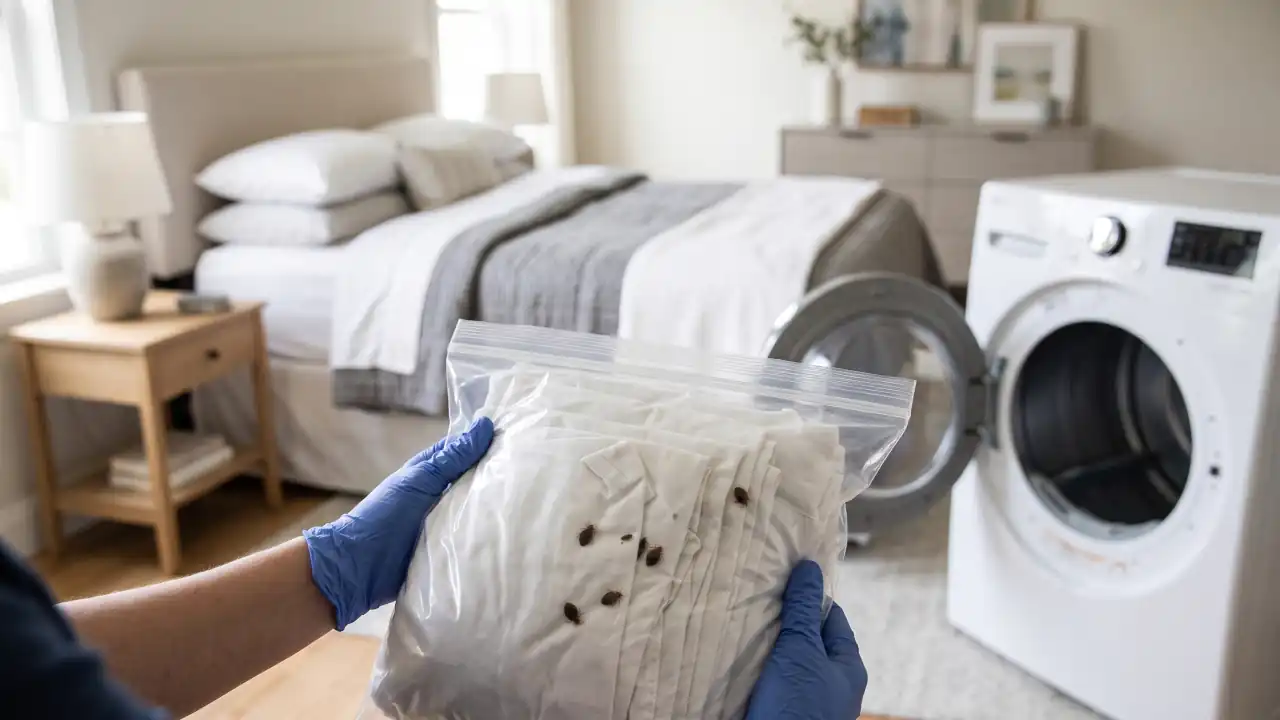
Before talking about how long bed bugs can survive in a plastic bag, it’s important to understand one key point: simply sealing them inside a bag does not kill them. Plastic bags are excellent for containing bed bugs, but they’re not a treatment by themselves.
The idea behind bagging infested items usually comes from good intentions. People figure that if they trap the bugs inside with no way out, the bugs will either suffocate from lack of air or starve to death. It sounds logical enough. It’s an understandable assumption because many insects die quickly once they’re sealed away from fresh air. Bed bugs are unusual because they need very little oxygen and can dramatically slow their metabolism when food isn’t available. The problem is that bed bugs don’t play by the same rules as most other household pests.
These insects are tiny, flat, and built to survive with remarkably few resources. A bed bug doesn’t need much oxygen to get by, and the amount of air trapped inside a knotted grocery bag or a gallon-size zip bag is more than enough to keep it going for a long stretch. On top of that, bed bugs are experts at slowing down their own metabolism when times get tough. When there’s no host around to feed on and conditions turn unfavorable, they essentially downshift into a low-power mode and wait it out.
So while sealing infested items in a bag feels like it should be an instant kill switch, in reality it’s more like putting a bed bug in timeout. It’s not going anywhere, but it’s also not dying anytime soon. That doesn’t mean plastic bags are useless in your fight against bed bugs. It just means you shouldn’t count on them as your main weapon.
In real infestations, we’ve seen homeowners leave sealed laundry bags untouched for months, assuming everything inside was dead. When those bags were eventually opened, live bed bugs were still present because nothing inside had actually exposed them to lethal heat or freezing temperatures. Bagging prevented the infestation from spreading, but it didn’t eliminate it.
How Long Do Bed Bugs Live in a Plastic Bag?
Now that we’ve covered the short answer, let’s look at what determines how long bed bugs can actually survive inside a sealed plastic bag. Some may die within a matter of weeks, while well-fed adults kept in cool conditions can survive for many months—and in some cases, more than a year.
Research backs up just how resilient bed bugs are. According to the University of California Statewide Integrated Pest Management Program (UC IPM), bed bugs may survive 20 to more than 400 days without feeding, depending largely on temperature and humidity. Cooler environments slow their metabolism, allowing adults to live much longer than most homeowners expect. That’s why simply sealing infested items inside a plastic bag rarely kills them on its own—it only contains them while you prepare a proven treatment method.
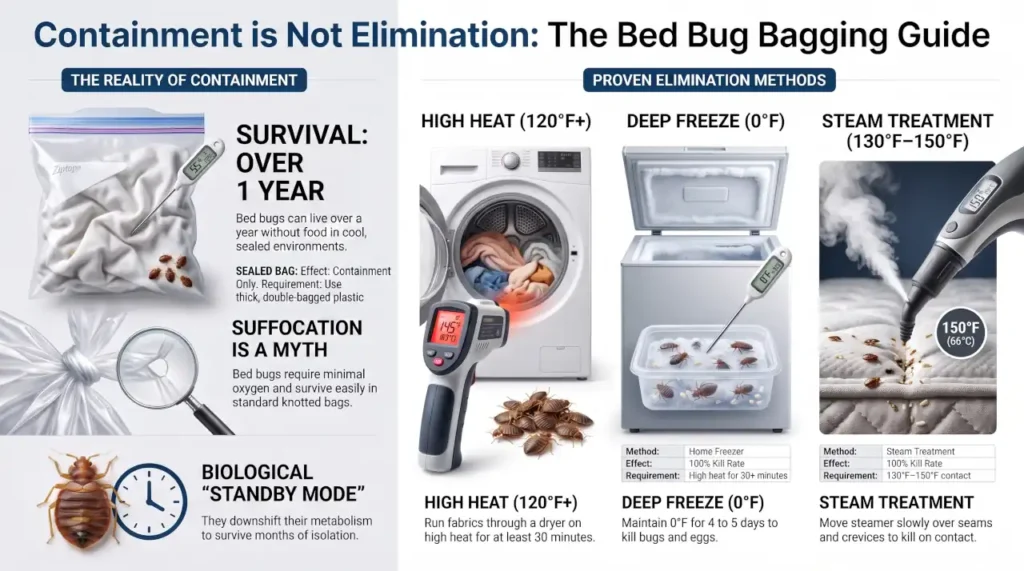
That’s a wide range, and the reason is simple. A bed bug’s survival time comes down to a few key factors: how old it is, whether it recently fed before being bagged, how warm the room is, and how much humidity is in the air. A well-fed adult bed bug tucked into a bag in a cool closet is going to outlast a newly hatched nymph sitting in a bag on a sunny windowsill by a wide margin.
Bed bugs don’t need to eat every day, or even every week, to stay alive. Once they sense that resources are scarce, they enter a kind of standby mode where their body functions slow way down. This lets them conserve energy and stretch out their survival time far longer than most people expect. If you want a deeper breakdown of exactly how bed bugs manage to go so long between meals, our guide on how long bed bugs can live without food covers the science behind it in more detail.
Quick Tip: Don’t judge whether a bag is “working” by how long it’s been sitting there. A week or two of silence doesn’t mean the bugs inside are dead. If you’re using a bag as a holding container while you plan your next move, treat everything inside it as still alive and still a threat until you’ve actually confirmed otherwise.
None of this means plastic bags don’t have a place in your bed bug game plan. One pattern we see repeatedly is homeowners opening a bag to “check on things” every few days. Every time that seal is broken, there’s a chance a live bed bug escapes into another room. Once an item has been bagged, leave it sealed until you’re ready to wash, heat-treat, freeze, or dispose of it properly.
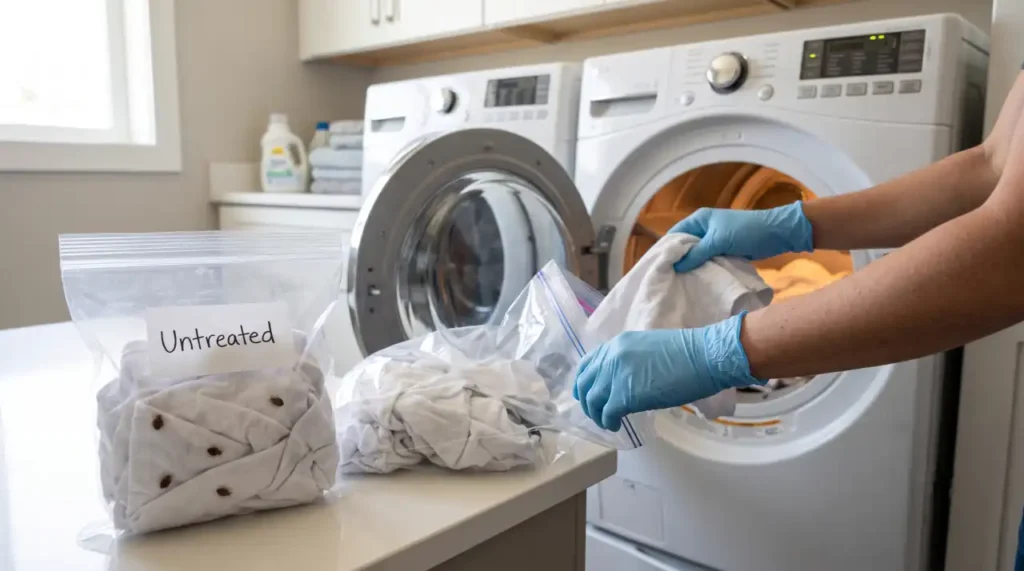
They’re genuinely useful for moving infested clothes, bedding, or stuffed animals out of a bedroom and straight to the washing machine without dropping bugs or eggs along the hallway. Just don’t mistake “contained” for “dead.” Once you’ve transported the items and dumped them into the wash, get that bag out of the house immediately. Tie it off and toss it in an outdoor trash bin rather than leaving it sitting in a closet or garage where it can quietly become a new hiding spot.
Ways To Make This More Effective
A plastic bag by itself is a container, not a treatment. If you want to actually knock down a bed bug problem, you need to pair bagging with methods that raise the odds of killing what’s inside. Here’s how to stack the deck in your favor.
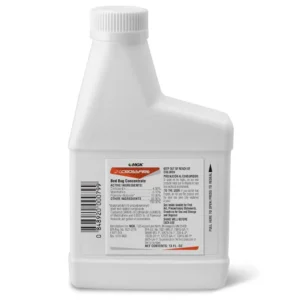
If you’re dealing with an active infestation, combining heat, thorough cleaning, and a professional-grade bed bug product can improve your chances of eliminating hidden bugs that bagging alone won’t reach.
Heat
Heat is one of the most reliable ways to kill bed bugs at every life stage, including eggs. Wash infested clothing, sheets, and other washable fabrics in the hottest water the material can handle, then run them through a dryer on high heat for at least 30 minutes. A high-heat dryer cycle of at least 30 minutes is one of the most reliable household treatments because the heat penetrates folds and seams where bed bugs and their eggs often hide.
Always check the care label before washing or drying delicate fabrics, since some materials can shrink or become damaged under high heat.
Once items are clean, you can store them in sealed plastic totes or heavy-duty bags to keep them protected while you continue treating the rest of your home. Keeping freshly cleaned items sealed until the infestation is gone prevents them from becoming reinfested while the rest of the home is still being treated. Even with a thorough treatment plan, eliminating a well-established bed bug infestation often takes multiple visits or several weeks of follow-up to make sure newly hatched bugs are also eliminated.
Some people also try leaving a sealed bag out in direct summer sun, since a car trunk or a bag on hot pavement can climb into lethal temperature territory. This can work, but only if the sun exposure is strong and consistent for several hours, and results vary a lot depending on your climate. It shouldn’t be your only plan.
One important caveat is that the outside temperature doesn’t tell you what’s happening inside the bag. Some areas may reach lethal temperatures while others remain much cooler, allowing bed bugs hidden inside thick clothing or folded blankets to survive. That’s why a clothes dryer or professionally controlled heat treatment is far more dependable than relying on sunlight alone.
Seal Off Air
Cutting off airflow won’t starve or suffocate bed bugs quickly, but sealing your bags tightly is still worth doing every single time. A properly sealed bag keeps bugs and eggs from wandering out and spreading to new areas of your home, which is arguably more important than any theoretical suffocation effect. Use bags without holes, twist and knot the opening, or better yet, use a zip-top bag and press out the air before sealing it shut.
Keep in mind that eggs are a separate concern from adult bugs. Eggs typically hatch in about 6–10 days under normal indoor conditions, so a bag that seemed “clean” when you sealed it can have live nymphs crawling around it a short time later. Newly hatched nymphs need to feed sooner than adults do, so they tend to die off faster if they’re cut off from a host, but they can still survive for a few weeks in the right conditions.
Freeze Them Out
Cold works, but it takes patience. Sealing infested items in a zip-top bag and placing them in a freezer set to 0°F or lower for a minimum of four to five days can kill bed bugs at all life stages, including eggs. The key is consistency. A freezer that cycles above freezing periodically, like many standard chest freezers do during defrost cycles, won’t get the job done reliably. If you’re serious about the freezer method, use a thermometer to confirm your freezer is holding a steady low temperature the whole time.
Keep in mind that bulky items take longer for their center to reach the freezer’s target temperature. Starting the countdown only after the entire item has thoroughly frozen gives more reliable results.
Avoid opening the freezer repeatedly during the treatment period, as frequent temperature fluctuations can reduce effectiveness. Keeping a consistent temperature is much more important than simply extending the amount of time the items remain frozen.
Do Plastic Bags Kill Bed Bug Eggs?
No. A plastic bag by itself does not kill bed bug eggs. While sealing infested items inside a bag helps prevent eggs from spreading to other parts of your home, it doesn’t create the conditions needed to destroy them.
Under normal indoor conditions, bed bug eggs typically hatch in about 6–10 days. That means a bag that appears “safe” may still contain newly hatched nymphs if the contents haven’t been treated. To eliminate both eggs and live bed bugs, combine bagging with a proven treatment such as a high-heat dryer cycle, steam treatment, or sustained freezing temperatures. Think of the bag as a way to contain the problem—not solve it.
Vacuum Regularly & Often
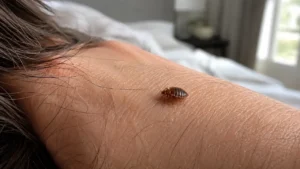
Bed bugs are roughly the size of an apple seed, and a good vacuuming session can physically remove a surprising number of them along with their eggs from mattress seams, baseboards, carpet edges, and furniture crevices. Run the vacuum slowly over these areas rather than rushing through it, since speed lets bugs and eggs slip past the nozzle.
Many homeowners make the mistake of vacuuming only the mattress. That’s because bed bugs often hide in cracks, crevices, and other secluded harborages throughout the room. If you’re not sure where to look, our guide to what bed bug nests look like shows the most common hiding places homeowners overlook.
In practice, bed bugs are just as likely to hide behind headboards, inside bed frames, underneath furniture, and along baseboards near the bed. Wooden bed frames, nightstands, and dressers can also become hiding places during an infestation. If that’s where you’re finding activity, our guide to bed bugs living in wood furniture explains where they hide and how to treat them effectively. Treating only the mattress often leaves enough bugs behind for the infestation to rebound.
Here’s the part people miss: bed bugs can survive inside a vacuum canister or bag just as easily as they can inside a plastic bag sitting on your dresser. As soon as you finish vacuuming, remove the bag or empty the canister directly into a sealed plastic bag, tie it shut, and take it straight outside to the trash. If your vacuum uses a bagless canister, empty it outdoors rather than inside your home to avoid accidentally releasing live bed bugs. Don’t let a full vacuum bag sit in your closet overnight thinking the job is done.
Use A Good Steam Cleaner
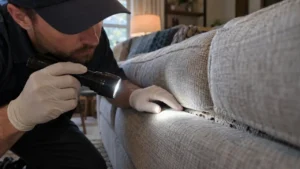
A quality steam cleaner that puts out heat around 130–150°F at the nozzle is one of the most effective tools available for treating mattresses, box springs, couch cushions, carpet, and curtains. If you’ve discovered bed bugs hiding in upholstered furniture, our guide on getting bed bugs out of your couch walks through the safest ways to treat fabric without damaging it.
Steam penetrates into seams and folds that a vacuum or spray can’t fully reach, and the heat kills bugs and eggs on contact. Steam is especially effective around mattress piping, box spring corners, upholstered furniture seams, and bed frame joints where bed bugs naturally congregate. Move the steamer slowly, a few inches at a time, and give extra attention to seams, tufts, and any crevice where bugs like to hide.
Steam works best as a precision treatment rather than something you rush through. Moving too quickly prevents enough heat from penetrating into seams and cracks, while excessive moisture can damage some furniture finishes. Slow, deliberate passes produce much better results.
Be Careful to Avoid Transferring Bed Bugs to Other Locations
One of the fastest ways to turn a small bed bug problem into a full-blown infestation is accidentally carrying bugs from room to room on clothing, laundry baskets, or bags. If you’re wondering how quickly that can happen, our guide on how fast bed bugs spread explains just how rapidly an infestation can grow once they begin moving to new areas of your home.
Before you start treatment, bag up anything that’s been near the infested area, including clothes left on the floor, bedding, and stuffed animals. Carry sealed bags directly to the washer or straight outside rather than setting them down in hallways or other bedrooms along the way. It’s a small habit, but it makes a real difference in keeping the problem contained.
Call For a Professional Pest Exterminator
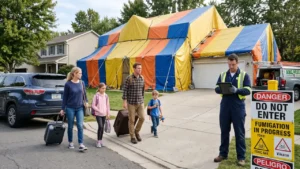
If you’ve tried the DIY route and you’re still seeing bites, bugs, or the tell-tale rust-colored spots on your sheets, it’s time to bring in a professional. Trained exterminators have access to treatments like whole-room heat treatments and targeted insecticide applications that go well beyond what a homeowner can manage with a vacuum and a steam cleaner.
Don’t forget to inspect nearby electronics as well. Bed bugs occasionally hide inside items like alarm clocks, laptops, and televisions, so our guide on getting bed bugs out of electronics explains how to inspect and treat them safely.
You can still help speed up the process by bagging infested items yourself before the technician arrives. It cuts down on their prep time and can lower your overall treatment cost.
If you continue finding fresh bites or live bed bugs two to three weeks after careful DIY treatment, it’s usually a sign that hidden harborages remain. At that stage, professional treatment is often more cost-effective than repeatedly replacing bedding or trying additional over-the-counter products.
Can Bed Bugs Eat Through & Get Out of Plastic Bags?
No, bed bugs cannot chew or bite their way through a plastic bag. They simply aren’t built for it. Bed bugs feed using a thin, needle-like mouthpart designed to pierce skin and draw blood, similar to a mosquito. They have no jaws or teeth capable of gnawing through plastic, cardboard, or fabric.
That said, “can’t chew through it” doesn’t automatically mean “can’t get out of it.” Bed bugs are flat and small enough to squeeze through gaps that look far too tiny to matter. A grocery bag with a small tear, a loosely tied knot, or a zip-top bag that wasn’t fully pressed closed can all give a determined bed bug an escape route. This is especially true for nymphs, which are even thinner and more flexible than adults.
To keep bugs contained, use thick, sturdy bags rather than thin produce bags, double-bag when possible, and reinforce the seal with tape around the opening. It only takes one gap for a bug to slip out and start the problem all over again somewhere else in your home.
Also Read: What Scents Keep Bed Bugs Away? 11 Powerful Options That Work
Final Thoughts
So, how long do bed bugs live in a plastic bag? Long enough that you shouldn’t rely on the bag alone to solve your problem. If you’re still finding new bites or live bed bugs after carefully following these steps, the infestation has likely spread beyond what bagging alone can manage. These insects are built to survive lean conditions, and a sealed bag simply doesn’t create the kind of hostile environment needed to kill them quickly.
Plastic bags are excellent for containing bed bugs, but they’re rarely a complete solution by themselves. The most successful approach combines containment with proven treatments such as high heat, sustained freezing temperatures, thorough vacuuming, steam treatment, and, when necessary, professional pest control. Focusing on containment first and elimination second gives you the best chance of getting rid of the infestation without accidentally spreading it to other parts of your home.