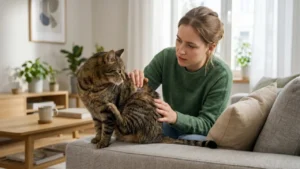

If your cat has been scratching more than usual, you are not imagining it, and you are not alone. Flea bites on cats can turn a calm house into a miserable one fast. The tricky part is that fleas are tiny, fast, and very good at hiding. The good news is that once you know what to look for, you can spot the problem early, calm your cat down, and stop the cycle before it gets worse.
In homes where flea infestations have gone unnoticed for weeks, I’ve often seen owners focus on the scratching while completely missing the flea dirt hidden around the neck, lower back, or tail area. In many cases, finding those tiny black specks is what confirms the problem long before a live flea is spotted.
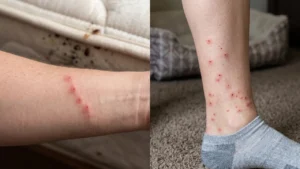
Also Read: Bed Bug Bites vs Flea Bites: Most People Misidentify Them, Do You?
Quick Answer
Flea bites on cats commonly cause scratching, overgrooming, flea dirt, small red bumps, scabs, and hair loss. Cats with flea allergy dermatitis may develop severe itching from only a few bites. Effective treatment requires addressing both the cat and the flea population in the home.
How to Identify Flea Bites on Cats
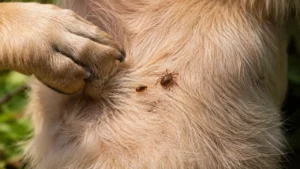
The first thing to know is this: flea bites on cats are not always easy to see as neat little “bites” the way people imagine them. In many cats, you see the reaction before you clearly see the flea. Flea infestations are often noticed by persistent scratching, chewing, licking, or tiny dark specks in the coat called flea dirt.
A fine-tooth flea comb is one of the best tools for checking the neck and the base of the tail, which are common flea hotspots. If you find dark specks, place them on a wet white paper towel. If they dissolve into a reddish mark, that is a classic sign of flea dirt.
What do flea bites look like on cats?
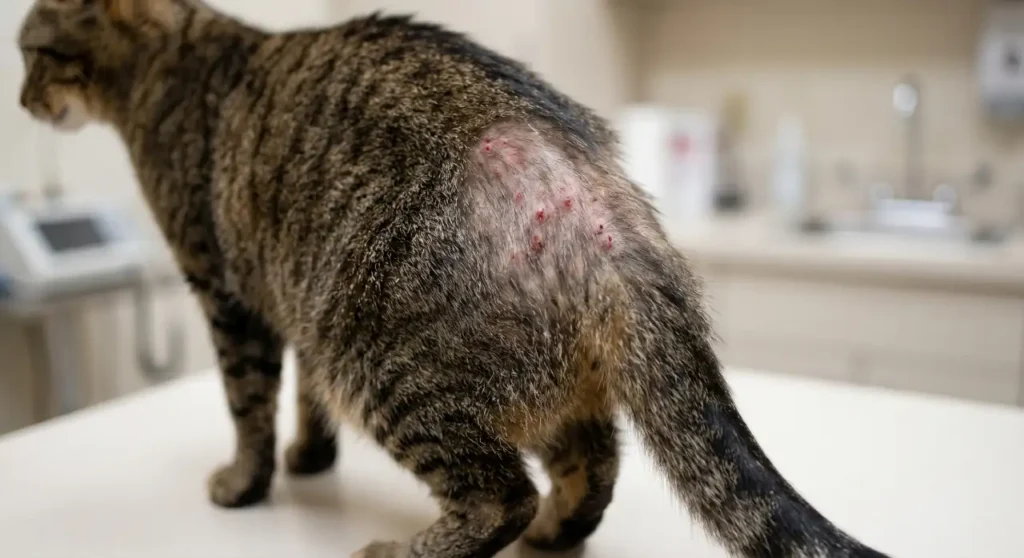
In most cases, flea bites appear as small red bumps, scabs, irritated patches of skin, or areas of thinning fur caused by scratching and overgrooming. Cats with flea allergy dermatitis may develop much more severe skin reactions from only a few bites.
Flea eggs may also be present in the coat or bedding, although they are much harder to spot than flea dirt. They are tiny, white, and oval-shaped, often resembling grains of salt. Unlike flea dirt, flea eggs do not leave a reddish stain when placed on a wet paper towel.
On the skin itself, flea bites may look like small red bumps, scabby spots, irritated patches, or areas where the fur is thinning from constant grooming. Individual flea bites are often very small, sometimes no larger than a pinhead. In some cats, bites may appear in small clusters or close groupings, although the skin reaction is often easier to notice than the actual bite marks themselves.
In a cat with flea allergy dermatitis, the skin reaction can look much worse than the number of fleas would suggest. A cat with only a few bites may still have intense itching, redness, and crusty bumps because the real problem is the cat’s allergic response to flea saliva, not just the bite itself.
According to Cornell Feline Health Center, cats with flea allergy dermatitis can develop severe itching and skin damage from only a small number of flea bites because the allergic reaction is triggered by proteins in flea saliva rather than the number of fleas present.
The easiest places to check are the back of the neck, the tail head, the lower back, behind the ears, the face, the belly, and the inner thighs. These areas are often referred to as flea hotspots because they provide warmth, protection, and easier access to the skin.
In many infestations, the tail base, lower back, and neck are the first places where flea dirt, irritation, or excessive grooming become noticeable. Cats often cannot reach some of those areas very well, which is exactly why fleas like them. If your cat is scratching there or overgrooming those spots, flea bites should be high on your list of suspects.
Why Fleas Bite Cats
Like mosquitoes and other blood-feeding parasites, fleas survive by feeding on animal blood, and cats provide an ideal host. Adult fleas feed on blood, and that blood meal is what keeps them alive and lets them reproduce. Fleas are not hanging around your cat for fun. They are there to feed, and once they start, the infestation can build quickly because adult fleas spend most of their lives on the animal while eggs and immature stages fall into the environment.
What makes cats such easy targets is warmth, movement, and access to skin. Fleas are attracted to pets from the outdoors, and they thrive in warm, humid conditions. Many homeowners are surprised to learn that understanding what attracts fleas can be just as important as treating the infestation itself, especially when the same problem keeps coming back. Once they find a host, they can keep feeding and laying eggs, which means the problem is usually bigger than what you see on the cat’s coat. That is why treating only the cat often fails.
From a pest-management perspective, this is one of the most common reasons homeowners struggle with recurring flea problems. Eliminating fleas on the cat without addressing eggs, larvae, and pupae in the home rarely solves the infestation for long. The home, bedding, furniture, and sometimes the yard must be addressed too.
There is also a sensitivity issue. Some cats react only mildly to flea bites, while others react dramatically to just a few bites because their immune system overreacts to flea saliva. That is flea allergy dermatitis, and it is one of the main reasons flea problems can look so severe so fast.
Signs Your Cat Has Flea Bites
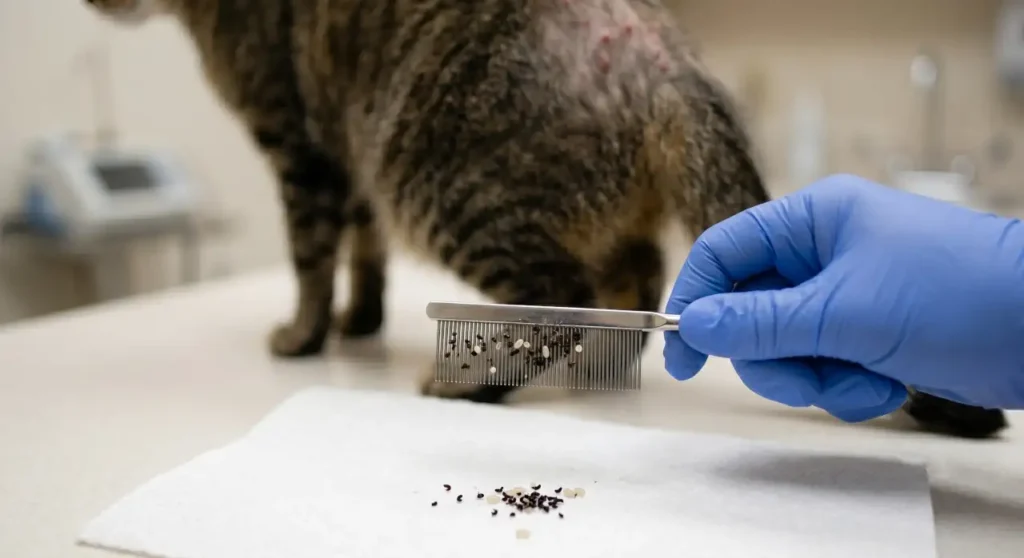
Cats are experts at hiding discomfort, so flea bites are often easier to notice through behavior than by seeing the fleas themselves. A cat that suddenly scratches, chews, licks, or bites at the skin more than usual may be reacting to fleas. You may also notice overgrooming, restlessness, or a cat that keeps shifting position because the skin feels irritated. Fleas can also leave behind flea dirt, tiny white eggs, and a coat that looks rough or thin in places.
Physical Signs
Physical signs can include small bumps, scabs, redness, hair loss, irritated skin, and a coat that looks patchy or unkempt. In severe cases, the skin becomes raw from scratching and licking. Some cats develop miliary dermatitis, which means lots of tiny crusty bumps.
Others develop eosinophilic skin disease or a very inflamed, itchy head and neck area. The reaction can look more dramatic than the number of fleas you find. In many flea cases, owners are surprised by how few fleas they actually see. Cats groom constantly, so the skin damage and flea dirt often tell the story long before a live flea is found.
Behavioral Signs
Behavioral changes matter too. A cat who is normally calm may become irritable, jumpy, or hard to settle. Some cats stop lounging comfortably because the itching never lets up. Kittens may seem weak, tired, or unusually quiet if the flea load is heavy enough to drain blood. That is a big red flag, and it should not be brushed off as “just itching.”
Health Problems from Flea Bites
Flea bites can look minor at first, but they can create real health problems. The immediate issue is itch and irritation. Cats scratch, chew, and lick because the skin is inflamed and uncomfortable. That can lead to broken skin, secondary infection, and a miserable cat that just cannot leave the area alone.
Flea allergy dermatitis is the big one. This is not just a little sensitivity. It is a true allergic reaction to proteins in flea saliva. For an allergic cat, even a few bites can trigger severe itching, hair loss, scabs, and widespread skin damage. Cornell notes that what might take dozens of bites to bother a non-allergic cat can cause serious skin damage in an allergic one after only a few bites.
The serious complication people miss most often is anemia. Fleas feed on blood, and a heavy infestation can rob a small cat or kitten of enough blood to become weak, pale, and dangerously ill. Heavy flea infestations can cause anemia, and kittens are especially vulnerable. That is why a flea problem in a young cat should never be treated casually.
In real-world cases, kittens often decline faster than owners expect because their small size leaves very little margin for blood loss. A kitten that suddenly seems weak, pale, or unusually tired should be evaluated by a veterinarian immediately.
Fleas can also contribute to tapeworm exposure if the cat swallows an infected flea while grooming. So the damage is not only skin deep. A flea problem is really a full-body problem, and in some homes it becomes a household problem too because fleas can spread from pet to pet and into carpets, bedding, and soft furniture.
How Vets Diagnose Flea Bites on Cats
At the vet, the first step is usually a hands-on exam. Veterinarians look for evidence of fleas, flea dirt, skin irritation, and characteristic patterns of hair loss or overgrooming. Flea dirt can often be collected with a comb and checked on a wet towel to help confirm its presence. A red-brown smear is a strong indicator that the specks are flea droppings rather than ordinary dirt or debris.
What to expect at the vet is usually straightforward. The vet will ask about itching, grooming, outdoor exposure, whether other pets are affected, and whether any flea prevention is being used correctly. They may also look closely at the skin to see whether the pattern fits fleas or something else. Flea allergy dermatitis is often diagnosed from history, clinical signs, and response to parasite control, not just from seeing a live flea.
That last point matters because other problems can look very similar. Cats with food allergies, environmental allergies, mites, skin infections, ringworm, or stress-related overgrooming can all look itchy or patchy in the coat. That is one reason self-diagnosing can go wrong. If you treat for fleas and the problem keeps going, the cat may need a broader skin workup. Because multiple skin conditions can produce similar symptoms, persistent itching should never be assumed to be a flea issue without proper veterinary evaluation.
Treatment Options
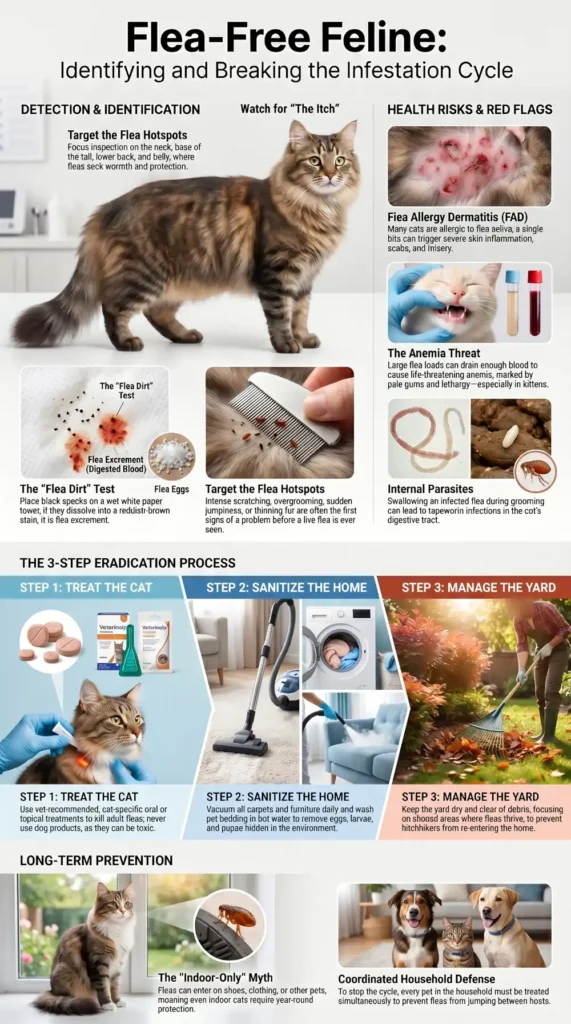
The best treatment is not just “kill the fleas.” It is breaking the whole cycle. Many homeowners are surprised to learn that the adult fleas visible on a cat typically represent only a small portion of the total infestation.
Eggs, larvae, and pupae hidden in the environment often account for the majority of the flea population. Complete flea control requires treating the pet, addressing the environment, and preventing re-infestation. If fleas have spread throughout the house, learning how to get rid of fleas in carpets, furniture, and pet resting areas becomes just as important as treating the cat itself. Severe infestations can take months to fully bring under control, so patience matters.
Quick Relief
For quick relief, many vets will recommend a cat-safe flea control product that starts working fast, along with supportive skin care. A flea comb can help remove adult fleas and flea dirt right away. A gentle bath may help some cats, but not all cats tolerate bathing, and a bath alone will not solve a flea infestation.
What matters most is using a product that is made for cats, is appropriate for your cat’s age and weight, and is recommended by your vet. Never use dog flea products on cats. Some products designed for dogs contain ingredients that can be toxic or dangerous for cats.
Prescription Treatments
Prescription treatments are often the fastest and most reliable route, especially if your cat has a lot of fleas or a history of flea allergy dermatitis. Vets may use topical, oral, or other preventive options based on the cat’s age, health, lifestyle, and how severe the infestation is. The exact product choice is something your vet should guide, because not every product is right for every cat. The point is not to guess. The point is to stop the flea life cycle safely and completely.
If the cat has a severe reaction, treatment may need to go beyond flea control alone. A cat with raw skin, intense inflammation, or a strong allergic flare may need medication to calm the skin, treat secondary infection if present, and reduce the constant itch-scratch cycle. Flea allergy dermatitis can become a self-perpetuating problem because scratching damages the skin, damaged skin itches more, and the cat scratches even more.
Home Treatment
Home treatment is just as important as treating the cat. Vacuum carpets, rugs, cracks, furniture, and pet resting areas thoroughly and often. Wash bedding in hot water and keep up the cleaning because eggs, larvae, and pupae can stay in the environment.
Severe infestations may sometimes require additional environmental treatments, including sprays or foggers used according to label directions and veterinary guidance. This is often the point where homeowners start wondering whether bug spray works on fleas, especially when vacuuming and pet treatments alone do not seem to be enough. This is why following label directions and veterinary guidance is important. If fleas keep coming back, the environment is usually the reason.
One pattern seen repeatedly in homes is that owners stop vacuuming and cleaning once they stop seeing adult fleas. Unfortunately, eggs and pupae can still be present, which is why infestations often appear to return weeks later even though the original treatment seemed successful.
Yard Treatment
Yard treatment may also be needed if your cat goes outside or if wildlife is visiting your property. Fleas love shaded, moist places, including under porches, around debris, and in thick grass. A clean, dry, less cluttered yard is simply less friendly to fleas. That said, the yard is usually only part of the picture. The pet and the home still have to be handled together.
Preventing Flea Bites on Cats
Prevention is where you save the most stress. Year-round protection is the smart move because fleas can survive indoors even when the weather turns cold. Warm homes keep flea problems alive, which is why seasonal treatment usually is not enough. Indoor conditions often allow fleas to survive throughout the year, even when outdoor temperatures drop.
There are a few types of flea prevention, and the right one depends on the cat. Topical preventives are applied to the skin and spread through the coat. Oral preventives work systemically after the cat takes them. Some households also use flea collars designed for cats. The common thread is that the product must be cat-specific and used exactly as directed. The wrong product can do real harm.
Making the home flea-proof starts with consistent cleaning. Vacuum frequently, especially where your cat sleeps. Wash bedding weekly. Keep clutter down so fleas have fewer hiding places. If your home is humid, dry it out where possible because fleas do better in moist conditions. In particularly damp homes, reducing indoor humidity with better ventilation or dehumidifiers can make conditions less favorable for flea development. If you already had a flea problem, treat the house long enough to break the full cycle, not just long enough to make it look better for a few days.
One thing many cat owners miss is that every pet in the house needs protection at the same time. If you treat only one pet, the fleas will keep moving between animals and the problem will never settle down. A coordinated household plan is one of the simplest ways to stop reinfestation.
Special Situations
Some flea situations require extra attention because certain cats are more vulnerable or face unique risks. Kittens, indoor cats, and households with multiple pets often need a slightly different approach.
Kittens and Flea Bites
Kittens need extra caution. They can become anemic much faster than adult cats, and many flea products are not safe for very young kittens. If you have a kitten with fleas, that is a vet call, not a wait-and-see situation. The smaller the kitten, the more quickly a flea burden can become serious.
Multiple Pet Households
Multiple pet households are another common problem spot. Dogs, cats, and even visiting animals can all move fleas around the home. Treating one animal while ignoring another usually leads to endless reinfestation. Also, never assume a dog product is “close enough” for a cat. It is not. Never use a dog flea treatment on a cat unless a veterinarian specifically instructs you to do so.
Indoor Cats and Fleas
Indoor cats still need protection. This surprises a lot of people, but fleas can hitchhike indoors on clothing, shoes, other pets, or through open doors. Indoor-only does not mean flea-free. Some of the most surprising flea infestations occur in homes where cats never go outside.
Fleas are extremely effective hitchhikers and can enter through people, other pets, visiting animals, or wildlife activity around the property. If the home has a flea issue, the cat can get bitten even without stepping outside. Outdoor cats have more exposure, but indoor cats are not automatically safe.
When to Get Emergency Help
Most flea problems are not true emergencies, but some are. If your cat has trouble breathing, collapses, or develops major swelling, get urgent veterinary help right away. Those signs are not normal flea irritation. They suggest a serious reaction that needs immediate attention.
You should also get urgent help if the cat looks pale, weak, unusually sleepy, or breathes fast. Those can be signs of anemia, especially in kittens or heavily infested cats. Pale gums or lips are particularly concerning. A cat losing blood to fleas can decline faster than many owners expect.
Another emergency-level issue is infection from scratching. If the skin is oozing, swollen, hot, or worsening instead of improving, the cat may need more than flea control. Open skin can get infected fast, especially if the cat keeps licking and scratching the same spot.
Signs Your Cat Needs Immediate Veterinary Care
The biggest warning sign is when the itching is intense and nonstop. If your cat cannot settle, keeps attacking the same spot, or is losing fur rapidly, something bigger than a few bites may be going on. Severe flea allergy dermatitis can escalate quickly and leave the cat raw and miserable.
Another red flag is when treatment is not working. If you are using flea control correctly and the cat still looks worse, one of three things is usually happening. The infestation is larger than it seemed, part of the flea life cycle is still being missed in the home, or the cat’s skin problem is not actually caused by fleas alone. That is when a vet visit pays off.
Also Read:
Also watch for repeated reinfestation. If fleas seem to disappear and then keep returning, the issue may be the environment, another untreated pet, or a place outside the home where fleas keep getting picked up. That is common, frustrating, and fixable, but only if the whole source is handled.
Conclusion
Flea bites on cats are more than a nuisance. They can trigger endless itching, skin damage, allergic reactions, and, in some cats, anemia. The most effective way to solve a flea problem is to focus on the entire flea life cycle rather than just the itching you can see.
Check the coat, especially the neck and tail area. Watch for flea dirt. Treat the cat, the home, and sometimes the yard together. And if your cat is weak, pale, or severely itchy, bring in a vet quickly. Fleas can be frustrating, but they are usually very manageable when the cat, home, and source of reinfestation are addressed together.
Most flea infestations become manageable once homeowners treat the cat, the indoor environment, and any ongoing sources of reinfestation at the same time.
In my experience, the homeowners who eliminate fleas the fastest are the ones who stay consistent. Treating the cat without treating the environment almost always leads to frustration, while a coordinated approach usually breaks the cycle much sooner.