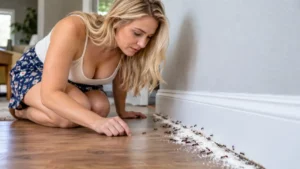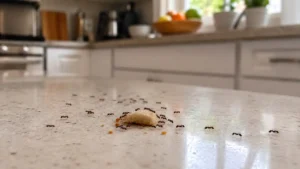
You walk into your kitchen, flip on the light, and there they are. A cloud of winged ants bumping into your windows, crawling across the counter, dropping out of nowhere. It’s unsettling, and it usually happens fast. If you’re wondering how to get rid of flying ants, the good news is they’re almost never as bad as they look. Once you understand why they’re there and what kind of ants you’re dealing with, getting rid of them is usually pretty straightforward.
In most cases, the flying ants you see indoors are part of a short-lived swarming event rather than a permanent invasion, but their appearance can also be an early warning that a colony is nesting nearby or inside the structure.
Also Read: How To Get Rid of Ants in Electrical Outlet Quickly
Quick Answer
To get rid of flying ants, first remove the swarm by vacuuming or using soapy water, then target the colony with ant bait if necessary. Finish by sealing entry points, eliminating excess moisture, and removing food sources to help prevent future swarms. Before treating the problem, make sure you’re dealing with flying ants and not termite swarmers, since the two require different approaches.
Before choosing a treatment, it’s important to understand why flying ants suddenly appear in the first place, because the right solution depends on what’s causing the swarm.
What Flying Ants Actually Are (And Why You’re Seeing Them)
Flying ants aren’t a separate species. Not every ant colony produces winged ants every year. Swarms happen only when a colony has matured enough to produce reproductive males and females, which is why many homeowners never see them until the colony has been established for some time.
They’re regular ants, usually carpenter ants, pavement ants, or odorous house ants, that have reached the point in their life cycle where the colony sends out reproductive males and females to start new colonies somewhere else. Pest control folks call this a “swarm,” and it’s basically ants’ version of moving day.
It tends to happen on warm, humid afternoons, often right after rain, which is why you might see nothing for months and then suddenly deal with dozens of them in a single evening. Outdoor swarms are common and often harmless, but large numbers of flying ants appearing indoors often indicate the colony is nesting inside the structure or immediately next to it.
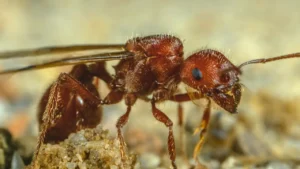
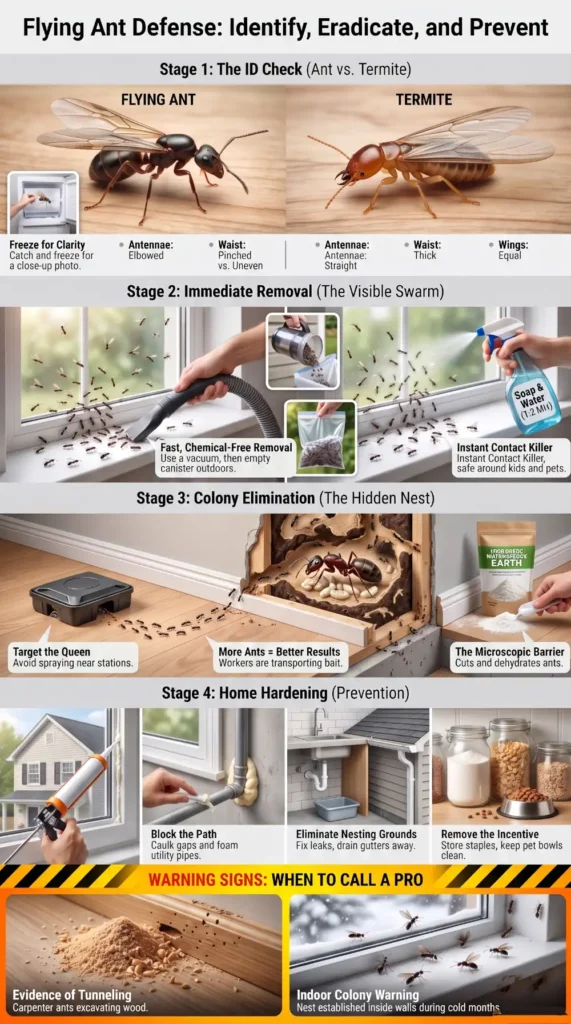
Here’s the part most homeowners skip, and it’s the one thing I’d ask you to slow down and check before doing anything else. Flying ants get mistaken for termite swarmers constantly, and the two are not the same problem at all. An ant has a bent, elbow-shaped antenna, a noticeably pinched waist, and front wings that are longer than its back wings.
A termite has straight antennae, a thick body with no waist definition, and four wings that are all the same length. This combination of antenna shape, waist, and wing size is also the identification method recommended by the University of Maryland Extension, which advises looking at all three characteristics together instead of relying on color or body size alone.
If you’re not sure, catch one in a cup, put it in the freezer for a few minutes to slow it down, and look at it under a bright light or your phone camera zoomed in. It sounds tedious, but this five-minute check can save you from either overreacting to a minor nuisance or underreacting to a termite problem that’s quietly costing you money in the walls.
Once you’ve confirmed you’re dealing with ants and not termites, here’s exactly how to handle it, starting with what to do right now and working toward what stops it from happening again.
How To Get Rid of Flying Ants
If you’re wondering how to get rid of flying ants, the most effective approach is to tackle the problem in stages. Start by removing the swarm you can see, then focus on eliminating or reducing the colony if needed, and finally make your home less inviting by sealing entry points and removing the conditions that attracted them in the first place. Working through the steps below in that order gives you the best chance of stopping both the current swarm and future ones.
1. Vacuum Up Flying Ants Right Away
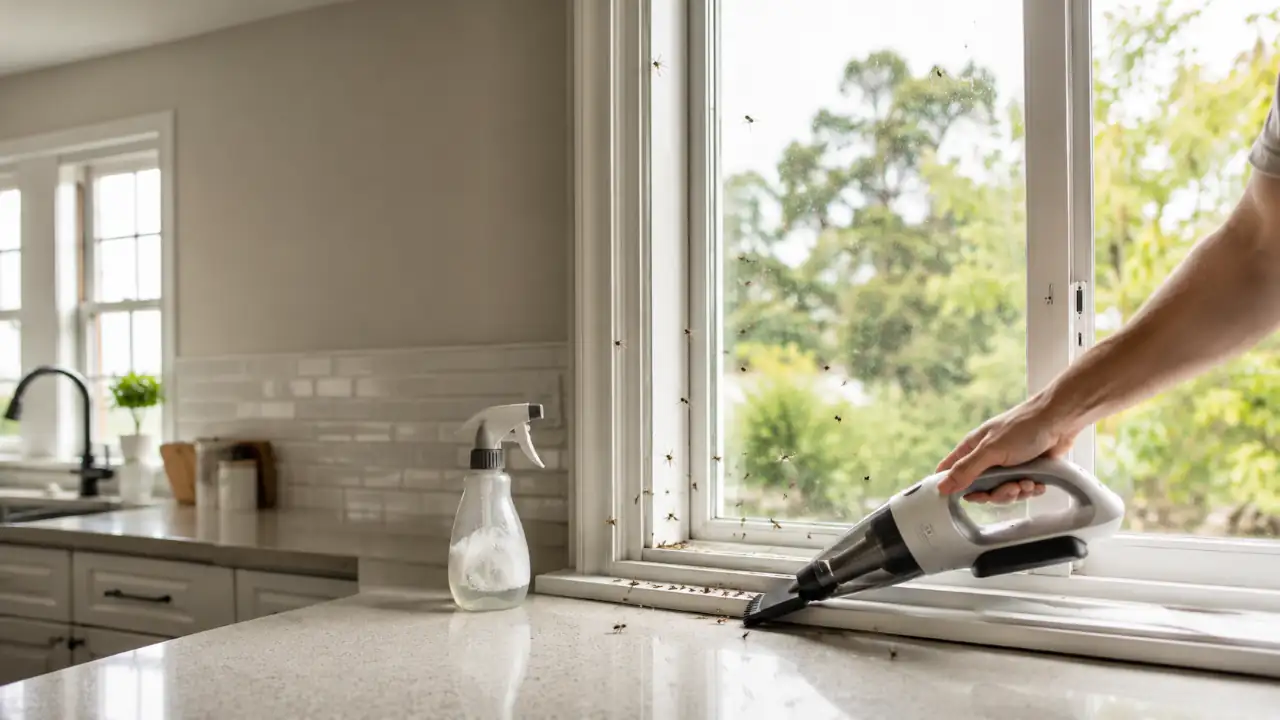
This is the fastest thing you can do the moment you see a swarm, and it works because it’s immediate and doesn’t involve chemicals near your food or kids. Grab whatever vacuum you have, a handheld unit is ideal, but the hose attachment on your regular vacuum works fine too, and go after the ants directly. Don’t chase individual ants one at a time. Move steadily across windowsills, light fixtures, and baseboards where they tend to cluster, since flying ants are drawn to light sources and will bunch up near windows and lamps.
The part people forget is what happens after you’re done vacuuming. Some ants can survive inside a vacuum bag or canister for a surprising amount of time, so don’t just set it in the garage and forget about it. Empty the canister into a sealed bag outside, or pull the bag out entirely and toss it in an outdoor bin away from your house. If you skip this step, you can end up releasing the same ants back into your home a day later, which defeats the whole point.
Vacuuming gives you instant relief from what you can see, but it doesn’t touch the colony that’s sending these ants out in the first place. Think of it as damage control, not a fix.
2. Spray Them with Soapy Water for Quick Kills
If you want something you can mix in thirty seconds using stuff already under your sink, soapy water is it. Combine one part dish soap with two parts water in a spray bottle and shake it up. Dish soap disrupts the protective outer coating on an ant’s exoskeleton, causing it to lose moisture and die from dehydration after direct contact. It’s genuinely one of the safest options for households with small kids or pets crawling around, since there’s nothing toxic in the mix.
Spray it directly on any ants you see, and don’t be shy about hitting windowsills, door frames, and countertop edges too, since a light residue there can knock out stragglers you didn’t spot. A few drops of peppermint oil mixed in gives it a bit of extra bite, since ants genuinely dislike the smell.
Just know this won’t stop new ants from wandering in tomorrow. It’s a contact killer for what’s already in front of you, not a barrier. Pair it with the sealing and cleaning steps further down if you want the problem to actually go away.
3. Use Diatomaceous Earth as a Natural Barrier
Diatomaceous earth sounds complicated but it’s just a fine powder made from crushed, fossilized algae shells. Under a microscope, the particles have sharp, jagged edges. To us it feels like talcum powder, but to an ant crawling through it, it’s abrasive enough to cut through the waxy coating on its exoskeleton, which leads to fatal dehydration over the following day or so.
Buy food-grade diatomaceous earth specifically. The pool-filter version is treated differently and isn’t safe to have loose in your living space. Dust a thin, even layer along baseboards, window tracks, under appliances, and anywhere you’ve noticed ant traffic. It only works while it’s dry, so if it gets wet from cleaning or humidity, you’ll need to reapply.
Quick tip: Wear a dust mask or respirator while applying dry diatomaceous earth and avoid creating airborne dust. Although food-grade diatomaceous earth is considered much safer than pool-grade products, repeatedly inhaling any fine dust can irritate your lungs. This method is slower than a spray, usually taking a full day to show real results, but it keeps working in the background for weeks without you having to do anything else, which makes it a solid layer to combine with faster methods.
4. Set Up Ant Bait Stations for Colony Control
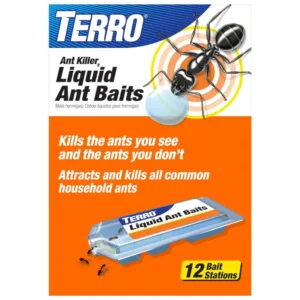
Everything above deals with the ants you can see. Bait stations are how you deal with the ones you can’t, including the queen, which is really the only way to shrink a colony rather than just thinning it out temporarily.
Worker ants carry the bait back to the colony where it’s shared with other workers, larvae, and eventually the reproductive members of the colony. Because the bait works slowly, it has time to spread before affected ants die, making it much more effective than killing foraging ants individually.
Place the stations along the paths you’ve seen ants using, close to entry points, but away from countertops or anywhere pets and kids spend time. If you’re using a commercial ant bait, it’s also worth understanding how to keep bait stations safe around pets, especially if you have curious dogs or cats. Here’s where many homeowners go wrong: resist the urge to spray insecticide or cleaning products near the bait stations. Strong smells will make ants avoid the area entirely, and the whole strategy depends on them walking straight to the bait and carrying it home.
You’ll probably notice more ant activity for the first day or two after setting bait out, which feels like it’s making things worse. It isn’t. It’s common for homeowners to think the bait has made the problem worse, but that temporary increase usually means more workers have found the bait and are carrying it back to the colony. That’s the bait doing exactly what it’s supposed to do. Most households see a real drop in activity within two to three days, with the colony fully affected inside a week or so.
If you prefer homemade bait instead of commercial stations, a borax ant bait can also be an effective colony-control option when prepared and placed correctly.
5. Make Essential Oil Sprays That Repel Ants
Ants rely heavily on scent trails to navigate, and strong-smelling essential oils can disrupt those trails and make treated areas less attractive. Peppermint, tea tree, eucalyptus, clove, and citrus oils all work well for this. Mix roughly fifteen drops into two cups of water in a spray bottle, shake before each use since oil and water separate, and mist it around window frames, door thresholds, and baseboards.
This won’t kill an established colony and it’s not meant to. What it does well is make treated areas much less attractive by disrupting the scent trails ants rely on to navigate. Which is genuinely useful once you’ve dealt with the current swarm and want to stop the next wave before it starts. Reapply every few days since the scent fades, especially outdoors or in humid rooms.
It’s generally a lower-risk option than conventional insecticides, but remember that some essential oils can still irritate sensitive skin or be harmful to certain pets, especially cats, if used in concentrated amounts. Follow the product label and avoid spraying directly on pets or their bedding.
6. Seal Up Entry Points and Cracks
This is the step that actually stops the cycle, and it’s the one people skip because it takes more effort than spraying something. Ants exploit gaps you’d never notice on a casual walk-through. Grab a flashlight and go slowly around your home’s exterior, checking where pipes and wires enter the wall, around window and door frames, and especially where your foundation meets the siding.
Match the repair material to the size of the gap. Silicone caulk handles small cracks around window frames cleanly. Expanding foam is better for larger gaps around utility lines. Door sweeps and fresh weatherstripping close off the gap most people never think to check, the bottom edge of exterior doors.
Foundation cracks deserve a closer look, particularly after a hard freeze-thaw cycle or a season of heavy rain, since both tend to widen existing gaps. This is slower work than spraying a can of insecticide, but it’s the difference between fighting the same battle every few weeks and actually being done with it.
7. Remove Moisture Sources That Attract Ants
Carpenter ants don’t actually eat wood like termites. Instead, they excavate damp or decaying wood to build nesting galleries, which is why moisture problems often become the underlying issue in recurring infestations. If you’re dealing with recurring swarms rather than a one-off, moisture is worth investigating before anything else.
Walk your home checking under sinks, around the base of the water heater, and near any toilet that’s ever run a little loose. Even a slow, barely-there drip creates exactly the environment these ants are looking for. In bathrooms, basements, and laundry rooms, run exhaust fans or crack a window when you can, and a dehumidifier is a worthwhile investment if any of those rooms sit above 50% humidity regularly.
Outside, make sure your gutters are actually draining away from your foundation instead of pooling against it, and clear anything sitting directly against the base of your house. Moisture control doesn’t just discourage ants. It protects the wood itself, which matters more than people realize until they’re dealing with actual structural rot.
8. Clean Up Food Sources and Keep Things Tidy
Scout ants only need to find one unattended crumb to lead an entire trail back to it, so this step is less about deep cleaning and more about removing temptation consistently. Store pantry staples like cereal, sugar, and flour in airtight containers rather than the bags they came in. Wipe counters after cooking, and don’t let dishes sit in the sink overnight.
Take trash out regularly and rinse containers before they go in recycling, since sticky soda cans and juice bottles are basically an ant magnet sitting in your garage. Pet food bowls are an easy blind spot too. If you free-feed your pet throughout the day, ants will find that bowl. Pulling it up between meals, or setting the bowl in a shallow dish of water, closes that gap without much effort.
None of this eliminates an existing colony, but it removes the incentive for new ants to stick around once you’ve dealt with the ones already inside.
9. Apply Store Bought Insecticide Treatments
For a swarm bigger than a few dozen ants, or one that keeps coming back despite your best efforts, an over-the-counter insecticide labeled for flying ants gives you more firepower than soap and water. Read the label fully before you spray anything, since application instructions vary quite a bit between products, and apply along trails, entry points, and any spot you’ve watched ants gather.
If you suspect there’s a nest inside a wall void, a dust formulation works better than a liquid spray because it spreads through the cavity rather than sitting on the surface. Getting dust into a wall usually means drilling a small access hole, which is realistically a job for a professional unless you’re comfortable with that kind of work.
Keep kids and pets clear of any treated area until it’s fully dry, and store leftover product somewhere it won’t get knocked over or mixed up with anything else.
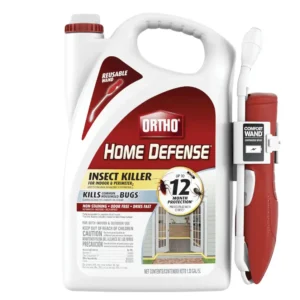
Recommended Insecticide: If you’re looking for a ready-to-use insecticide that works both indoors and around your home’s exterior, Ortho Home Defense Insect Killer is a solid option. It creates a long-lasting barrier against ants and many other common household pests while being easy to apply with its battery-powered Comfort Wand.
10. Call Professional Pest Control When Needed
Professional treatment becomes the practical option once repeated swarms or signs of structural activity suggest the colony is established rather than simply passing through. If you’ve worked through DIY methods consistently for two to three weeks and you’re still seeing swarms, that’s your signal. It’s also worth calling immediately, not waiting it out, if you spot small piles of what looks like fine sawdust near wooden trim, or you hear faint rustling inside a wall, since both point toward carpenter ants actively tunneling rather than just passing through.
A licensed pest management professional can identify the species involved, locate hidden nesting sites, and determine whether you’re dealing with a temporary seasonal swarm or an established indoor colony requiring targeted treatment. They can also determine whether you’re dealing with carpenter ants or another ant species, which affects the treatment strategy. Most reputable companies also build in a follow-up visit to confirm the treatment actually worked, rather than leaving you to find out the hard way a month later.
Yes, it costs more upfront than a bottle of spray. But weighed against the cost of repairing wood damage from a colony that’s been established for months, it’s usually the cheaper option in the long run.
Prevention Tips to Keep Flying Ants Away
Once you’ve dealt with the immediate swarm, the goal shifts to making your home unattractive to the next one. Keep shrubs, tree branches, and any plants touching your house trimmed back at least a few feet from the foundation. If you’ve noticed carpenter ants around mature trees on your property, inspect them closely, since carpenter ants nesting in trees can sometimes indicate a nearby colony. Overgrown vegetation acts like a bridge straight from the yard to your roofline and siding.
If you’re also seeing ant hills outside, dealing with ants in your lawn can help reduce the number of foraging ants reaching your home.
Build a habit of walking your home’s exterior once a season, checking the same things mentioned earlier: foundation cracks, gaps around utility lines, loose weatherstripping. Pay particular attention after heavy spring rains or prolonged humid weather, since those conditions commonly trigger swarming flights for many ant species. Small issues caught early take minutes to fix. Left alone for a year, they become the reason you’re dealing with another swarm.
Late spring through early fall is peak swarming season for most ant species in the US, so that’s when to be extra deliberate about food storage and cleanup. Depending on where you live and the species involved, swarming season can start earlier or last longer than expected. Warm, humid weather, especially after rainfall, is one of the most common triggers for flying ant swarms, so it’s worth paying extra attention to potential entry points during those conditions.
If your home has a history of ant activity, or you’re surrounded by mature trees, an annual inspection from a pest control company is a reasonable investment. It’s a lot cheaper than treating an infestation that’s had a year to establish itself.
When to Worry About Flying Ant Problems
Most flying ant situations clear up within a few days once you’ve handled the swarm and sealed things up. But a few signs mean it’s time to stop treating this as routine and get someone out to look.
Sawdust-like debris, technically called frass, piled near wood trim, window frames, or baseboards is one of the clearest indicators of an active infestation chewing through your home’s structure.
Seeing large numbers of winged ants indoors during the colder months is another red flag, since that usually points to a colony that’s already established itself somewhere inside your walls rather than one just passing through from outdoors.
Also Read: How An Ant Exterminator Eliminates an Ant Infestation
A single swarm indoors during spring isn’t unusual, but repeated indoor swarms over multiple seasons almost always deserve a closer inspection because they suggest the colony may be nesting inside or immediately adjacent to the structure.
Pay attention to sound too. Faint rustling or tapping from inside a wall, particularly at night, often means an active colony is expanding its tunnels. And if doors or windows have started sticking for no obvious reason, or a section of flooring feels softer than it should, those are physical signs of damage that warrant a professional look sooner rather than later.
Final Thoughts on Flying Ant Control
A flying ant swarm looks alarming in the moment, but for most homes, it’s a temporary nuisance rather than a genuine threat. Deal with the ants in front of you first, vacuum them up or hit them with soapy water, then shift your attention to the reasons they showed up in the first place. Sealing entry points, cutting off moisture, and cleaning up food sources are what actually stop this from becoming a recurring problem instead of a one-time scare.
Give methods like baiting the time they need, since colony-wide results take a few days to show. And if you’ve done the work and you’re still seeing ants, or you’ve noticed any of the warning signs above, bring in a professional rather than letting it drag on. A dry, well-sealed, consistently clean home is genuinely the best long-term defense you have, and it costs a lot less than repairing the damage a neglected colony can eventually cause.