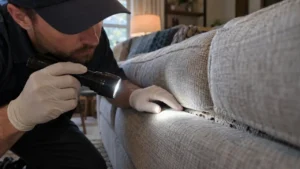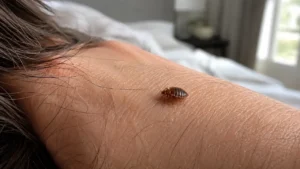
If you have ever woken up with itchy bites and no idea where they came from, you already know how unsettling bed bugs can be. Once you confirm what you are dealing with, the next question is usually the same one everyone asks us: what scents keep bed bugs away? We have treated enough homes to know exactly which smells work, which ones are overhyped, and how to use them the right way.
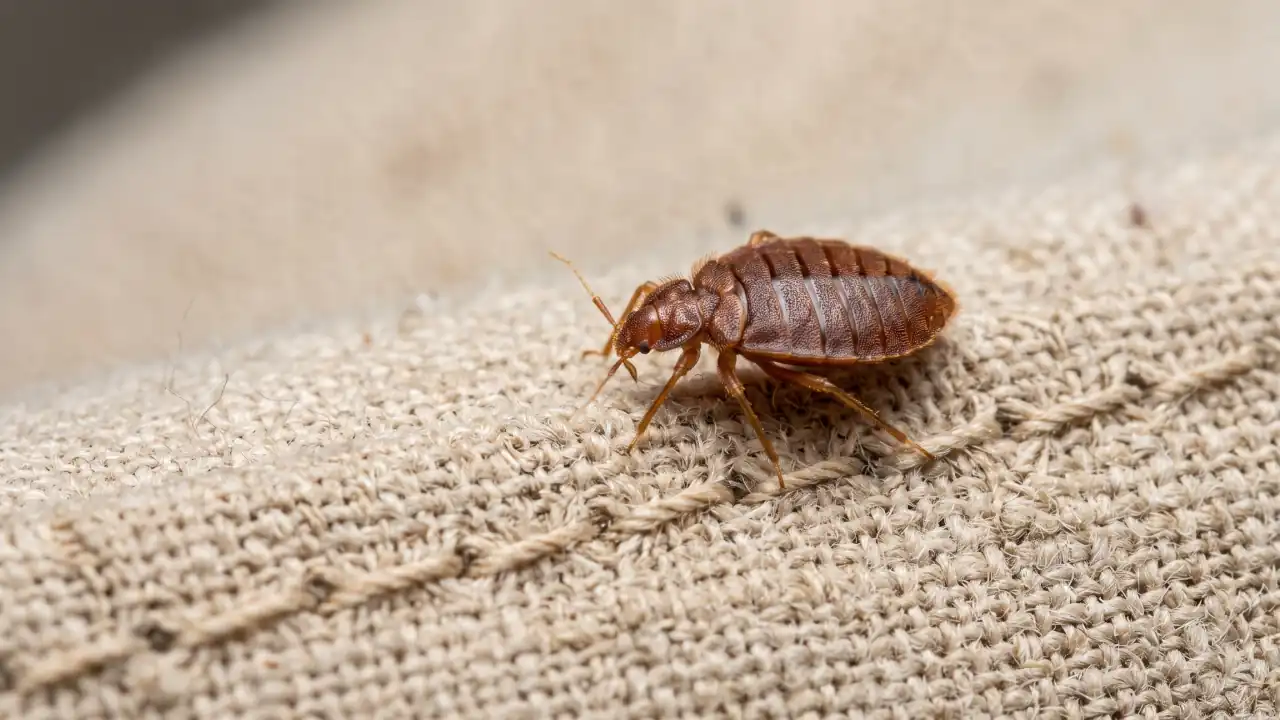
One pattern we see repeatedly is homeowners relying on scented sprays alone while bed bugs continue hiding behind headboards, inside box springs, and under carpet edges. Their tiny size is one reason they’re so difficult to spot in the early stages. Because they’re so small, many infestations go unnoticed until bites or other signs begin appearing. Seeing how big bed bugs actually are makes it much easier to know what you’re looking for. By the time we inspect the room, the bugs have often simply shifted to untreated hiding spots rather than leaving the home.
Also Read: How Long Do Bed Bugs Live in a Plastic Bag? Answered
Quick Answer
The scents most commonly used to repel bed bugs include peppermint, cinnamon, tea tree, lavender, neem, spearmint, blood orange, and fresh citrus. While some essential oil compounds have shown insecticidal activity in laboratory research, no scent alone will eliminate an established infestation. Natural repellents work best as part of a broader bed bug control plan.
Many homeowners prefer natural bed bug repellents because they’re easy to use and readily available, but they work best as part of a broader treatment strategy rather than a standalone solution.
What Scents Keep Bed Bugs Away
Bed bugs breathe through tiny openings called spiracles, but the main reason certain scents may repel them is that volatile compounds can interfere with their normal behavior or make treated areas less attractive. Researchers believe some plant compounds also affect their nervous system when bugs come into direct contact with them.
Bed bugs rely primarily on body heat and carbon dioxide to locate a sleeping host, which is one reason scent-based repellents work best as a supporting tool rather than a complete solution.
Before we get into the list, we need to set expectations properly, because this is where a lot of homeowners get stuck. Scents can slow bed bugs down. They can make a mattress or a suitcase less appealing. Some can even kill a bug on direct contact. What they cannot do is wipe out an established infestation on their own.
Research also suggests that certain essential oil compounds can be toxic to bed bugs under laboratory conditions, although effectiveness depends heavily on direct contact and concentration. A Purdue University summary of research published in Scientific Reports explains why some plant-derived compounds show promise while also highlighting that they are not a substitute for complete bed bug control in real homes.
Bed bugs hide deep in seams, behind baseboards, inside electrical outlets, and in cracks and crevices that are difficult to reach with a spray bottle. They may also hide inside nearby electronics, books, and other belongings, making treatment more complicated than simply spraying visible surfaces. If you’re not sure where to inspect first, learning what bed bug nests (harborages) look like can make it much easier to find the places they prefer to hide. A scent that never touches the bug or its eggs will not solve the problem.
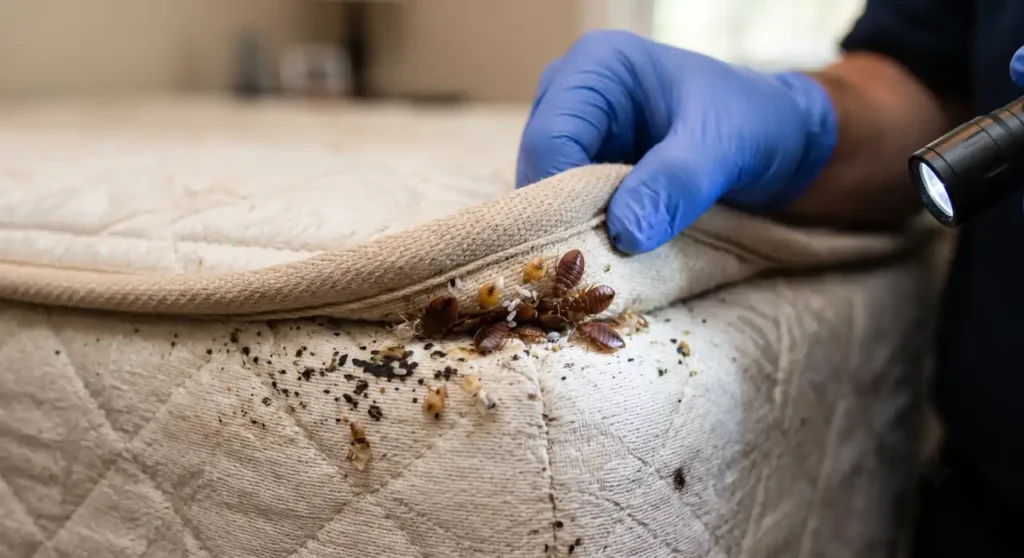
Think of these 11 options as a smart supporting tool, not a replacement for a real treatment plan. Even if adult bed bugs are repelled from one area, eggs hidden in protected locations can hatch days later, allowing the infestation to continue. Newly hatched baby bed bugs are much harder to notice than adults, which is one reason infestations often continue even after homeowners think they’ve solved the problem.
In many homes, that allows the infestation to expand into nearby rooms much faster than many homeowners expect. If you’re wondering how fast that can happen, our guide on how fast bed bugs spread explains the timeline and what to expect.
Peppermint
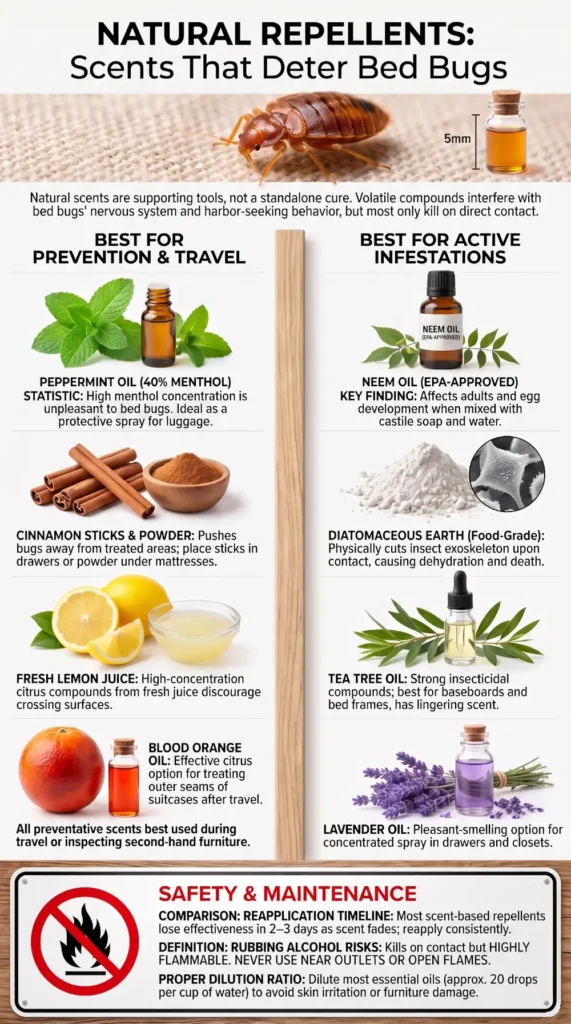
Peppermint oil is one of the most commonly recommended scents for bed bugs, and there is a real reason it works. It contains a high concentration of menthol, somewhere around 40 percent, and that compound is genuinely unpleasant to bed bugs. Some pest professionals have also seen it act as a mild contact killer in small doses, though you should never count on that as your main line of defense.
You do not want to apply peppermint oil directly to your skin or furniture at full strength, since it can cause irritation. Instead, mix around 20 drops of peppermint essential oil into a spray bottle filled with roughly one cup of distilled water, then shake it well before each use. Spray it along mattress seams, bed frames, baseboards, and closet corners where you have spotted activity. Keep it away from pets and small children, and always do a small patch test on fabric before spraying anything you care about.
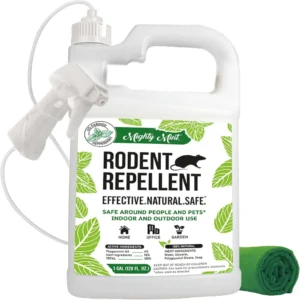
Prefer a ready-made option? If you’d rather skip mixing your own solution, a pre-made peppermint spray like Mighty Mint offers a convenient way to apply peppermint around bed frames, baseboards, luggage, and other areas. Like any scent-based repellent, it works best as part of a broader bed bug control plan rather than a standalone treatment.
Cinnamon
Cinnamon smells like something out of your grandmother’s kitchen, but bed bugs want nothing to do with it. You can use it in powder form, as sticks, or as an essential oil, and all three will do roughly the same job of pushing bed bugs away from treated areas.
Powder is the easiest option for most people. Sprinkle a thin layer under the mattress, inside dresser drawers, or along the edges of your closet floor. If the mess bothers you, cinnamon sticks work almost as well and look a lot tidier, though you will need to swap them out once the scent fades, usually within a week or two.
For a stronger approach, mix one part cinnamon essential oil with ten parts distilled water in a spray bottle and apply it to infested areas. This solution can kill some bugs on contact, but like every other scent on this list, it will not touch eggs hidden deep in cracks or reach an infestation that has already spread through the room. Cinnamon is generally less hazardous than many synthetic pesticides when used carefully, but essential oils and large amounts of cinnamon powder can still irritate the skin, eyes, or airways of both people and pets. Keep treated areas out of reach until they are dry.
Tea Tree Oil
Tea tree oil has a strong reputation in the natural pest control world, and it earns some of that reputation. Beyond the scent bed bugs dislike, tea tree oil contains compounds that have shown insecticidal activity in some laboratory studies, but results in real homes are far less consistent because bed bugs often remain hidden where sprays never reach.
That said, we want to be upfront about the downsides. Tea tree oil is not the gentlest option for households with pets or young kids, and undiluted application can cause skin reactions in sensitive people. The smell also lingers far longer than peppermint or cinnamon, so think twice before spraying it directly on your pillow or bedding.
To use it safely, dilute about 20 drops of tea tree oil in a spray bottle of water and mist it around bed frames, baseboards, and cracks where bugs are hiding. Never spray it undiluted on fabric or skin. If anyone in your home has known allergies to tea tree, skip this one and move to a gentler option instead.
Lavender Oil
Lavender shows up in candles, lotions, and cleaning sprays because people love how it smells, but bed bugs do not share that opinion. It is also one of the more pleasant options on this list if you are worried about your bedroom smelling like a chemistry lab after treatment.
A lavender diffuser can help distribute the scent through a room, but in our experience it is only mildly effective on its own since the concentration in the air is usually too low to bother bed bugs hiding in tight spaces. A stronger spray tends to work better. Mix about 20–30 drops of lavender essential oil into one cup of distilled water, then apply it directly to drawers, closets, and bed frames.
Just like tea tree oil, lavender can be irritating to some people and pets in concentrated form, so keep it diluted and avoid spraying it directly where children sleep.
Neem Oil
Neem oil comes from the seeds of the neem tree and has been used in traditional medicine for centuries because of its antibacterial and pest repelling properties. It is approved by the EPA as a biopesticide, which puts it a step above most of the other natural oils people try at home.
What makes neem oil interesting is that laboratory studies suggest neem products may affect both adult bed bugs and egg development, although they are still unlikely to eliminate an established infestation without additional treatment. Bed bugs also appear to dislike the smell of neem, making it a useful supporting tool while you put a more complete treatment plan in place.
To mix your own spray, combine one teaspoon of cold pressed neem oil with a quarter teaspoon of liquid castile soap, then add about a quart of warm water. The soap matters here because neem oil will not blend with water on its own, and skipping it means your spray will separate and stop working properly. Shake well before every use and apply directly to infested spots. If the scent has faded enough that you can barely notice it, it’s probably time to reapply, since volatile compounds dissipate fairly quickly indoors.
Lemon Juice
Lemon juice has a fresh citrus scent that some homeowners use in an effort to discourage bed bugs, although research supporting its effectiveness is limited compared with certain essential oils.
The key word here is fresh. Bottled lemon juice from the grocery store has a much lower concentration of the compounds that actually matter, so squeeze real lemons if you want any results. Mix the juice with water in a spray bottle and apply it to bed frames, baseboards, and any spot where you have noticed activity.
If you want a stronger effect, add a small amount of rubbing alcohol to your lemon juice solution. The combination increases the mix’s ability to affect bed bugs on contact, though we will get into the specifics of rubbing alcohol as its own remedy next.
Rubbing Alcohol
Rubbing alcohol has a smell bed bugs actively avoid, and it can kill some bed bugs on direct contact, but its overall effectiveness is limited because it evaporates quickly and rarely reaches hidden insects or eggs. That makes it more aggressive than most items on this list, but it comes with real safety concerns you need to take seriously.
First, rubbing alcohol is highly flammable. Spraying it liberally around a bedroom, especially near outlets, lamps, or space heaters, is not something we recommend. Second, it only kills bed bugs it actually touches, so misting a room and hoping for the best will leave most of the population untouched and free to keep reproducing. Third, alcohol can damage fabric, wood finishes, and painted surfaces if you overuse it.
If you decide to try it, apply it sparingly and directly to visible bugs or known hiding spots, and never near open flames or heat sources. Treat it as a spot treatment rather than a whole-room fogging solution, and never rely on it as your only method of control if the infestation has already spread. The same limitation applies to many common household products. For example, many people ask whether Lysol works against bed bugs, but its effectiveness is much more limited than most expect.
Safety Tip: Never mix essential oils or rubbing alcohol with bleach or other household cleaners. Some combinations can create dangerous fumes or damage surfaces.
Pepper Powder
Cayenne pepper, not black pepper, is the version most commonly recommended for bed bug control. The capsaicin in cayenne pepper may discourage bed bugs from crossing treated areas, although evidence that it affects eggs is limited.
The catch is that pepper powder is messy and can be genuinely irritating to breathe in or get in your eyes, especially if you are sprinkling it around a mattress you sleep on every night. It is also not something you want kids or pets anywhere near. Because of these downsides, we usually point clients toward gentler natural options first and save pepper powder for situations where nothing milder has worked.
If you go this route, sprinkle a thin layer along baseboards, mattress seams, and closet corners, then vacuum it up thoroughly once you no longer see activity in that spot.
Diatomaceous Earth
Diatomaceous earth is not technically a scent, but it earns its spot on nearly every list like this one because of how it works alongside these other remedies. It is made from the fossilized remains of tiny aquatic organisms called diatoms, ground into a fine powder with microscopically sharp edges.
Rather than repelling bed bugs through smell, diatomaceous earth works by cutting into their exoskeleton on contact.
This damages their protective outer layer and eventually causes them to dehydrate and die. It works against bed bugs that crawl through it, regardless of life stage after hatching, although it does not penetrate or destroy eggs. A light dusting behind the headboard or under a dresser will not help if bed bugs are not actually traveling through that spot.
Quick Tip: Only use food-grade diatomaceous earth labeled for indoor pest control, and avoid creating airborne dust since inhaling fine particles may irritate your lungs. A heavy application does not work any better and makes cleanup much harder. Sweep up what you can before vacuuming, since the fine powder can clog a vacuum’s filter and reduce suction over time.
Spearmint Oil
Spearmint oil works on the same basic principle as peppermint, since both contain menthol, but spearmint has a much lower concentration, usually around one percent compared to peppermint’s 40 percent. That makes it a gentler option with a lighter effect.
You can use spearmint oil exactly the way you would use peppermint. Mix around 20 drops into a cup of distilled water and spray it along seams, frames, and baseboards. It will not be as potent as peppermint, but bed bugs may still be repelled by the scent, and it is a good choice for households that find peppermint too strong or overwhelming.
Blood Orange Oil
Blood orange oil tends to fly under the radar compared to peppermint or cinnamon, but it is actually one of the more effective citrus-based options available. Like other citrus oils, it needs to make direct contact with a bed bug to have any real impact, which means spot treatment is more effective than a general room spray.
Mix blood orange essential oil with distilled water in a spray bottle and mist areas where you suspect bed bugs are hiding, including mattress seams, cracks in furniture, and baseboards. Because it works best on contact, plan on reapplying it regularly in spots with confirmed activity rather than treating it as a one-time fix.
Which Scent Should You Start With
If you’re wondering how to repel bed bugs naturally, the best scent depends on whether you’re trying to prevent bed bugs or deal with an active infestation. Here’s where we’d start.
Best for Prevention
If you have kids or pets at home, start with cinnamon or lemon juice. If you’re mainly trying to protect luggage while traveling, peppermint or blood orange oil are often easier to reapply than powders like cinnamon or diatomaceous earth. Both are gentle, easy to find, and unlikely to cause irritation if someone brushes against a treated surface. If you want something with a bit more punch and do not mind a stronger scent, peppermint is usually the next step up, since the menthol content genuinely bothers bed bugs and most people tolerate the smell well.
If you’re using scents as a travel precaution, peppermint or blood orange oil are easy to reapply around suitcases and travel bags and the outer seams of a suitcase after returning home. Just remember that scented sprays should never replace inspecting hotel mattresses, headboards, and luggage for signs of bed bugs before unpacking.
The same approach can be helpful when bringing home second-hand furniture. While a light spray may discourage exposed bed bugs, always inspect seams, joints, and hidden spaces carefully before moving used furniture into your home.
Used wooden furniture is one of the easiest ways to bring bed bugs indoors. Before carrying anything inside, it’s worth learning the warning signs of bed bugs living in wood furniture and the places they hide most often.
Best for Active Infestations
If you are dealing with a confirmed infestation rather than just prevention, neem oil and diatomaceous earth deserve more of your attention, since both can affect eggs and adults rather than just pushing bugs toward a different hiding spot. Rubbing alcohol can work as a targeted spot treatment for bugs you can see directly, but keep the flammability risk in mind and never treat it as a room-wide solution.
Tea tree, lavender, spearmint, and blood orange oil are all solid supporting options, but we would not lead with them unless the gentler choices above are not available to you or you already know you tolerate their scent well.
Whatever you choose, consistency matters more than which specific oil you pick. A spray applied once and forgotten about will not do much. Reapplying every few days in the exact spots where you have seen bugs is what makes any of these methods worth the effort. In homes we’ve inspected, the people who saw the best results with natural repellents were the ones who paired them with thorough vacuuming, mattress encasements, careful inspections, and regular monitoring instead of relying on scent alone.
Pros and Cons of Using Scents for Bed Bugs
When to Go to Urgent Care Right Away
What Not to Do After a Squirrel Bite
Our experience: If you’re dealing with more than a few bed bugs, use scents as a supporting tool—not your only treatment method.
Also Read: Can Bed Bugs Live in Your Hair? The Shocking Truth
When Natural Repellents Are Not Enough
If you continue finding fresh bites after two to three weeks of consistent treatment, notice bed bugs in multiple rooms, or repeatedly find live bugs after cleaning and spraying, natural repellents are unlikely to solve the problem on their own. At that stage, a professional inspection is usually the quickest way to locate hidden harborages and confirm how widespread the infestation has become. Even after treatment begins, continue monitoring for fresh bites, shed skins, dark fecal stains, and live bed bugs so you can tell whether the infestation is improving or spreading.
Final Thoughts
Every scent on this list can genuinely help slow bed bugs down, and several of them, particularly rubbing alcohol and diatomaceous earth, may kill or injure bed bugs that come into direct contact with them, while neem products have shown promise in laboratory studies. But we have been doing this long enough to tell you honestly that scent alone rarely solves a real infestation.
Bed bugs are experts at hiding in places sprays and powders never reach, and a female can lay several eggs a day even while you are treating the areas you can see.
They can also survive for surprisingly long periods without feeding, which is why simply leaving an infested room unused rarely solves the problem.
Our honest advice is to pick one or two scents you feel comfortable using, apply them correctly and consistently in the areas where you have seen activity, and treat them as a support tool rather than a cure. If bites keep showing up, if you are finding shed skins or small rust colored stains on your sheets, or if the infestation has spread beyond a single room, it is time to bring in a professional who can inspect the whole space and treat it properly.
Scents can buy you time and comfort. When they’re used realistically—as one part of a larger treatment strategy—they can make an infestation easier to manage while you work toward complete elimination. A proper inspection and treatment plan is what actually gets rid of bed bugs for good.